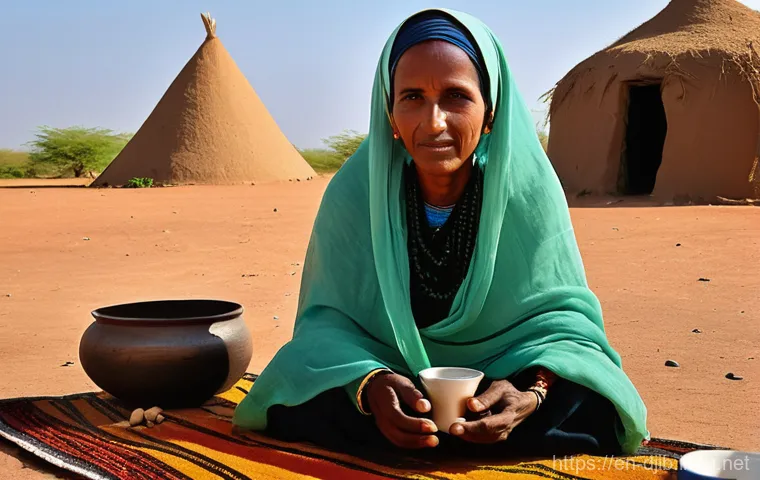
If you’ve ever dreamt of stepping into a place where ancient traditions beautifully intertwine with a vibrant, modern pulse, then let me tell you, Djibouti is calling your name!
This tiny nation, strategically perched at the crossroads of Africa and the Arabian Peninsula, truly is a gem, offering a cultural mosaic unlike anywhere else on Earth.
It’s a land where history whispers from every sun-baked plain and the Red Sea breeze carries tales of centuries-old trade routes. But what truly makes Djibouti special, in my experience, is the incredible tapestry woven by its people, a fascinating blend of diverse ethnic groups, each with their own rich heritage and stories.
When you dive into the heart of Djiboutian society, you’ll quickly discover the deep-rooted presence of two dominant communities: the resilient Afar and the spirited Issa Somalis.
These groups, while sharing a common Islamic faith and a long history of nomadic pastoralism, boast distinct languages, customs, and social structures that truly enrich the national identity.
Imagine centuries of oral traditions, intricate music, and vibrant dances passed down through generations, shaping not just individual families but the very soul of the country.
It’s truly incredible to see how these ancient ways are navigating the fast-paced changes of the 21st century, with growing urbanization bringing new dynamics while maintaining strong ties to their ancestral roots.
Understanding these communities isn’t just about learning facts; it’s about appreciating a living, breathing culture that continues to evolve. So, are you ready to uncover the unique stories and cultural wonders that make Djibouti so captivating?
Let’s definitely explore this in more detail right below!
Unpacking the Rich Tapestry of Djiboutian Identity
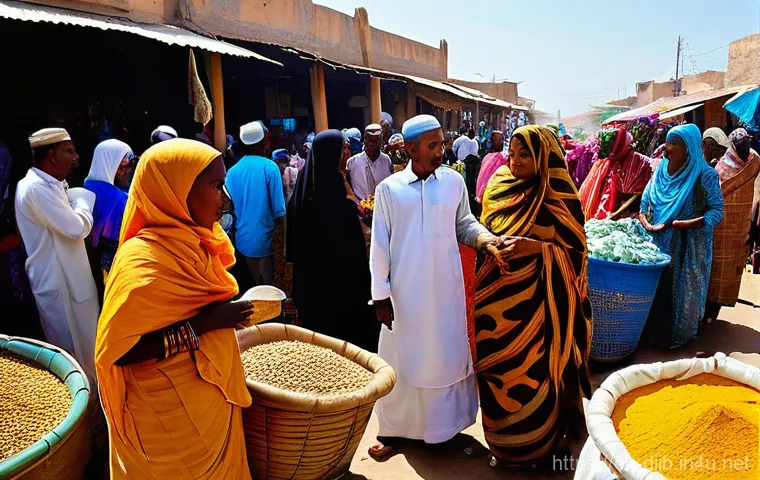
When you first arrive in Djibouti, you can’t help but feel the palpable energy stemming from its diverse communities. It’s truly an experience like no other, watching how the Afar and Issa Somalis, with their distinct historical narratives and traditions, create a vibrant and deeply authentic cultural mosaic.
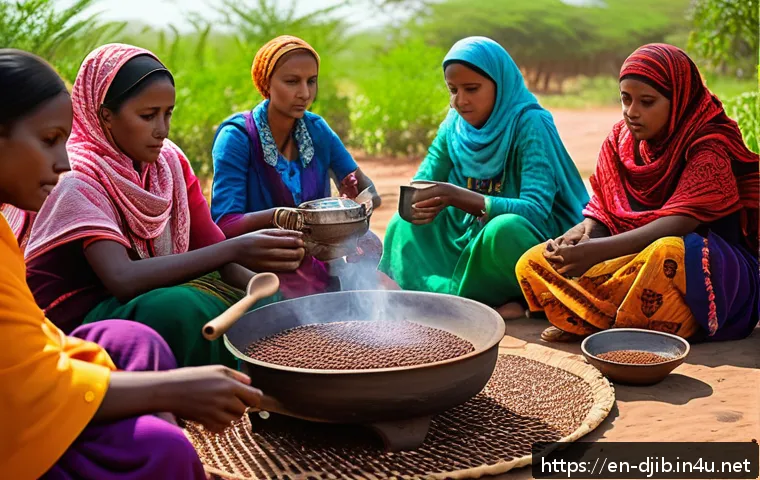
I remember my first time witnessing a traditional Afar coffee ceremony; the intricate rituals, the smoky aroma, and the heartfelt conversations that flowed felt like stepping back in time, yet it was happening right in front of me, in a bustling neighborhood.
Both groups share a deep pride in their heritage, which is reflected in everything from their graceful dances to their captivating oral histories. While they might have different linguistic roots and specific cultural nuances, there’s an underlying thread of resilience and hospitality that binds them together.
This shared spirit, forged over centuries in the challenging yet beautiful Djiboutian landscape, is something you truly feel when you interact with the locals.
It’s not just about understanding their differences, but appreciating how these distinct identities contribute to a stronger, more vibrant national character.
Echoes of Ancestry: The Afar and Issa Heritage
Walking through the streets of Djibouti City, you’ll quickly notice the distinctive presence of the Afar and Issa communities. From my perspective, these aren’t just ethnic groups; they are the very soul of the nation, each bringing centuries of nomadic wisdom and cultural depth.
The Afar, often associated with the harsh but stunning Danakil Depression, have a history deeply intertwined with pastoralism and trade routes connecting the highlands to the coast.
Their traditions, from their distinct tribal structures to their resilient spirit, have been honed by generations of navigating challenging environments.
Similarly, the Issa Somalis, with their strong links to wider Somali culture, bring a different flavor, often characterized by their strong sense of community and rich poetic traditions.
What struck me most was how, despite their differences, both groups uphold a profound respect for elders and a deep commitment to family. It’s this deep-seated reverence for heritage that ensures their unique customs continue to thrive, even as modern life brings new influences.
Living Traditions: Language, Lore, and Lifestyles
The languages spoken here, Afar and Somali, aren’t just tools for communication; they are living repositories of history, poetry, and intricate storytelling.
I’ve always been fascinated by how oral traditions play such a crucial role in societies like Djibouti. It’s not uncommon to hear elders recounting epic tales or reciting proverbs that have been passed down for generations, often with a cadence and passion that’s truly captivating.
You don’t just hear the words; you feel the history. Their lifestyles, traditionally nomadic or semi-nomadic, are slowly shifting with urbanization, but the core values remain strong.
Many still maintain ties to their ancestral lands and practices, often moving between city life and rural areas to tend to livestock or visit family. This blend of ancient practices with modern convenience creates a unique way of life that constantly evolves, making every interaction a chance to learn something new about their enduring culture.
Savoring the Soul of Djibouti: Culinary Journeys and Warm Hospitality
Oh, if there’s one thing that truly connects people, it’s food, and Djibouti’s culinary scene is an absolute delight! My taste buds still tingle remembering the rich, aromatic flavors I discovered there.
It’s more than just sustenance; it’s an integral part of their culture, a genuine expression of generosity and community. Sitting down for a meal in Djibouti is often a communal affair, where dishes are shared, stories are exchanged, and new friendships are forged over steaming plates of *skudahkaris* or fragrant *lahoh*.
The influences are fascinating – a beautiful blend of East African, Yemeni, and even some French notes, reflecting Djibouti’s strategic location and colonial history.
Every dish feels like it tells a story of trade routes and cultural exchanges. I quickly learned that refusing food or drink is considered impolite, so be prepared to indulge!
And honestly, why would you want to refuse? Each meal felt like a warm embrace from the people, a true testament to their open-hearted nature.
A Feast for the Senses: Signature Dishes and Spices
When I think about Djiboutian cuisine, I picture vibrant colors and bold spices. Dishes like *fah-fah*, a hearty goat stew, or *mukbaza*, a fish dish baked in a bread crust, aren’t just meals; they’re experiences.
What makes them so special, I think, is the use of fresh, local ingredients combined with a sophisticated blend of spices like cardamom, turmeric, and cumin.
It’s not just about heat; it’s about depth and aroma that creates something truly unique. And let’s not forget the tea! Strong, sweet, and often spiced with ginger or cloves, it’s a constant companion throughout the day.
I particularly loved how each family seemed to have their own subtle variations on common dishes, often passed down through generations, making every home-cooked meal a uniquely personal experience.
These aren’t just recipes; they’re culinary legacies.
The Art of Welcoming: Coffee Ceremonies and Social Rituals
The hospitality in Djibouti is truly something to write home about. From the moment I arrived, I was struck by the genuine warmth and generosity of the people.
And if there’s one ritual that encapsulates this spirit, it’s the coffee ceremony. It’s a slow, deliberate process, often involving roasting the beans right in front of you, grinding them, and then brewing the coffee with immense care.
It’s an invitation to slow down, to converse, and to simply be present. These ceremonies are not just about drinking coffee; they are social events, spaces for community bonding, storytelling, and catching up on life.
I found myself lingering for hours, completely captivated by the conversations and the sense of connection. It’s a beautiful reminder that in a fast-paced world, there’s still immense value in taking the time to share a simple, meaningful ritual with others.
Navigating the Modern World: Education, Economy, and Evolving Lifestyles
Djibouti, while deeply rooted in its traditions, is also a nation actively embracing the future, and you can really feel that energy, especially in its urban centers.
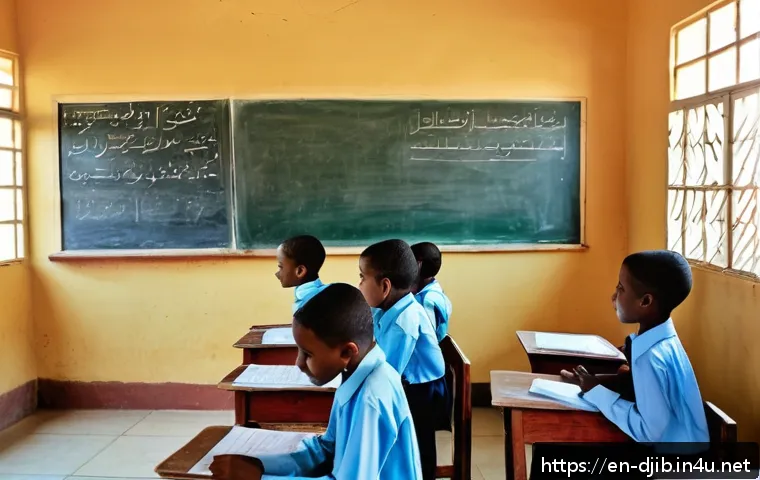
It’s fascinating to observe the blend of ancient customs with the demands of a rapidly globalizing world. The educational system, for example, is a testament to this, striving to provide opportunities for its youth while also respecting cultural values.
I’ve noticed a keen awareness among young Djiboutians of both their heritage and the possibilities that come with a modern education. The economy, heavily reliant on its strategic port, is also a dynamic force, creating new jobs and drawing in international investment.
This economic growth, while undeniably beneficial, also brings its own set of challenges, particularly in balancing development with preserving the unique cultural identity that makes Djibouti so special.
It’s a delicate dance, but one that the Djiboutian people navigate with impressive adaptability and foresight, always with an eye toward a prosperous future for their children.
Bridging Worlds: Urbanization and Community Dynamics
One of the most striking changes I’ve observed is the impact of urbanization. Djibouti City is a bustling hub, attracting people from across the country seeking economic opportunities and better access to services.
This migration from traditional rural, nomadic lifestyles to urban living creates a fascinating mix of cultures within the city. You see individuals who grew up herding camels now working in modern businesses, yet they still maintain strong ties to their rural families and ancestral traditions.
This isn’t just a simple shift; it’s a complex redefinition of community, where people are finding new ways to uphold their cultural identity in a metropolitan setting.
It highlights the incredible adaptability of the Djiboutian people, who seamlessly blend their rich past with the demands of the present, creating a vibrant, evolving urban landscape that is uniquely their own.
Economic Currents: Port, Trade, and Entrepreneurship
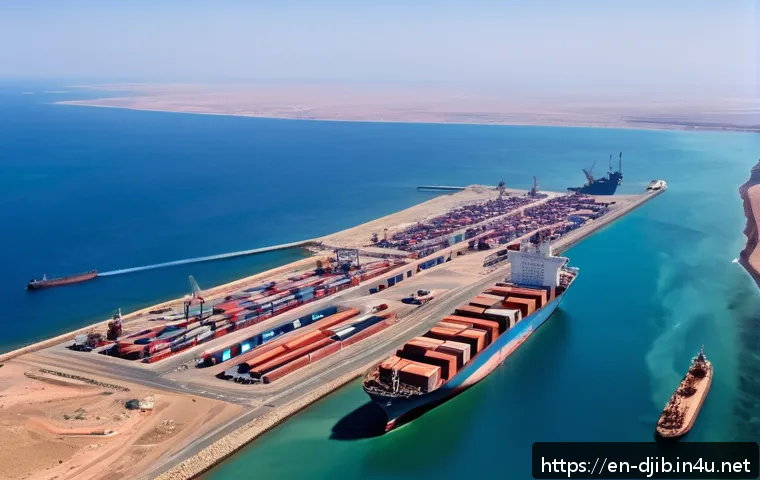
The Port of Djibouti is, without a doubt, the economic lifeblood of the nation, and truly a marvel to witness. It’s not just a port; it’s a strategic gateway to East Africa, facilitating trade for landlocked neighbors like Ethiopia.
My visit to the port gave me a real sense of its immense scale and importance, seeing ships from all corners of the globe. This constant flow of goods and people creates a dynamic environment, fueling local businesses and fostering a burgeoning entrepreneurial spirit.
From small family-run shops in the local markets to larger enterprises supporting logistics and services, Djiboutians are actively engaged in building their economy.
This economic activity isn’t just about financial gain; it’s also about creating opportunities, fostering innovation, and strengthening the nation’s position on the global stage, all while maintaining their distinct cultural flavor.
Understanding Core Djiboutian Social Structures
When you spend time truly observing life in Djibouti, you can’t help but notice the deeply ingrained social structures that guide daily interactions and community life.
It’s an intricate web of kinship, clan affiliations, and religious practices that shapes how people relate to one another and how society functions as a whole.
I personally found it incredibly valuable to understand these underlying currents, as it helped me appreciate the nuanced layers of their culture. Family, of course, is paramount, often extending far beyond the nuclear unit to include wider clans, and there’s a strong sense of collective responsibility that permeates these relationships.
This isn’t just abstract; it’s something you feel in the way people support each other, celebrate together, and even navigate disputes. It’s a testament to a society built on strong foundational bonds and a shared sense of belonging, which I find incredibly admirable.
The Pillar of Faith: Islam in Djiboutian Daily Life
Islam is not just a religion in Djibouti; it’s an all-encompassing way of life, profoundly influencing every aspect of society. From the beautiful calls to prayer that echo through the city five times a day to the rhythms of the Islamic calendar dictating holidays and festivals, faith truly underpins the social fabric.
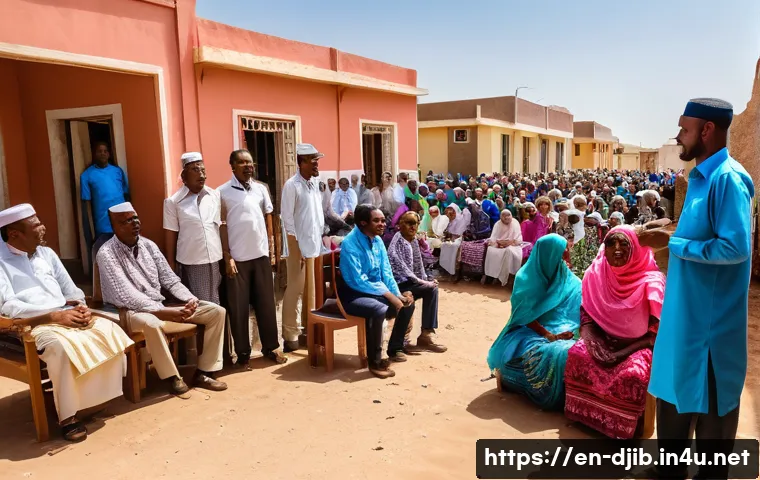
I was deeply moved by the sincere devotion I witnessed, and how it fosters a strong sense of community and shared values. It’s common to see people gathering at mosques, not just for prayer, but also for social connection and learning.
This isn’t about strict adherence to dogma; it’s about a spiritual grounding that provides comfort, guidance, and a moral compass for everyday living.
It felt like a constant, gentle reminder of interconnectedness and purpose, weaving through the daily lives of everyone I encountered.
Beyond Family: Clan Systems and Community Support
While family is the nucleus, the traditional clan system plays a significant role in Djiboutian society, particularly within the Afar and Issa communities.
From my observations, these clan affiliations offer a vital network of support, protection, and shared identity that extends far beyond immediate relatives.
They often serve as important social safety nets, providing assistance in times of need, mediating disputes, and ensuring that community members are looked after.
It’s not about exclusion, but rather about a well-defined structure that offers a strong sense of belonging and mutual responsibility. This intricate system, while ancient, still holds considerable sway, influencing social interactions and political dynamics, and truly highlights the enduring strength of collective identity in Djibouti.
Festivities and Expressions: Arts, Music, and Celebrations
If you want to truly feel the pulse of Djibouti, dive into its celebrations! The joy, the color, the rhythmic beats – it’s absolutely infectious. I’ve always believed that a nation’s spirit is most vividly expressed in its arts and festivities, and Djibouti is no exception.
From traditional music that tells ancient stories to vibrant dances that celebrate milestones, every artistic expression feels deeply connected to the people’s heritage.
Witnessing a local wedding or a national holiday celebration is an experience that stays with you. The intricate patterns of the traditional dresses, the lively drumming, and the communal singing create an atmosphere of pure, unadulterated happiness.
It’s a testament to a culture that knows how to celebrate life, resilience, and the enduring bonds of community, often against the backdrop of a truly stunning natural landscape.
Rhythmic Echoes: Traditional Music and Dance
The sounds of Djibouti are incredibly rich and diverse, mirroring the nation’s cultural blend. I absolutely adore the traditional music, which often features instruments like the *oud*, various drums, and the haunting melodies of the *masenqo*.
The rhythms are often complex and energetic, perfectly accompanying the vibrant traditional dances that are an integral part of any celebration. These dances aren’t just entertainment; they’re storytelling, historical records, and expressions of communal joy.
Watching the intricate footwork and graceful movements, sometimes accompanied by poetic recitations, truly gives you a window into the soul of the people.
It’s a living, breathing art form that continues to evolve, yet always remains deeply connected to its ancient roots, a dynamic reflection of Djiboutian identity.
A Canvas of Culture: Artisanal Crafts and Dress
The artistic expressions in Djibouti extend beyond music and dance into tangible crafts that are both beautiful and functional. I always make sure to seek out local markets when I travel, and in Djibouti, I was captivated by the intricate baskets woven from palm fronds, often dyed with natural pigments, and the stunning silver jewelry.
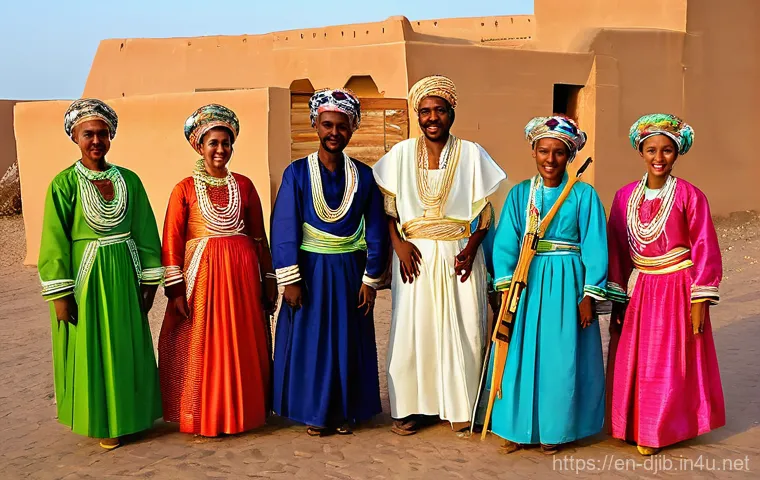
These aren’t just souvenirs; they are pieces of heritage, crafted with skills passed down through generations. And the traditional attire! The vibrant colors and elegant drapes of the *dirac* for women and the flowing *macawis* for men are not just clothing; they are statements of identity and cultural pride.
It’s inspiring to see how these artisanal traditions continue to thrive, preserving ancient techniques while also adapting to modern tastes, creating a truly unique visual language for the Djiboutian people.
Djibouti’s Cultural Mosaic: A Snapshot
Here’s a quick overview of some key cultural aspects you might encounter, based on my experiences, highlighting the interplay between the Afar and Issa communities:
| Aspect | Afar Traditions | Issa Somali Traditions |
|---|---|---|
| Primary Language | Afar (Cushitic) | Somali (Cushitic) |
| Traditional Livelihood | Nomadic pastoralism (camels, goats) and trade | Nomadic pastoralism (camels, goats) and trade |
| Key Social Unit | Clans and tribal structures, strong patriarchal lines | Reer (extended family/clan), strong emphasis on lineage |
| Culinary Staples | Often features goat meat, various stews, flatbreads | Similar to Afar, with strong influences from wider Somali cuisine (e.g., pasta, rice) |
| Traditional Dress | Men: *futah* (loincloth); Women: colorful wraps and headscarves | Men: *macawis*; Women: *dirac* (long, flowing dress) and headscarves |
| Hospitality Rituals | Elaborate coffee ceremonies, sharing meals, welcoming visitors | Emphasis on tea and coffee, communal meals, strong guest protocols |
Wrapping Things Up
It’s truly incredible how a place like Djibouti, often overlooked, holds such a profound depth of culture, resilience, and genuine warmth. My journey through its vibrant communities, from the ancient customs of the Afar and Issa to the bustling energy of its modern port, has left an indelible mark on my heart.
What I truly hope you take away from this is not just information, but a sense of the incredible human spirit that thrives here, a spirit that embraces both tradition and progress with open arms.
It’s a reminder that every corner of our world has a unique story waiting to be discovered, and sometimes, the most unassuming places offer the richest experiences.
Useful Information to Know
1. Currency and Tipping: The local currency is the Djiboutian Franc (DJF). While tipping isn’t as prevalent as in some Western countries, a small gratuity for good service in restaurants or for guides is always appreciated and a kind gesture. It’s a good idea to carry smaller denominations for everyday purchases and to facilitate tipping. Don’t be afraid to politely haggle a bit in the local markets; it’s part of the experience and expected.
2. Language Basics: While Arabic and French are official languages, learning a few phrases in Afar or Somali will go a long way in showing respect and connecting with locals. Simple greetings like “Assalamu Alaikum” (peace be upon you) are always a wonderful icebreaker, and “Mahadsanid” (thank you in Somali) or “Issingaleh” (thank you in Afar) will earn you smiles. People here genuinely appreciate the effort, even if your pronunciation isn’t perfect.
3. Dress Code: Djibouti is a predominantly Muslim country, so dressing modestly is a sign of respect, especially for women. Loose-fitting clothing that covers shoulders and knees is advisable. For men, shorts are generally acceptable in urban areas, but long pants are preferred in more conservative settings or when visiting religious sites. I always felt more comfortable and respectful when I adhered to these simple guidelines, and it really helped me blend in.
4. Hydration is Key: Djibouti’s climate can be intensely hot, especially outside the cooler months. Staying hydrated is absolutely crucial! Always carry plenty of bottled water, and don’t hesitate to ask for water or tea when visiting homes or establishments. Dehydration can quickly spoil an otherwise amazing day of exploration, so make it a priority. I learned this the hard way on my first scorching afternoon!
5. Respect Local Customs: Hospitality is deeply ingrained in Djiboutian culture. When offered coffee, tea, or food, it’s polite to accept, even if just a small amount. Always use your right hand when shaking hands, eating, or passing items, as the left hand is traditionally considered unclean. Being mindful of these small but significant customs shows genuine appreciation for their culture and opens doors to warmer interactions.
Key Takeaways
My time immersing myself in Djibouti’s rich cultural tapestry truly emphasized a few core truths that I believe are vital for anyone looking to connect with this incredible nation.
First, the blend of the Afar and Issa identities isn’t just a demographic fact; it’s a dynamic, living force that shapes everything from daily greetings to national celebrations.
You can feel the historical pride and the spirit of coexistence that truly makes Djibouti unique. Second, hospitality here isn’t just a word; it’s a profound cultural principle, expressed through shared meals, elaborate coffee ceremonies, and an inherent warmth that makes visitors feel genuinely welcome.
And finally, Djibouti, while steeped in ancient traditions, is a forward-looking nation, balancing its heritage with modern aspirations. Understanding these aspects isn’t just about knowledge; it’s about experiencing the heart and soul of a resilient people who are deeply proud of who they are and where they come from.
It’s a journey I wholeheartedly recommend.
Frequently Asked Questions (FAQ) 📖
Q: How do the distinct cultures of the
A: far and Issa Somalis, with their deep historical roots, come together to form Djibouti’s truly unique cultural identity, and what does this blend mean for someone visiting for the first time?
A1: Oh, this is such a fantastic question, and it really gets to the heart of what makes Djibouti so special! From my own travels and the wonderful conversations I’ve had with locals, what’s truly captivating is how the vibrant traditions of the Afar and the spirited heritage of the Issa Somalis beautifully intertwine.
Imagine two strong, ancient rivers flowing into one magnificent ocean; that’s kind of how it feels. Both groups share a deep Islamic faith and centuries of nomadic pastoralism, which forms a common thread.
However, their distinct languages, intricate music, and unique social customs create this incredible cultural mosaic. For a first-time visitor, this means you’re not just seeing one facet of a culture, but a dynamic interplay.
You might hear the distinct, melodic tones of Afar spoken in one market, and then the rhythmic, expressive Somali in another. I’ve personally been mesmerized by the different traditional dances and storytelling styles – each tells a unique part of Djibouti’s story.
It’s truly an experience of harmonious coexistence, where respect for individual traditions is paramount, and it enriches every interaction you have, from sipping a spiced tea with a local elder to haggling for a souvenir.
It feels like stepping into a living history book, and I promise you, it’s absolutely fascinating.
Q: Beyond the prominent ethnic groups, what are some of the fascinating daily customs or lesser-known traditions that truly define Djiboutian culture, and how can a traveler respectfully engage with them to get a truly authentic experience?
A: You’re digging into the good stuff now! While the Afar and Issa contributions are central, the daily rhythm of Djiboutian life holds so many delightful surprises.
One tradition I absolutely adore and have found deeply meaningful is the ubiquitous practice of sharing “khat.” Now, I know what you might be thinking, but here, it’s not just about the plant itself; it’s a profound social ritual.
I’ve often seen groups of men, and sometimes women, gathered, chewing khat, but more importantly, engaging in hours of conversation, sharing news, telling stories, and simply connecting.
It’s less about the stimulant and more about the community bond it fosters. As a traveler, respectfully accepting an invitation to join such a gathering, even just for the conversation, is a huge sign of warmth and acceptance.
Another thing that always catches my eye is the incredible hospitality. If you’re invited for a meal, prepare for a feast and always accept with gratitude – refusing can be seen as impolite.
And the coffee ceremony! Oh my goodness, it’s not just a drink; it’s an elaborate, fragrant ritual that can last for ages, full of storytelling and connection.
Just remember to always dress modestly, especially when visiting religious sites, and offer greetings in Arabic or a local language if you can – even a simple “Salam alaikum” goes a long way.
These small gestures show you appreciate their heritage, and in return, you’ll open doors to truly unforgettable, authentic experiences.
Q: Given Djibouti’s intriguing blend of ancient traditions and its rapid embrace of modern influences, what’s one surprising aspect of its culture that visitors often overlook, and why is it so important to the local way of life?
A: This is a brilliant question because it points to something I’ve personally found incredibly striking: the profound yet often subtle importance of oral tradition and storytelling in everyday life.
In our fast-paced, digitally-driven world, we often forget the power of spoken words. But in Djibouti, it’s a living, breathing art form, a bedrock of their cultural identity.
Visitors might overlook this because it’s not a grand monument or a bustling market; it happens in quiet corners, under a starry sky, or during those communal khat sessions I mentioned.
I’ve listened to elders recount tales of nomadic journeys, ancient battles, and fables filled with wisdom, passed down through generations. These stories aren’t just entertainment; they are history lessons, moral guides, and a way to preserve identity and values in a rapidly modernizing nation.
They teach younger generations about their roots, their ancestors’ resilience, and how to navigate life. For example, I recall an evening where a family was sharing stories about navigating the harsh desert, and it wasn’t just a memory; it was a lesson in resourcefulness and community spirit for the children listening intently.
This oral heritage is crucial because it keeps the soul of Djibouti vibrant, ensuring that even as new skyscrapers rise and technology advances, the heart of their culture, rich with ancestral knowledge and shared experience, continues to beat strong.
It’s a beautiful reminder that true wealth often lies in the stories we share.