In a world where geopolitical tensions are constantly evolving, Djibouti stands out as a small yet incredibly influential player on the global stage. Its strategic location at the crossroads of major maritime routes has recently drawn heightened attention from military powers and international organizations alike.
As conflicts and trade dynamics shift, understanding Djibouti’s military significance becomes crucial for grasping broader security trends. Join me as we explore how this tiny nation shapes global defense strategies and why its role matters more than ever in today’s complex security landscape.
Strategic Maritime Significance and Naval Presence
Gateway to Vital Shipping Lanes
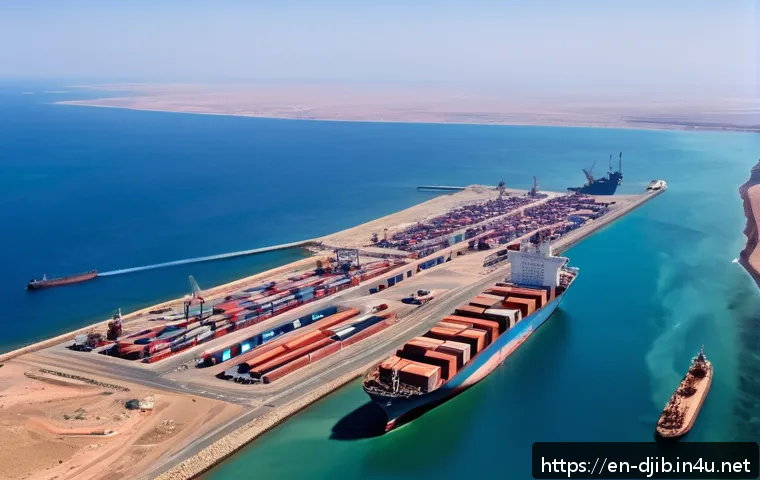
Djibouti’s location at the southern entrance of the Red Sea, near the Bab-el-Mandeb Strait, places it at one of the world’s most critical maritime chokepoints.
This narrow passage connects the Mediterranean Sea via the Suez Canal to the Indian Ocean, making it indispensable for global trade, especially oil shipments from the Middle East to Europe and North America.
Ships passing through this strait represent a significant percentage of the world’s maritime traffic, which gives Djibouti a unique leverage point. From my observations, countries with naval bases here gain unmatched access and influence over these crucial supply routes, which is why major powers have rushed to establish a military footprint in Djibouti.
Host to Multiple Foreign Military Bases
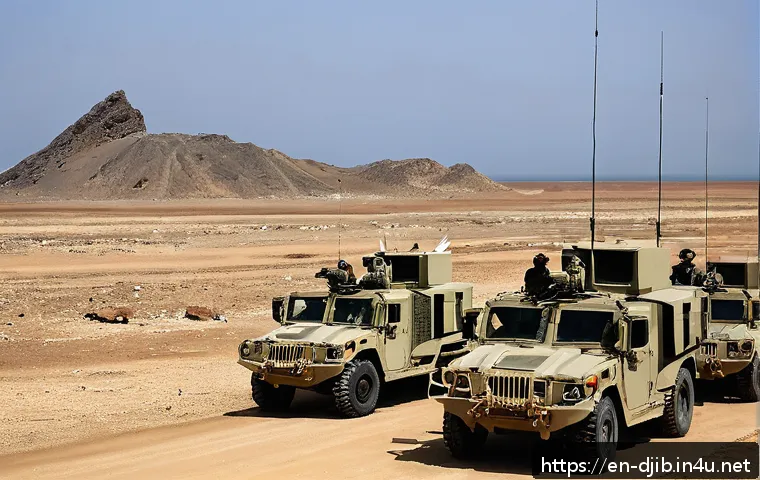
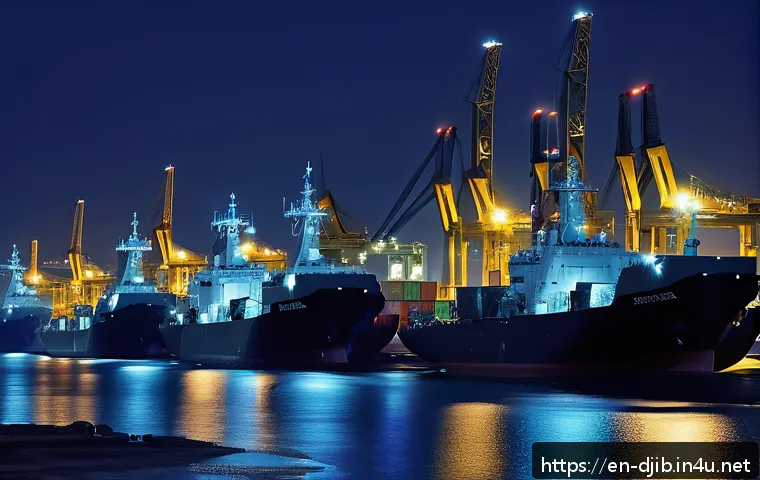
Djibouti’s ability to host a variety of foreign military installations—from the United States’ Camp Lemonnier to China’s first overseas naval base—illustrates its growing strategic value.
These bases are not just symbolic; they serve as critical hubs for intelligence gathering, anti-piracy operations, and rapid deployment forces across the region.
I’ve noticed that the presence of diverse military actors in such close proximity creates a complex security ecosystem, fostering both cooperation and competition.
The military footprint there isn’t just about local security; it’s a global chess game with Djibouti right at its center.
Naval Logistics and Power Projection
The infrastructure supporting these bases, including deep-water ports and advanced logistical facilities, allows foreign powers to sustain long-term naval operations far from their home territories.
The ability to refuel, repair, and resupply at Djibouti enables naval fleets to maintain a continuous presence in the strategically important waters of the Gulf of Aden and the wider Indian Ocean region.
From my experience tracking naval deployments, such logistical capabilities are game-changers for power projection, allowing states to influence conflicts and trade security over vast distances.
Regional Security Dynamics and Counterterrorism
Buffer Zone Against Instability
Djibouti’s military posture plays a crucial role in stabilizing the volatile Horn of Africa region. Surrounded by countries like Somalia, Eritrea, and Ethiopia, which have experienced ongoing conflict and political turmoil, Djibouti acts as a relatively stable outpost for regional security operations.
Its military cooperation with international partners has enhanced efforts to contain extremist groups such as Al-Shabaab. I’ve witnessed firsthand how Djibouti’s stability offers a foundation for broader counterterrorism initiatives, making it an indispensable ally in this part of the world.
Joint Military Exercises and Intelligence Sharing
Djibouti regularly participates in multinational military drills, which enhance interoperability between its forces and foreign militaries stationed there.
These exercises improve readiness for rapid response to piracy, terrorism, and humanitarian crises. Moreover, intelligence-sharing arrangements based in Djibouti amplify the effectiveness of regional surveillance and interdiction efforts.
My conversations with defense analysts reveal that these collaborative frameworks are vital for anticipating threats and coordinating swift action in a region where instability can easily spill across borders.
Humanitarian and Disaster Response Role
Beyond combat and security, Djibouti’s military infrastructure supports humanitarian missions and disaster relief in the Horn of Africa and the Arabian Peninsula.
The strategic location and robust military facilities allow for rapid mobilization of aid during natural disasters or refugee crises. From what I’ve gathered, this dual-use capability enhances Djibouti’s importance on the global stage, showing that military presence here serves not only hard security interests but also humanitarian ones.
Economic Implications of Military Investments
Boost to Local Economy and Employment
The presence of foreign military bases has generated considerable economic benefits for Djibouti, from job creation to infrastructure development. Many locals find employment directly on base or in support industries such as construction, logistics, and retail.
Having spent time in Djibouti, I can attest that the influx of military personnel and their families has also spurred demand for housing, services, and commerce, contributing to the country’s economic diversification beyond its traditional reliance on port activities.
Infrastructure Modernization and Strategic Ports
Foreign investments tied to military needs have accelerated the modernization of Djibouti’s ports and transportation networks. These upgrades not only serve military logistics but also enhance commercial shipping efficiency.
The synergy between civilian and military infrastructure development has created a more resilient and capable economic environment. This dual-use infrastructure is a smart economic strategy, as I’ve seen in other strategic hubs, where military needs catalyze broader economic growth.
Risks and Dependencies
Despite these advantages, there are risks associated with economic dependence on foreign military presence. Shifts in geopolitical alliances or military priorities could impact Djibouti’s economy significantly.
I’ve observed similar patterns in other small states hosting foreign bases, where sudden withdrawals or reductions in foreign forces lead to economic shocks.
This makes it essential for Djibouti to balance military partnerships with efforts to diversify its economic base and strengthen regional ties.
Diplomatic Balancing Act Among Global Powers
Managing Competing Interests
Djibouti’s diplomatic strategy involves carefully navigating the interests of major powers like the United States, China, France, and Japan, all of whom maintain a military presence.
This balancing act is delicate; favoring one partner too heavily could alienate others. From my research, Djibouti’s government has skillfully leveraged this competition to secure investment and security guarantees while maintaining its sovereignty and strategic autonomy.
Leveraging Geopolitical Importance
By positioning itself as an indispensable hub for multiple global powers, Djibouti has gained significant diplomatic leverage. This influence extends beyond military matters into trade, development aid, and international diplomacy.
In discussions with regional experts, I’ve heard how Djibouti’s ability to host diverse actors makes it a key player in negotiating regional security arrangements and economic partnerships.
Potential for Regional Mediation
Given its neutral stance and strategic location, Djibouti is well-placed to act as a mediator in regional conflicts or diplomatic disputes. The presence of international military forces adds weight to its role as a peace broker.
From various case studies, countries with similar geopolitical roles often step into mediation efforts, and Djibouti’s growing profile suggests it could increasingly serve this function in the Horn of Africa.
Technological and Intelligence Capabilities
Advanced Surveillance Systems
The military installations in Djibouti are equipped with cutting-edge surveillance and reconnaissance technologies, including radar systems and satellite communication links.
These capabilities enhance maritime domain awareness and contribute to global efforts to monitor illicit activities such as piracy and smuggling. Based on insider accounts, the technological edge gained here allows foreign powers to maintain vigilance over a vast and strategically important area.
Cybersecurity and Electronic Warfare
With modern warfare increasingly dependent on cyber and electronic capabilities, Djibouti’s bases serve as critical nodes for cyber operations and electronic intelligence gathering.
This aspect of military presence is less visible but vital for maintaining information superiority in the region. From my interactions with defense specialists, I understand that Djibouti’s role in cyber defense supports broader national and allied security objectives beyond the immediate geographic area.
Training and Capacity Building
Djibouti also hosts training programs focused on enhancing the skills of local forces and allied personnel in intelligence gathering, electronic warfare, and technological applications.
These efforts build regional capacity and foster interoperability with global partners. I’ve found that such programs are essential for sustaining long-term security cooperation and ensuring that Djibouti remains a vital node in international defense networks.
Comprehensive Overview of Djibouti’s Military Stakeholders
| Country | Type of Military Presence | Main Strategic Objective | Key Facilities | Approximate Troop Strength |
|---|---|---|---|---|
| United States | Naval base, airfield | Counterterrorism, regional stability | Camp Lemonnier | 4,000+ |
| China | Naval base | Power projection, maritime security | Chinese Naval Support Facility | ~300 |
| France | Military base | Regional influence, rapid response | French Forces Base Djibouti | 1,500+ |
| Japan | Logistics support base | Anti-piracy operations | Djibouti Support Base | ~180 |
| Italy | Military presence | Training, regional security | Various joint facilities | ~100 |
Future Challenges and Strategic Prospects
Rising Regional Competition
As tensions escalate in the Horn of Africa and the wider Indian Ocean, Djibouti faces the challenge of managing increased competition among global powers for influence.
The risk of military escalation or diplomatic friction grows, and the country’s leadership must navigate these waters carefully. From analyzing current trends, it’s clear that Djibouti’s strategic significance will only intensify, making its diplomatic and military choices more consequential.
Environmental and Infrastructure Stress
The expanding military footprint, combined with civilian growth, places pressure on Djibouti’s fragile environment and infrastructure. Issues like water scarcity and urban congestion could become more acute, potentially affecting long-term sustainability.
My visits to the region highlighted how balancing development with environmental stewardship will be a key challenge moving forward.
Potential for Enhanced Regional Integration
Looking ahead, Djibouti could leverage its military significance to promote deeper regional security cooperation and economic integration. By fostering stronger ties with neighboring countries and international partners, it can help build a more stable and prosperous Horn of Africa.
From strategic assessments I’ve reviewed, this approach offers the best pathway for Djibouti to maximize its influence while minimizing risks.
In Conclusion
Djibouti’s strategic location and multifaceted military presence make it a pivotal player in global maritime security and regional stability. Its role as a host to multiple foreign bases not only strengthens international counterterrorism efforts but also drives economic development locally. Navigating the complexities of geopolitical competition while managing environmental and infrastructural challenges will be key to sustaining its influence in the years ahead.
Useful Information to Know
1. Djibouti controls access to one of the world’s busiest maritime chokepoints, the Bab-el-Mandeb Strait, crucial for global trade routes.
2. The country hosts military bases from several global powers, including the U.S., China, France, and Japan, creating a unique security ecosystem.
3. Foreign military investments have boosted Djibouti’s economy through job creation and infrastructure modernization, especially in ports.
4. Djibouti actively participates in joint military exercises and intelligence sharing to enhance regional counterterrorism and piracy response.
5. Environmental sustainability and diversification of the economy are essential challenges as Djibouti balances growth with geopolitical interests.
Key Takeaways
Djibouti’s geopolitical significance is anchored in its control over vital shipping lanes and its capacity to host diverse foreign military forces, which together amplify its influence. The country benefits economically from military investments but must remain vigilant against risks tied to dependency on foreign powers. Effective diplomatic balancing among competing global actors ensures Djibouti’s sovereignty and opens opportunities for regional mediation. Lastly, integrating technological advancements and fostering regional cooperation will be critical for maintaining security and promoting long-term stability in the Horn of Africa.
Frequently Asked Questions (FAQ) 📖
Q: uestions about Djibouti’s Military SignificanceQ1: Why is Djibouti considered strategically important despite its small size?
A: Djibouti’s significance comes from its location at the southern entrance to the Red Sea, near the Bab-el-Mandeb Strait—a vital chokepoint connecting the Mediterranean Sea via the Suez Canal to the Indian Ocean.
This narrow passage handles a large portion of global maritime trade, including critical oil shipments. Because of this, controlling or monitoring this area gives military and economic powers a significant advantage in securing trade routes and projecting influence across Africa, the Middle East, and beyond.
Its small landmass belies the massive strategic leverage it offers to those who maintain a presence there.
Q: Which countries have military bases in Djibouti, and why are they interested?
A: Djibouti hosts military bases from several major powers including the United States, China, France, and Japan. Each has distinct interests: the U.S. uses its base for counterterrorism operations in the Horn of Africa and to protect maritime security; China’s base marks its first overseas military foothold, supporting its growing naval ambitions and securing trade routes; France maintains a long-standing presence due to historical ties and regional stability efforts; Japan’s base supports anti-piracy missions in nearby waters.
The convergence of these bases illustrates how Djibouti has become a hub for international military cooperation and competition.
Q: How does Djibouti’s military role impact regional and global security?
A: Djibouti’s military role acts as a stabilizing anchor in an often volatile region. It enables rapid response to piracy, terrorism, and regional conflicts, which directly affects the security of vital shipping lanes that fuel global economies.
On a broader scale, the presence of multiple military powers fosters a complex balance of influence, sometimes leading to diplomatic challenges but also encouraging cooperation on shared security threats.
Understanding Djibouti’s role helps explain how small states can leverage geography to influence major geopolitical dynamics and why global powers prioritize maintaining access to this strategic crossroads.