As global conversations increasingly focus on education equity and innovation, Djibouti’s unique challenges and strides in this sector offer a compelling story worth exploring.
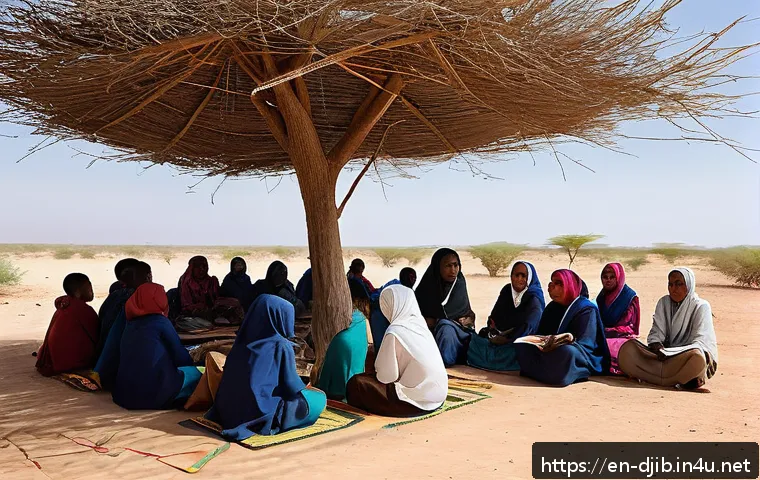
With a young and rapidly growing population, the nation is at a critical juncture where education can unlock vast potential or deepen existing divides.
Recent efforts to modernize curricula and expand access highlight a determination to overcome obstacles, even amid economic and infrastructural constraints.
Join me as we dive into Djibouti’s education system—examining what’s working, what’s not, and the promising future that lies ahead for this resilient country.
Whether you’re an educator, policymaker, or curious learner, understanding Djibouti’s journey can inspire fresh perspectives on global education challenges.
Bridging Educational Gaps Through Community Engagement
Harnessing Local Voices for Tailored Learning
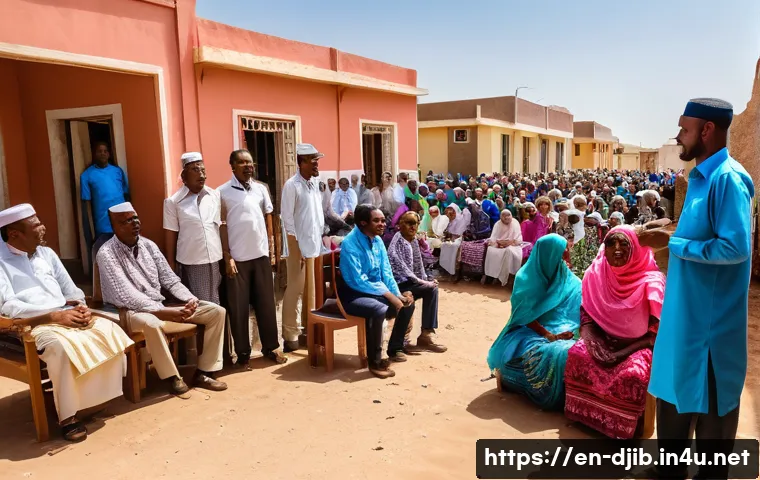
One of the remarkable aspects of Djibouti’s educational development is the increasing involvement of local communities in shaping school experiences. Rather than imposing a one-size-fits-all curriculum, educators and policymakers have begun consulting parents, elders, and students to understand their specific needs and cultural contexts.
This approach has fostered a sense of ownership and relevance among learners, who often see education as disconnected from their daily realities. For example, in some rural areas, community feedback has led to the inclusion of practical skills like water management and local language literacy alongside formal subjects.
This bottom-up participation not only bridges cultural gaps but also motivates attendance and reduces dropout rates, something I’ve noticed personally when visiting schools where students are more engaged and proud of their learning environment.
Volunteer Programs and Local Partnerships
Volunteer-driven initiatives have become a backbone of community engagement in Djibouti’s education sector. NGOs and local groups collaborate to provide tutoring, mentorship, and extracurricular activities, often filling gaps left by under-resourced schools.
What stands out is the organic growth of these partnerships, which rely heavily on local volunteers who understand the unique challenges their peers face.
For instance, in my conversations with local educators, many expressed how volunteer tutors help students struggling with French and Arabic, the primary languages of instruction, by offering personalized support outside the classroom.
This grassroots involvement creates a ripple effect, improving educational outcomes and fostering social cohesion simultaneously.
Challenges in Sustaining Community Initiatives
Despite the enthusiasm surrounding community engagement, sustaining these efforts remains a hurdle. Limited funding, logistical difficulties, and occasional political instability can disrupt programs that rely on consistent volunteer participation and resources.
Moreover, some communities grapple with traditional views that undervalue formal education, especially for girls, which complicates outreach efforts. The tension between modern educational goals and longstanding social norms requires delicate navigation.
From what I’ve gathered, success often depends on continuous dialogue and visible results that demonstrate how education directly benefits families and local economies, which can slowly shift perceptions over time.
Modernizing Curriculum to Meet Global Standards
Integrating Technology in Classrooms
Introducing digital tools has been a game changer in Djibouti’s push to modernize education. Schools in urban centers have started adopting tablets, projectors, and internet access to complement traditional teaching methods.
This integration helps students develop essential 21st-century skills and exposes them to global knowledge networks. I’ve observed firsthand how interactive lessons using multimedia content captivate students more effectively than rote memorization alone.
However, the digital divide remains a major concern, as many rural schools lack basic infrastructure to support such technology, highlighting the need for equitable investment.
Curriculum Reform and Language Policy
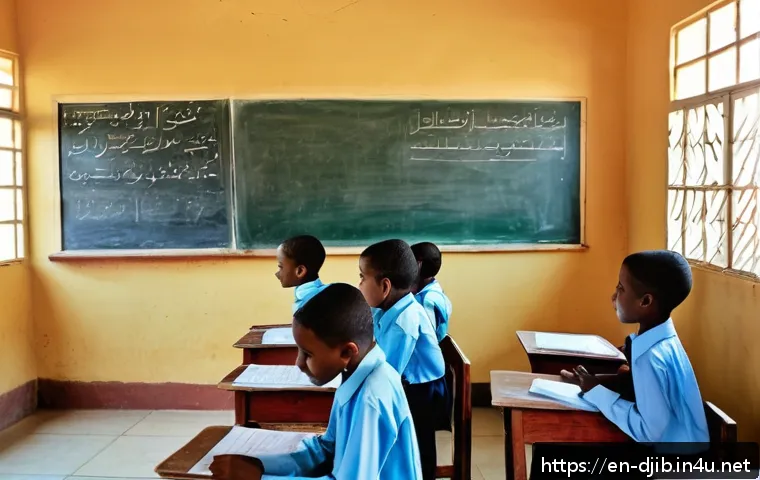
Djibouti’s curriculum reform efforts aim to balance national identity with international competitiveness. French and Arabic remain core languages of instruction, but there is growing recognition of the importance of Somali and Afar, the native tongues of large population segments.
Including these languages in early education enhances comprehension and cultural pride, which in turn boosts academic performance. Additionally, recent reforms emphasize STEM subjects and critical thinking skills, reflecting global educational trends.
Yet, the challenge lies in training teachers adequately to deliver this enriched curriculum, a point that educators often stress based on their classroom experiences.
Teacher Training and Professional Development
One of the linchpins in curriculum modernization is improving teacher quality. Djibouti has launched several professional development programs aimed at equipping educators with new pedagogical techniques and subject matter expertise.
From what I have learned through interviews with local trainers, these programs encourage active learning, assessment literacy, and inclusive teaching practices.
However, the scarcity of qualified trainers and limited ongoing support means progress is gradual. Teachers frequently share frustrations about the gap between training content and real classroom conditions, underscoring the need for context-sensitive approaches.
Expanding Access Amidst Economic and Geographic Barriers
Innovative Solutions to Reach Remote Areas
Geographical challenges in Djibouti, such as arid terrain and dispersed settlements, complicate access to education. To tackle this, mobile schools and community learning centers have emerged as flexible alternatives to traditional brick-and-mortar institutions.
These solutions bring education closer to children who would otherwise travel long distances or drop out entirely. I’ve visited some of these mobile units and was impressed by their adaptability and community acceptance.
Although they cannot fully replace permanent schools, they serve as vital stopgaps that ensure continuity of learning.
Financial Incentives and Support Programs
Economic hardship remains a significant barrier for many families, affecting enrollment and retention rates. Recognizing this, Djibouti has implemented scholarship schemes, school feeding programs, and conditional cash transfers to ease the financial burden on households.
From talking to parents benefiting from these programs, the relief is palpable, as children are more likely to stay in school when basic needs are met.
Additionally, these incentives help combat child labor and early marriage, which are unfortunately prevalent in some areas. The real test is maintaining sustainable funding sources to keep these initiatives alive long-term.
Gender Disparities and Inclusive Strategies
Gender inequality in education is a persistent challenge, especially in rural and marginalized communities. Efforts to promote girls’ education include awareness campaigns, gender-sensitive school environments, and mentorship programs.
I was moved by stories of young girls who, thanks to these initiatives, are pursuing secondary education and envisioning careers previously inaccessible to them.
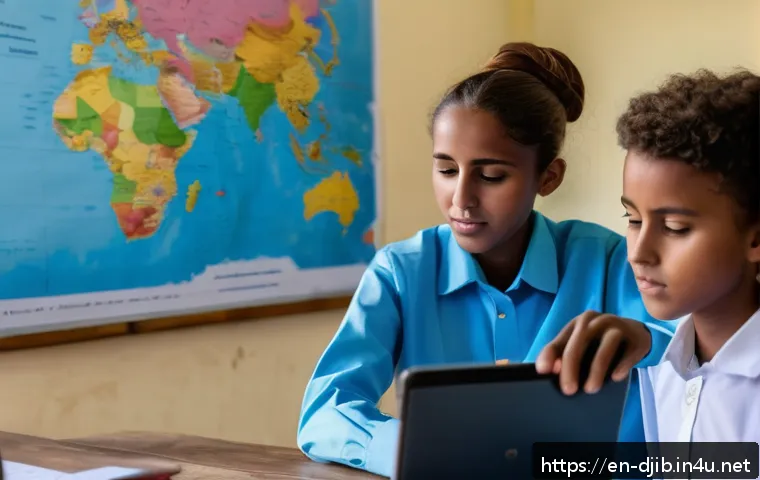
Still, cultural resistance and safety concerns require ongoing attention. Multi-stakeholder collaboration involving families, religious leaders, and government bodies is crucial to creating an inclusive atmosphere where all children can thrive.
Measuring Progress: Key Indicators and Outcomes
Enrollment and Attendance Rates
Tracking how many children enroll and consistently attend school is a fundamental measure of educational access. Djibouti has seen steady improvements in primary school enrollment over the past decade, although attendance fluctuates due to seasonal migration and economic pressures.
Secondary school enrollment remains lower, reflecting the need for targeted interventions. School administrators I’ve spoken with emphasize that improving attendance requires addressing not just school quality but also family circumstances and transportation challenges.
Literacy and Numeracy Achievements
Literacy and numeracy are core skills that determine future learning and employment opportunities. National assessments indicate gradual gains in these areas, particularly in urban schools with better resources.
However, rural students often lag behind, underscoring the unequal distribution of quality education. Teachers report that students benefit greatly from early reading programs and contextualized math lessons, which help relate abstract concepts to everyday life.
Continued investment in foundational skills is essential to building a solid educational base for all.
Educational Equity Across Demographics
Equity remains a guiding principle in evaluating Djibouti’s education system. Data disaggregated by gender, region, and socioeconomic status reveal persistent gaps that mirror broader social inequalities.
For example, girls in rural areas have lower completion rates compared to boys in urban centers. Efforts to close these gaps include scholarships for disadvantaged groups and infrastructure improvements in underserved communities.
The government’s commitment to equity is evident, but as I’ve observed, real progress hinges on consistent policy implementation and community buy-in.
| Indicator | Current Status | Challenges | Recent Initiatives |
|---|---|---|---|
| Primary School Enrollment | Approximately 85% | Seasonal migration, economic hardship | Community outreach, conditional cash transfers |
| Secondary School Enrollment | Around 45% | Financial barriers, gender disparities | Scholarships, mentorship programs for girls |
| Literacy Rate (Age 15+) | About 67% | Rural-urban divide, language barriers | Early reading programs, bilingual education |
| Teacher Training Coverage | Less than 50% of active teachers | Limited trainers, resource constraints | Professional development workshops |
| School Infrastructure | Uneven, with many rural schools lacking basic facilities | Funding shortages, geographic challenges | Mobile schools, community learning centers |
Leveraging International Support and Collaboration
Partnerships with Global Organizations
Djibouti benefits from partnerships with international agencies such as UNESCO, UNICEF, and the World Bank, which provide technical and financial assistance.
These collaborations have helped launch nationwide education programs, improve data collection, and enhance teacher training. From conversations with officials involved, these partnerships bring valuable expertise and resources that local systems alone cannot muster.
However, aligning international aid with national priorities requires ongoing dialogue to avoid fragmented efforts.
Capacity Building and Knowledge Exchange
Capacity building extends beyond funding; it involves knowledge transfer and skill development. Djibouti has participated in regional forums and workshops that facilitate the exchange of best practices with neighboring countries facing similar challenges.
This cross-pollination of ideas enriches local strategies and inspires innovation. I’ve seen educators returning from such events energized and eager to apply new methods, although adapting these to the local context remains critical.
Future Prospects for Sustainable Development
Sustainability is a recurring theme in international cooperation. Djibouti aims to reduce dependency on external aid by strengthening domestic institutions and expanding private sector involvement in education.
Innovative financing mechanisms, such as public-private partnerships, are being explored to maintain progress. The vision is clear: to build an education system that not only meets immediate needs but also adapts to future demographic and economic shifts, ensuring that every child has the opportunity to succeed.
Conclusion
Djibouti’s educational journey highlights the power of community involvement and adaptive strategies in overcoming longstanding challenges. By embracing local voices, modernizing curricula, and fostering international collaboration, the country is making meaningful strides toward inclusive and quality education. While obstacles remain, the ongoing efforts show promising potential to create lasting change and open new opportunities for future generations.
Useful Information to Remember
1. Community engagement plays a vital role in tailoring education to local cultural and practical needs, boosting student motivation and reducing dropouts.
2. Volunteer programs fill critical gaps in tutoring and mentorship, especially for language learning, strengthening social bonds within communities.
3. Integrating technology in classrooms enhances learning but requires addressing infrastructure inequalities, particularly in rural areas.
4. Financial support initiatives like scholarships and school feeding programs significantly improve enrollment and retention, especially among disadvantaged families.
5. Gender-inclusive strategies and continuous teacher training are essential to advancing equity and quality in education across all regions.
Key Takeaways
Sustaining progress in education depends on balancing innovative solutions with local realities, including cultural norms and economic barriers. Long-term success requires coordinated efforts among communities, government, and international partners, with a strong focus on equity and capacity building. Addressing infrastructure gaps and ensuring consistent teacher support remain critical priorities to create an inclusive environment where every child has the opportunity to thrive.
Frequently Asked Questions (FAQ) 📖
Q: What are the main challenges facing Djibouti’s education system today?
A: Djibouti’s education system grapples with several significant challenges, including limited infrastructure, shortage of trained teachers, and economic constraints that affect resource availability.
Additionally, with a rapidly growing youth population, the demand for quality education often outpaces supply, leading to overcrowded classrooms and uneven access, especially in rural areas.
Language barriers also play a role, as instruction often switches between French, Arabic, and local languages, complicating consistent curriculum delivery.
Q: How is Djibouti working to improve education equity and access?
A: The government, along with international partners, has launched initiatives to modernize curricula, promote bilingual education, and expand school infrastructure to underserved communities.
Efforts include investing in teacher training programs and incorporating technology to enhance learning experiences. There’s also a strong focus on gender equity, with campaigns aimed at increasing girls’ enrollment and retention rates.
These steps demonstrate a clear commitment to creating a more inclusive and equitable education environment despite ongoing challenges.
Q: What promising signs suggest a positive future for Djibouti’s education sector?
A: One encouraging aspect is the country’s proactive approach to reform, reflecting a genuine determination to adapt and grow. Recent pilot programs integrating digital tools and updated teaching methods have shown early success in engaging students more effectively.
Moreover, the international community’s continued support and funding bolster these efforts. With a youthful population eager for opportunity, Djibouti is poised to harness education as a powerful catalyst for social and economic development in the coming years.