As global travelers seek more immersive cultural experiences, Djibouti’s coffee ceremony offers a captivating glimpse into the heart of its rich traditions.
This unique ritual, steeped in history and community spirit, goes beyond just brewing coffee—it tells a story of connection and heritage. With growing interest in authentic cultural exchanges, understanding Djibouti’s coffee ceremony is like unlocking a vibrant piece of East African culture.
Whether you’re a coffee lover or a curious explorer, this experience promises to deepen your appreciation for the art of hospitality. Let’s dive into the fascinating world behind this cherished tradition and discover why it continues to enchant visitors today.
The Art of Preparation: More Than Just Brewing
Choosing the Beans and Roasting
The journey to a perfect cup in Djibouti’s coffee tradition starts with carefully selecting the beans. Locally grown Arabica beans are preferred for their rich aroma and balanced flavor.
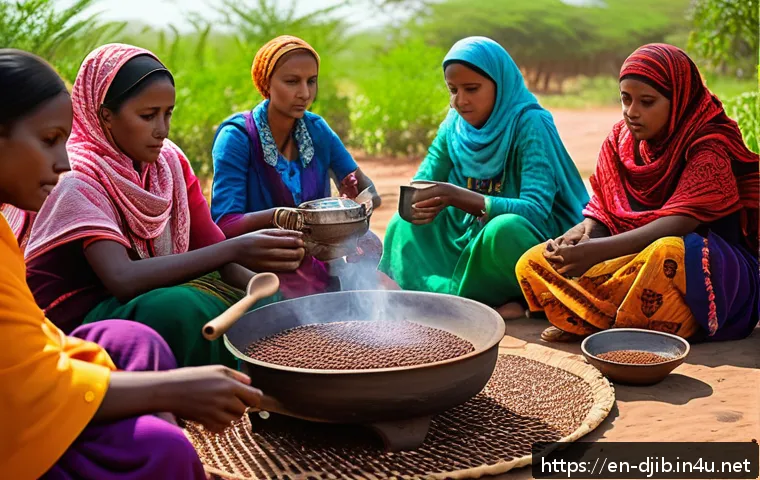
What I found fascinating is the communal roasting process, where the beans are gently toasted over an open flame in a pan, constantly stirred to avoid burning.
This hands-on approach not only enhances the flavor but also invites everyone present to engage and anticipate the brewing ritual together. Watching the beans change color and releasing their scent is almost hypnotic—it builds anticipation and sets a warm, inviting tone for the ceremony.
The Ritualistic Roasting and Grinding
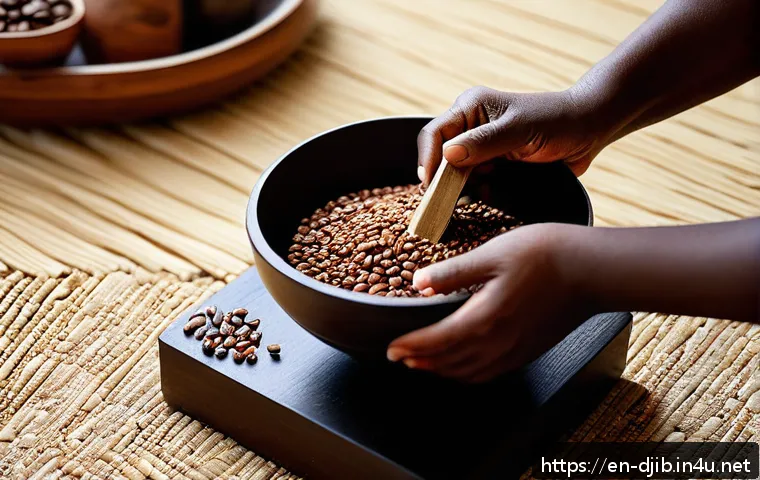
Once roasted, the beans are ground using a traditional mortar and pestle. Unlike the quick grind we’re used to with electric grinders, this manual method is deliberate and rhythmic, almost meditative.
I noticed that the sound of grinding and the gradual release of the coffee’s essence create a sensory experience, grounding everyone in the moment. This step is often accompanied by storytelling or soft conversation, emphasizing the ceremony’s role in fostering connection rather than just caffeine consumption.
Brewing in the Jebena
The jebena, a distinctive clay coffee pot with a long spout, is central to the brewing process. Boiling water is added to the ground coffee inside the jebena, and the pot is placed over coals to brew slowly.
The brewing is not rushed; it’s a time to enjoy the aroma and engage in communal anticipation. I was struck by how the jebena’s design itself influences the flavor, allowing the coffee to develop a unique depth and smoothness that you just don’t get from modern machines.
The careful, hands-on brewing is a beautiful metaphor for patience and care in hospitality.
Community and Connection Through Coffee
Sharing as a Social Bond
The coffee ceremony is much more than a drink—it’s a social glue that binds families and communities. In Djibouti, guests gather around the brewing area, sharing stories, laughter, and sometimes even debates.
I experienced firsthand how this tradition encourages openness and warmth, making strangers feel like family. The act of serving coffee in small, delicate cups symbolizes respect and inclusion, inviting everyone to partake in the moment fully.
Three Rounds: A Journey of Conversation
An intriguing aspect is the three rounds of coffee served during the ceremony. Each round, or “Abol,” “Tona,” and “Baraka,” has its own significance and flavor profile, with the last round being the strongest and most cherished.
This progression mirrors the deepening of conversation and connection as the ceremony unfolds. Observing this, I realized how the ritual encourages patience and attentiveness, qualities often lost in today’s fast-paced world.
The Role of Women in Preserving Tradition
Women usually lead the ceremony, showcasing their skill and hospitality. Their expertise in roasting, brewing, and serving is passed down through generations.
I was impressed by the pride and joy they express in maintaining this cultural heritage, seeing the ceremony as both a personal art and a communal responsibility.
Their role highlights how traditions survive and thrive through dedicated stewardship and shared values.
Symbolism and Cultural Significance Embedded in the Ceremony
Hospitality and Respect
In Djibouti’s culture, offering coffee symbolizes hospitality and respect. When invited to partake, you’re not just drinking coffee—you’re entering a space of mutual honor and trust.
I learned that declining coffee can sometimes be seen as rejecting friendship, underscoring how deeply intertwined this ritual is with social customs.
This insight made me appreciate how a simple beverage can carry profound cultural weight.
Spiritual and Historical Layers
The coffee ceremony is steeped in historical narratives and spiritual meaning. It reflects centuries-old traditions of community life, celebration, and even rites of passage.
While the brewing and sharing may seem casual on the surface, they actually echo deeper themes of unity, renewal, and gratitude. Experiencing this, I felt connected not only to the people but to a lineage of shared human experiences around the hearth.
Bridging Past and Present
As Djibouti modernizes, the coffee ceremony remains a vital link to heritage. Younger generations are embracing it not just as a nostalgic practice but as a meaningful way to connect with their roots.
I noticed that even tourists are drawn to this authentic experience, eager to participate in a living tradition that balances history with contemporary social life.
It’s a beautiful example of how culture evolves without losing its essence.
Essentials of the Ceremony: Tools and Ingredients
Understanding the Jebena and Cups
The jebena is more than a brewing vessel—it’s a cultural artifact. Made from clay, its shape and design are tailored for optimal brewing and pouring. The small cups, often without handles, require a delicate hand and symbolize intimacy and respect.
I found myself paying close attention to how each tool contributes to the ceremony’s rhythm and meaning, transforming simple coffee into a ritual of elegance.
The Significance of Accompaniments
Accompanying the coffee are traditional snacks like roasted barley or popcorn, which balance the coffee’s bitterness and enhance the communal atmosphere.
These treats are not just fillers but part of the sensory experience, offering texture and contrast. Sampling them alongside coffee gave me a fuller sense of the ceremony’s hospitality and the layers of enjoyment it provides.
Essential Ingredients Beyond Coffee
While coffee is the star, spices like cardamom or cinnamon sometimes appear, adding aromatic complexity. These additions vary by region and family tradition, reflecting personal touches and local flavors.
I appreciated how these subtle variations honor the ceremony’s adaptability, allowing it to stay fresh and relevant while preserving its core.
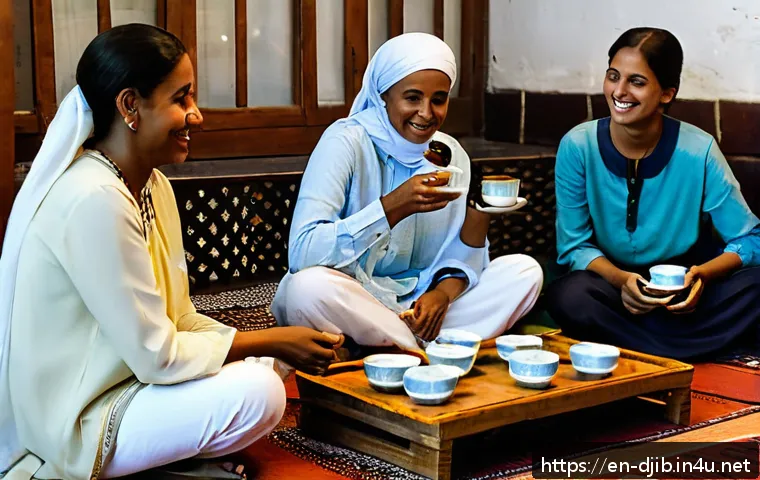
Experiencing the Ceremony as a Visitor
Immersive Participation vs. Observation
Joining a coffee ceremony as a guest offers two distinct experiences: active participation or respectful observation. I found that engaging hands-on—helping roast or grind beans—deepened my connection to the ritual and the people sharing it.
Observing quietly, on the other hand, allowed me to appreciate the ceremony’s flow and social nuances. Both approaches provide valuable perspectives but engaging fully made the experience unforgettable.
Tips for Visitors to Embrace the Tradition
If you’re planning to attend, patience and openness are your best companions. The ceremony unfolds slowly, inviting you to savor each moment rather than rush.
I recommend dressing modestly and preparing to engage in conversation, as it’s a social event as much as a cultural one. Bringing a respectful attitude and curiosity enriches the experience and earns genuine warmth from hosts.
Common Misconceptions to Avoid
Many visitors expect the ceremony to be quick or similar to Western coffee culture, but it’s neither. The pace is deliberately slow to foster connection.
Also, the coffee served is quite strong and often bitter for those used to sweetened drinks, so adjusting expectations helps. I noticed that understanding these differences beforehand prevents disappointment and allows you to appreciate the ceremony’s unique beauty.
Comparing Djibouti’s Coffee Ritual to Other East African Traditions
Shared Roots and Regional Variations
Djibouti’s coffee ceremony shares similarities with neighboring countries like Ethiopia and Somalia, where coffee rituals also play a central social role.
However, I found distinct differences in preparation methods, serving styles, and social contexts. For example, the use of the jebena is widespread, but Djibouti’s version often includes specific spices or accompaniments unique to its cultural mix.
Exploring these nuances highlights the rich diversity of East African coffee culture.
Table: Key Differences and Similarities in Coffee Ceremonies
| Aspect | Djibouti | Ethiopia | Somalia |
|---|---|---|---|
| Brewing Vessel | Clay jebena with narrow spout | Clay jebena, sometimes larger | Metal pots often used |
| Roasting Style | Open flame roasting with community involvement | Similar roasting, often with green beans displayed | Roasting may include additional spices |
| Spices Used | Occasional cardamom or cinnamon | Rarely added, focus on pure coffee taste | Common use of cardamom and sometimes cloves |
| Number of Rounds | Three rounds (Abol, Tona, Baraka) | Typically three rounds as well | Usually two rounds |
| Social Context | Community bonding and hospitality | Ceremonial and social occasions | Often linked to hospitality and religious gatherings |
Why These Differences Matter
These variations reflect each country’s unique history, climate, and social fabric. I found that understanding these distinctions enriches the appreciation of each ceremony, showing how a shared tradition can adapt to local identities and values.
It’s a powerful reminder of culture’s fluidity and the beauty of regional diversity.
The Lasting Impact of Djibouti’s Coffee Culture on Visitors
A Sensory and Emotional Connection
Participating in the ceremony left a lasting impression on me—not just because of the taste but the warmth and generosity embedded in the process. It’s a sensory journey that appeals to smell, taste, sight, and even sound, wrapped in human connection.
This immersive experience creates a genuine emotional bond, making visitors feel welcomed and valued in a deep way.
Encouraging Cultural Curiosity and Respect
For many travelers, this ceremony opens a door to deeper cultural understanding. I noticed how it sparks curiosity about local customs and history, encouraging respectful engagement rather than superficial tourism.
It’s a lesson in slowing down, listening, and appreciating complexity, qualities that resonate far beyond the coffee cup.
Inspiring Sustainable Cultural Tourism
As interest grows, the coffee ceremony also represents a sustainable form of cultural tourism that benefits local communities. By supporting these traditions, visitors contribute to preserving cultural heritage and empowering local artisans, especially women.
I believe this balance between sharing and safeguarding culture is essential for meaningful travel experiences today.
In Conclusion
The Djibouti coffee ceremony is much more than brewing a cup of coffee; it’s a heartfelt tradition that brings people together through shared experience and deep cultural meaning. Participating in this ritual offers a unique glimpse into hospitality, patience, and community bonding. It’s a beautiful reminder that sometimes the simplest moments carry the richest stories and connections.
Helpful Information to Know
1. The coffee ceremony is a slow, deliberate process meant to encourage conversation and togetherness rather than quick consumption.
2. Traditional tools like the jebena and hand grinding add unique flavors and cultural significance to the coffee.
3. Expect three rounds of coffee, each with increasing strength, symbolizing a journey of connection and respect.
4. Women play a central role in leading the ceremony, preserving its customs and artistry across generations.
5. Visitors should approach the ceremony with openness and patience, embracing it as a cultural experience rather than just a coffee break.
Key Takeaways
The Djibouti coffee ceremony exemplifies how a simple beverage can embody hospitality, respect, and cultural identity. Its ritualistic preparation highlights the importance of patience, community, and tradition in a fast-paced world. Understanding and participating in this ceremony fosters genuine connections and supports cultural preservation, making it an enriching experience for both locals and visitors alike.
Frequently Asked Questions (FAQ) 📖
Q: What is the significance of the coffee ceremony in Djibouti’s culture?
A: The coffee ceremony in Djibouti is much more than just making coffee; it’s a deeply rooted cultural ritual that symbolizes hospitality, community, and respect.
It serves as a moment for people to come together, share stories, and strengthen social bonds. Experiencing this ceremony offers a unique insight into the values and traditions that have been passed down through generations, reflecting Djibouti’s rich heritage and the importance placed on connection and warmth.
Q: How is the traditional Djiboutian coffee ceremony performed?
A: The ceremony typically begins with roasting green coffee beans over an open flame, filling the air with an inviting aroma. Once roasted, the beans are ground and brewed in a special pot called a jebena.
The coffee is then poured carefully into small cups and served in three rounds, each with its own meaning—from welcoming guests to celebrating friendship.
The process is slow and deliberate, encouraging conversation and mindfulness, which makes it a truly immersive cultural experience.
Q: Can tourists participate in Djibouti’s coffee ceremony, and what should they expect?
A: Absolutely, many local hosts welcome tourists to join the coffee ceremony as a way to share their culture. Visitors should expect a warm, intimate setting where the focus is on genuine interaction rather than rushing through the ritual.
It’s common to sit on cushions or low stools, engage in meaningful conversation, and savor the rich flavors of freshly brewed coffee. Participating in this ceremony not only offers a taste of Djibouti’s coffee but also a heartfelt glimpse into its social customs and traditions.