As the world increasingly focuses on protecting fragile ecosystems, Djibouti is quietly emerging as a beacon of hope in the Horn of Africa. This small yet strategically located country is taking bold steps to conserve its unique biodiversity, often overlooked on the global stage.
With climate change and habitat loss threatening countless species, Djibouti’s conservation efforts are not just timely but essential. In this post, we’ll explore how innovative approaches and local commitment are shaping a sustainable future for this remarkable region.
Stay with me as we uncover the inspiring story behind Djibouti’s pioneering role in safeguarding nature’s treasures.
Djibouti’s Unique Habitats: A Mosaic of Life in Arid Lands
Coastal Wonders: Coral Reefs and Marine Diversity
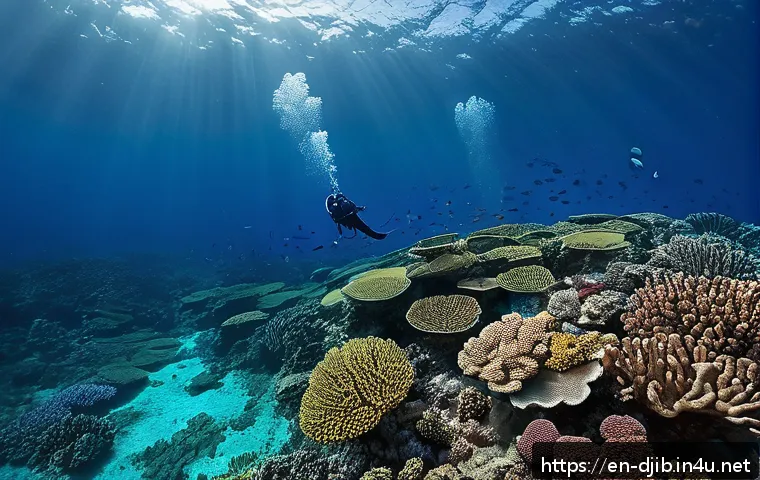
Djibouti’s coastline stretches along the Red Sea and the Gulf of Aden, creating a vital marine ecosystem that few people realize is a hotspot for biodiversity.
The coral reefs here are not just colorful underwater gardens; they support a vast array of fish species, some endemic, others migratory. I’ve personally dived in these waters and was amazed by the vibrant life despite the harsh climatic conditions.
These reefs serve as nurseries for juvenile fish and protect shorelines from erosion, making their preservation crucial. Local fishermen have started adopting sustainable practices, reducing harmful fishing methods that once threatened these fragile ecosystems.
Desert Oases: Life Amidst Harsh Terrain
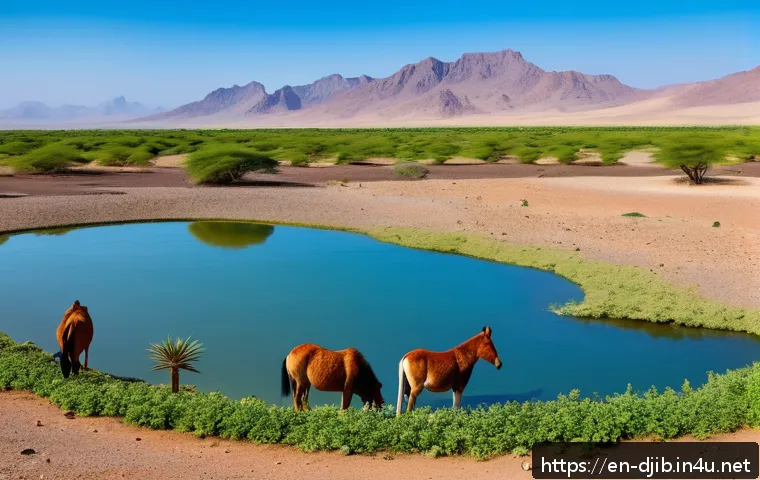
Contrary to what one might expect, Djibouti’s deserts are teeming with life, especially around its rare water sources. The few perennial springs and wadis support unique plant species and provide critical habitats for animals like the African wild ass and various reptiles.
My conversations with local herders revealed how traditional knowledge guides them to avoid overgrazing, helping maintain the delicate balance in these fragile zones.
These desert oases are ecological jewels that require protection against increasing pressures from climate change and human activity.
Mountain Refuges: Cool Havens for Endemic Species
The Goda Mountains, rising sharply from the surrounding plains, create a cooler microclimate that supports species not found elsewhere in the country.
I found that this area is home to a variety of endemic birds and plants, many of which are under threat from habitat fragmentation. Conservationists in Djibouti are working to establish protected zones here, combining scientific research with community involvement to safeguard these natural refuges.
The mountain forests also play an important role in water regulation, which benefits both wildlife and local communities.
Community-Driven Conservation: Empowering Local Voices
Traditional Practices Aligning with Modern Conservation
One of the most inspiring aspects of Djibouti’s conservation success is how local communities have embraced environmental stewardship. Rather than imposing external solutions, conservation projects here respect and integrate indigenous knowledge.
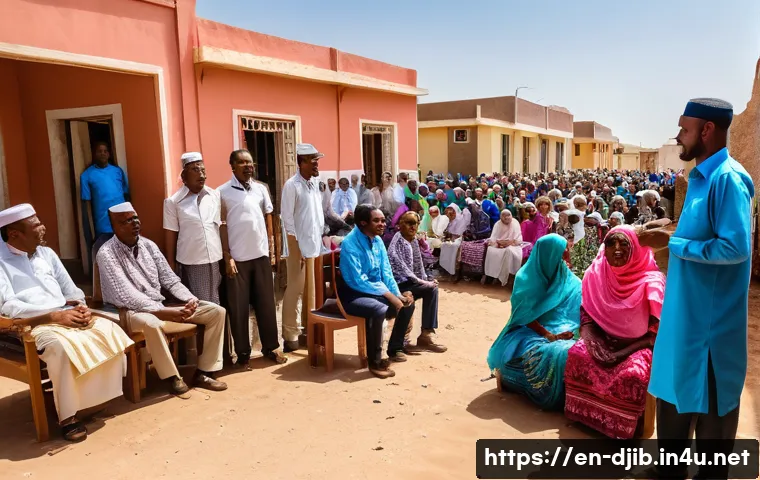
For example, pastoralists have long practiced rotational grazing, which naturally prevents land degradation. I witnessed community meetings where elders actively discuss ways to balance livelihood needs with wildlife protection, illustrating a deep-rooted commitment to sustainability.
Education and Awareness Programs
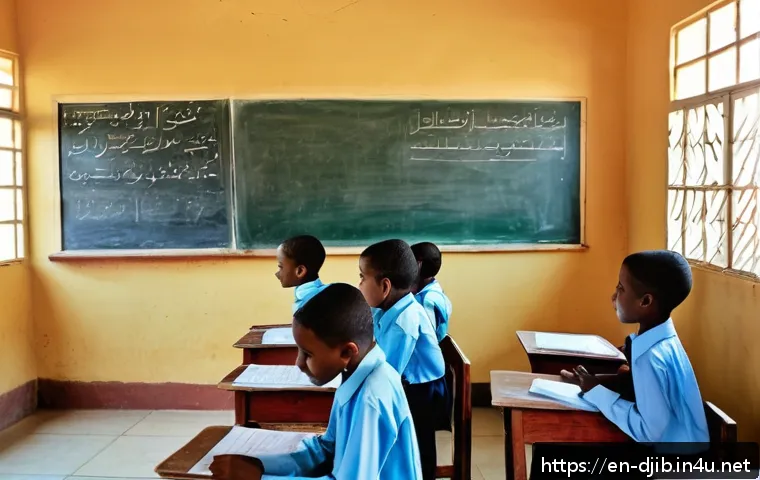
Raising awareness among younger generations is a cornerstone of Djibouti’s strategy. Schools now include environmental education, and NGOs conduct workshops that bring conservation issues closer to everyday life.
I had the chance to participate in one such workshop, where children eagerly shared ideas about protecting their local flora and fauna. This grassroots approach fosters a culture of care and responsibility, ensuring that conservation efforts are not just top-down mandates but shared community goals.
Women as Conservation Champions
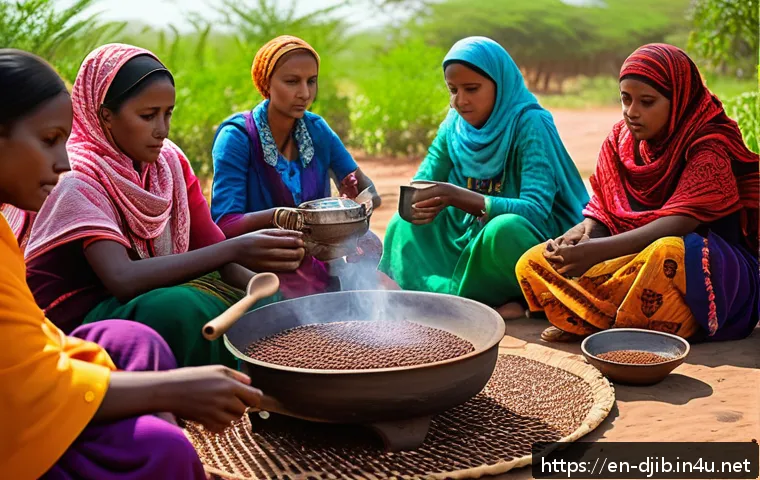
Women in Djibouti are increasingly recognized as key players in protecting biodiversity. Their traditional roles often connect them closely with natural resources, such as managing water and collecting medicinal plants.
Empowerment programs encourage women to lead conservation initiatives, from tree planting to eco-tourism projects. I spoke with several women who expressed pride in contributing to preserving their environment while improving their families’ livelihoods—showcasing how gender inclusion strengthens conservation outcomes.
Innovative Technologies Supporting Preservation Efforts
Satellite Monitoring and Wildlife Tracking
Djibouti has embraced modern technology to enhance its conservation capabilities. Satellite imagery is used to monitor habitat changes and detect illegal activities like poaching or logging.
I found that GPS collars on key species provide valuable data on movement patterns and habitat use, helping managers make informed decisions. These tools not only increase efficiency but also create transparency, boosting trust among stakeholders.
Renewable Energy Reducing Environmental Footprint
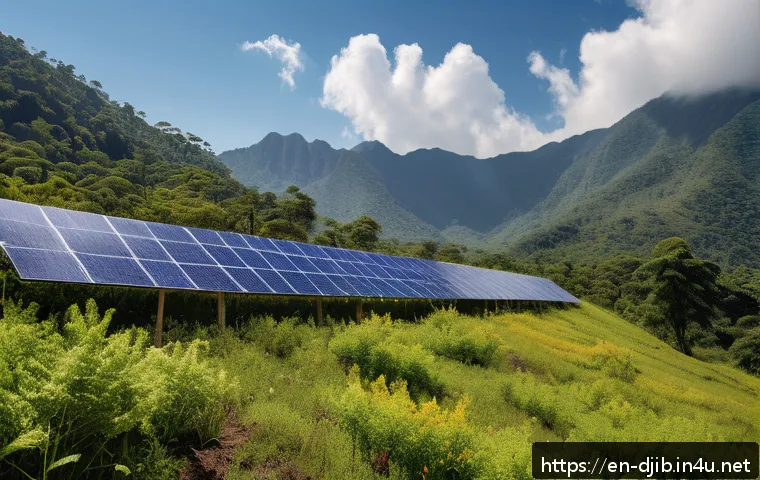
In a country where resources are scarce, renewable energy projects are playing a pivotal role in reducing environmental impact. Solar power installations in rural areas reduce dependence on wood fuel, which helps curb deforestation.
During a visit to a solar-powered community center, I saw firsthand how clean energy can improve living standards while supporting conservation goals.
This synergy between development and preservation is critical for long-term sustainability.
Community-Based Eco-Tourism
Eco-tourism is being developed as an economic incentive for conservation. Guided tours highlight Djibouti’s natural wonders, from whale shark snorkeling to bird watching in protected areas.
Local guides are trained not only in hospitality but also in ecological knowledge, enriching visitors’ experiences. I joined one such tour and was struck by how this approach creates jobs while fostering respect for wildlife, turning tourists into advocates for protection.
Key Species Spotlight: Guardians of Djibouti’s Biodiversity
The African Wild Ass: A Symbol of Survival
This critically endangered species is one of the world’s rarest equids and a flagship animal for conservation in Djibouti. Observing the African wild ass in its natural habitat was a profound experience for me.
Efforts to protect it include habitat restoration and community patrols to prevent poaching. The wild ass serves as a reminder of the resilience of life in tough environments and the importance of safeguarding genetic diversity.
Marine Giants: Whale Sharks and Beyond
Djibouti’s waters are a seasonal home to whale sharks, the largest fish on the planet. These gentle giants attract eco-tourists and researchers alike.
Conservation programs work to regulate boat traffic and educate fishermen to avoid harm to these creatures. I joined a boat excursion where guides emphasized responsible interaction, highlighting how tourism can coexist with marine preservation when managed thoughtfully.
Birdlife Richness: Migrants and Endemics
The country’s position along migratory routes makes it a haven for numerous bird species. Birdwatchers and scientists flock to Djibouti to observe both resident and transient species.
Protecting wetlands and other critical habitats is essential for maintaining this avian diversity. I enjoyed watching flocks of flamingos and other waterbirds at Lake Assal, a spectacle that underscores the interconnectedness of ecosystems.
Challenges and Future Directions in Conservation
Balancing Development and Environmental Protection
Djibouti’s strategic location has attracted infrastructure projects that can threaten natural habitats. Navigating the tension between economic growth and conservation is a constant challenge.
From my perspective, transparent environmental impact assessments and inclusive planning processes are key to ensuring that development does not come at the cost of biodiversity loss.
Climate Change Impacts and Adaptive Strategies
Rising temperatures and changing rainfall patterns exacerbate pressures on already fragile ecosystems. Local conservationists are experimenting with adaptive management techniques, such as restoring native vegetation to improve resilience.
I was impressed by the proactive mindset that embraces uncertainty but focuses on practical solutions to safeguard habitats for future generations.
International Collaboration and Funding
Djibouti’s conservation ambitions benefit from partnerships with global organizations and neighboring countries. Cross-border initiatives address shared challenges like wildlife corridors and marine protection.
While funding remains a hurdle, innovative financing models, including eco-tourism revenues and carbon credits, show promise. I believe sustained international support combined with local ownership will be crucial for long-term success.
Summary of Key Conservation Initiatives in Djibouti
| Initiative | Focus Area | Community Involvement | Technological Tools | Impact |
|---|---|---|---|---|
| Marine Protected Areas | Coral reefs and fisheries | Fishermen cooperatives adopting sustainable practices | Satellite monitoring, patrol boats | Improved fish stocks, reef health recovery |
| Desert Habitat Restoration | Oases and dryland vegetation | Pastoralists practicing rotational grazing | GIS mapping, drought-resistant plants | Reduced land degradation, enhanced biodiversity |
| Eco-Tourism Development | Wildlife and cultural sites | Local guides and women-led enterprises | Mobile apps for visitor education | Job creation, increased conservation awareness |
| Wildlife Tracking Programs | Endangered mammals and birds | Community rangers and researchers | GPS collars, drones | Better species management, poaching reduction |
| Renewable Energy Projects | Rural electrification and deforestation reduction | Village committees managing solar installations | Solar panels, energy storage | Lower carbon footprint, improved livelihoods |
In Conclusion
Djibouti’s diverse habitats showcase the incredible resilience of life in arid environments. From vibrant coral reefs to mountain refuges, each ecosystem plays a vital role in maintaining biodiversity. The success of conservation efforts relies heavily on local communities, innovative technology, and sustainable development. Protecting these unique landscapes is essential for the well-being of both nature and people in the region.
Useful Information to Know
1. Djibouti’s coral reefs serve as critical nurseries for fish and protect coastlines from erosion, supporting both biodiversity and local fisheries.
2. Traditional pastoral practices like rotational grazing help prevent land degradation and preserve fragile desert oases.
3. Women are increasingly leading conservation initiatives, linking environmental protection with improved livelihoods.
4. Advanced technologies such as satellite monitoring and GPS tracking enhance wildlife protection and habitat management.
5. Community-based eco-tourism provides economic incentives for conservation while educating visitors about Djibouti’s natural heritage.
Key Takeaways
Djibouti’s conservation success is rooted in the integration of indigenous knowledge with modern science, ensuring sustainable use of natural resources. Empowering local communities, especially women, strengthens stewardship and fosters long-term commitment. Technological innovations complement these efforts by improving monitoring and enforcement. Balancing development with environmental protection remains a critical challenge, but collaborative approaches offer promising pathways for preserving biodiversity in this unique arid landscape.
Frequently Asked Questions (FAQ) 📖
Q: uestions about Djibouti’s Conservation EffortsQ1: What makes Djibouti’s biodiversity unique compared to other countries in the Horn of
A: frica? A1: Djibouti’s biodiversity stands out due to its combination of desert, marine, and volcanic landscapes, creating habitats for species found nowhere else.
For example, the country hosts the rare Djibouti francolin bird and vibrant coral reefs along the Red Sea coast. This ecological variety, coupled with its strategic location at the crossroads of Africa and the Arabian Peninsula, makes Djibouti a critical refuge for both terrestrial and marine life.
Q: How is Djibouti addressing the challenges of climate change and habitat loss?
A: Djibouti is implementing innovative conservation strategies that blend traditional knowledge with modern science. Efforts include establishing protected areas, restoring degraded habitats, and promoting sustainable fishing practices.
The government actively collaborates with local communities, empowering them to manage natural resources responsibly. Additionally, projects focusing on climate resilience, such as reforestation and water conservation, help mitigate the impact of rising temperatures and desertification.
Q: Can visitors support Djibouti’s conservation initiatives through eco-tourism?
A: Absolutely! Eco-tourism in Djibouti is growing, providing a sustainable way for travelers to contribute to conservation while experiencing the country’s natural wonders.
Activities like guided wildlife tours, snorkeling in protected marine areas, and visiting community-led conservation projects help generate income that funds environmental protection.
From personal experience, engaging with local guides not only enriches the visit but also supports the ongoing preservation of Djibouti’s unique ecosystems.