Djibouti, positioned at the crossroads of the Red Sea and the Gulf of Aden, faces unique challenges when it comes to natural disasters. Its arid climate and seismic activity pose risks that demand robust preparedness and response strategies.
Over the years, efforts to strengthen disaster resilience have become crucial for safeguarding communities and infrastructure. Understanding how Djibouti manages these risks offers valuable insights into disaster response in vulnerable regions.
Let’s dive deeper to explore the realities and strategies shaping Djibouti’s natural disaster response capabilities. Stay tuned as we uncover the details ahead!
Seismic Risks and Preparedness Measures in Djibouti
Understanding Djibouti’s Seismic Activity
Djibouti sits atop the East African Rift, a tectonic boundary where the African and Arabian plates are pulling apart. This geological setting makes the region prone to frequent earthquakes, some of which have caused significant damage historically.
Unlike regions with predictable seismic patterns, Djibouti experiences irregular but sometimes intense tremors. What’s interesting is how local communities have adapted to living with this uncertainty—there’s a pervasive awareness that the ground beneath them can shift without much warning.
However, the challenge remains in translating this awareness into concrete preparedness actions, especially in rural areas where infrastructure is less resilient.
Community-Led Earthquake Preparedness
On the ground, many initiatives focus on community education and drills to enhance readiness. From my discussions with local volunteers, it’s clear that these programs are vital, especially in schools and densely populated urban neighborhoods.
The approach is hands-on: teaching people how to “drop, cover, and hold” during an earthquake, identifying safe spots inside homes, and understanding the importance of emergency kits.
What struck me was how much trust and reliance is placed on local leaders who coordinate these activities, creating a grassroots safety net that complements government efforts.
Government Policies and Infrastructure Resilience
The Djiboutian government has been working to improve building codes and enforce construction standards that can withstand seismic shocks. While progress is gradual, new public buildings and critical infrastructure like hospitals and schools are increasingly designed with earthquake resistance in mind.
I noticed, however, that enforcement can be inconsistent due to limited resources and technical expertise. There is also an ongoing effort to establish early warning systems, although these are still in their infancy compared to more developed countries.
Overall, the government’s role is crucial but requires stronger international partnerships and funding to scale up effective seismic risk mitigation.
Managing Drought and Water Scarcity Challenges
The Impact of Arid Climate on Livelihoods
Djibouti’s climate is notoriously dry, with minimal rainfall and high temperatures that strain water resources. For many locals, especially pastoralists and small-scale farmers, drought isn’t just an environmental issue—it’s a direct threat to their survival.
I’ve heard stories from herders who have lost entire herds to prolonged dry spells, forcing migrations and increasing food insecurity. Water scarcity also affects urban centers where demand often outpaces supply, creating tension and health risks.
The persistent drought conditions demand adaptive strategies that go beyond immediate relief.
Innovations in Water Resource Management
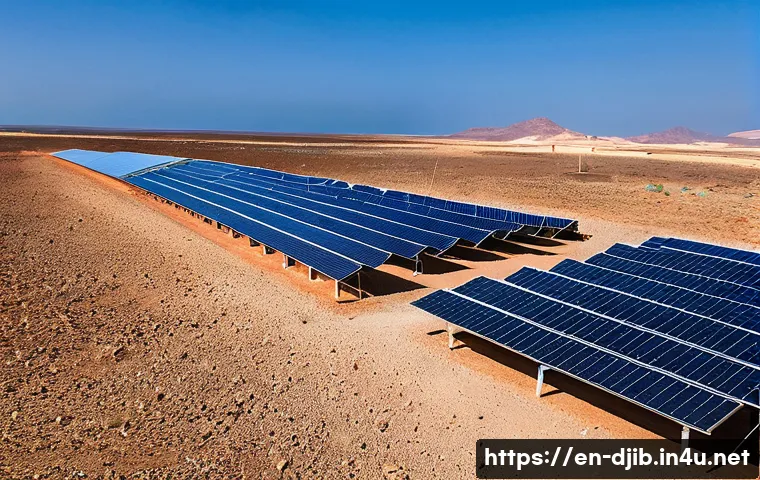
One of the promising developments I came across is the use of solar-powered desalination plants. These facilities convert seawater into potable water, providing a sustainable solution in a country with abundant solar energy but scarce freshwater.
Additionally, rainwater harvesting systems and groundwater recharge projects have been introduced in some communities to buffer against dry periods. While these technologies are not yet widespread, they represent a shift towards resilience by diversifying water sources and reducing dependency on unpredictable rains.
Community Adaptation and Traditional Knowledge
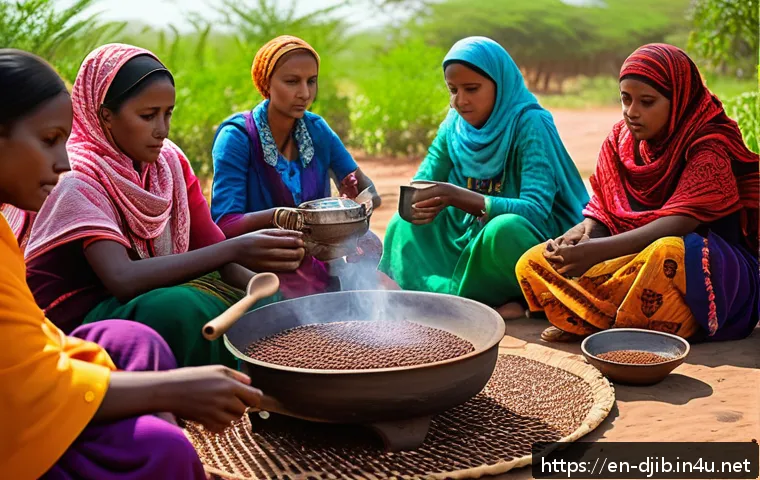
Beyond technology, traditional practices remain essential. Many pastoralists use indigenous knowledge to track seasonal changes and manage grazing patterns, helping to reduce the impact of drought.
I was impressed by how this knowledge, passed down through generations, complements modern approaches. For instance, some communities have developed rotational grazing and water conservation techniques that maintain soil health and preserve scarce vegetation.
These grassroots adaptations highlight the importance of integrating local wisdom with scientific innovation in managing drought risks.
Flood Risks and Urban Resilience Efforts
Flooding in Coastal and Urban Areas
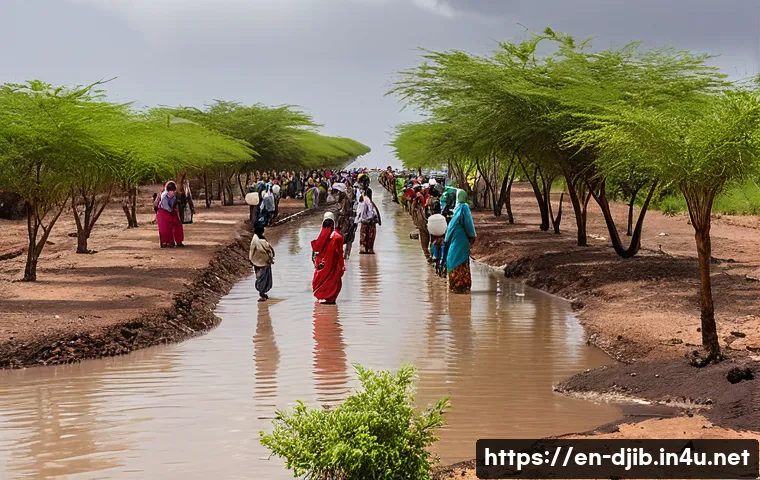
Though Djibouti is mostly arid, it is not immune to flooding, especially during rare but intense rainy seasons. Coastal areas face flash floods that can disrupt transportation and damage homes, while urban districts suffer from poor drainage systems that exacerbate water accumulation.
I’ve seen firsthand how sudden floods can overwhelm neighborhoods, creating health hazards and displacing residents. The unpredictable nature of these events makes planning difficult, yet the consequences are very real for vulnerable populations.
Infrastructure Upgrades to Mitigate Flood Impact
To combat flooding, the government and international partners have invested in upgrading drainage infrastructure and building retention basins. These projects aim to channel excess water safely away from populated zones.
What impressed me was the integration of natural solutions, such as restoring mangrove areas along the coast, which act as natural barriers against storm surges.
Still, rapid urbanization poses challenges, as many informal settlements are located in flood-prone zones without adequate services, highlighting a gap in inclusive planning.
Emergency Response and Community Preparedness
Emergency response teams in Djibouti have improved coordination for flood situations, conducting evacuation drills and pre-positioning relief supplies.
Local NGOs play a critical role in mobilizing communities before and after floods, often acting as first responders when government reach is limited. From conversations with residents, it’s clear that social networks and neighborly support are crucial during these crises, underscoring the social fabric’s role in resilience.
However, there remains a need for better communication tools and real-time alerts to improve response times.
Table: Key Natural Disaster Risks and Response Strategies in Djibouti
| Disaster Type | Main Risks | Current Response Strategies | Challenges |
|---|---|---|---|
| Earthquakes | Frequent seismic activity, building damage | Community drills, improved building codes, early warning systems | Resource limitations, enforcement gaps, early warning development |
| Drought | Water scarcity, food insecurity, livestock loss | Solar desalination, rainwater harvesting, traditional grazing management | Scaling technology, climate variability, urban water demand |
| Flooding | Flash floods, urban drainage issues, coastal storm surges | Drainage upgrades, mangrove restoration, emergency drills | Rapid urbanization, informal settlements, communication gaps |
Building Capacity Through International Cooperation
Collaborations with Regional and Global Partners
Djibouti benefits from partnerships with organizations like the United Nations, African Union, and various NGOs, which provide technical expertise and funding for disaster management programs.
These collaborations have helped establish frameworks for risk assessment, capacity building, and resource mobilization. From my observation, foreign aid often focuses on strengthening institutional capacities and sharing best practices, which are essential for long-term sustainability.
However, aligning international support with local needs requires continuous dialogue and adaptive planning.
Training and Knowledge Exchange Initiatives
Several training programs have been launched to equip local officials and first responders with the skills needed for effective disaster response. These include workshops on emergency management, use of technology for hazard monitoring, and community engagement techniques.
What resonated with me was the emphasis on experiential learning—participants often engage in simulations and field exercises that mirror real-life scenarios.
This practical approach builds confidence and improves coordination during actual emergencies.
Challenges in Sustaining International Support
Despite the benefits, reliance on external assistance poses sustainability concerns. Funding cycles can be unpredictable, and shifting geopolitical priorities sometimes lead to gaps in support.
I’ve noticed that maintaining momentum requires strong national ownership of programs and continuous investment in local capacities. Building resilience is a marathon, not a sprint, and ensuring that gains are not lost when international actors withdraw is an ongoing challenge.
Integrating Technology for Enhanced Disaster Monitoring
Advances in Remote Sensing and Early Warning
Djibouti has started to harness satellite imagery and seismic sensors to improve disaster monitoring. These technologies allow for better detection of earthquake precursors, drought conditions, and flood risks.
From what I gathered, integrating these tools into national systems helps provide earlier alerts, enabling quicker responses. While the technological infrastructure is still developing, these innovations represent a significant step forward in reducing disaster impacts.
Mobile Communication and Public Awareness
Mobile phone penetration in Djibouti is relatively high, and authorities have begun leveraging SMS alerts and social media platforms to disseminate emergency information.
This approach has proven effective in urban areas, where timely communication can save lives. However, rural communities with limited connectivity remain hard to reach.
Efforts to expand coverage and tailor messages to local languages and cultural contexts are ongoing priorities.
Data Challenges and Capacity Building
Collecting accurate data and maintaining updated hazard maps remain hurdles. Many institutions lack the technical capacity or resources to analyze and apply data effectively.
From my interactions with local experts, capacity-building initiatives that focus on data management and interpretation are critical. Empowering local agencies to use technology independently ensures that monitoring systems remain functional and relevant over time.
Strengthening Community Engagement and Social Resilience
The Role of Local Leaders and Social Networks
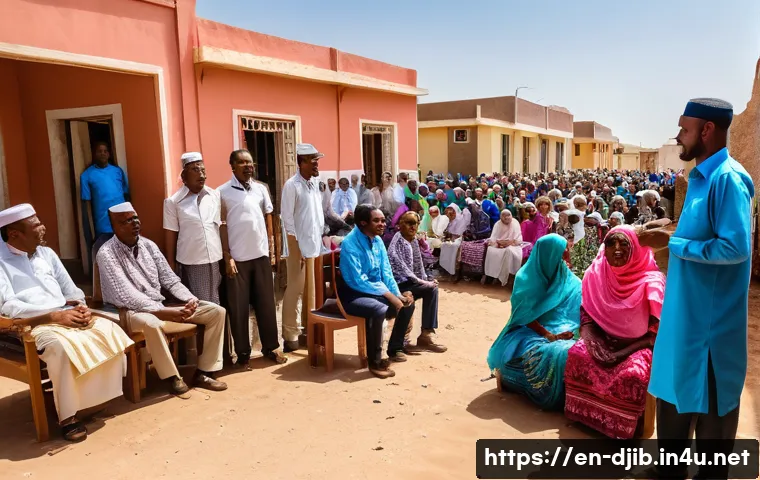
In Djibouti, social cohesion and leadership at the community level are vital for effective disaster response. Local elders, religious figures, and elected representatives often coordinate preparedness activities and disseminate vital information.
I found that these social networks foster trust and collective action, which can be lifesaving during emergencies. Their involvement also helps tailor interventions to cultural norms and local realities, enhancing acceptance and effectiveness.
Empowering Vulnerable Groups
Special attention is given to vulnerable populations such as women, children, and persons with disabilities. Programs aim to include these groups in planning and response efforts, ensuring their specific needs are met.
I was heartened to see initiatives that train women as disaster volunteers and leaders, challenging traditional gender roles and strengthening overall resilience.
Inclusive engagement not only improves outcomes but also builds social equity within communities.
Building Long-Term Resilience Through Education
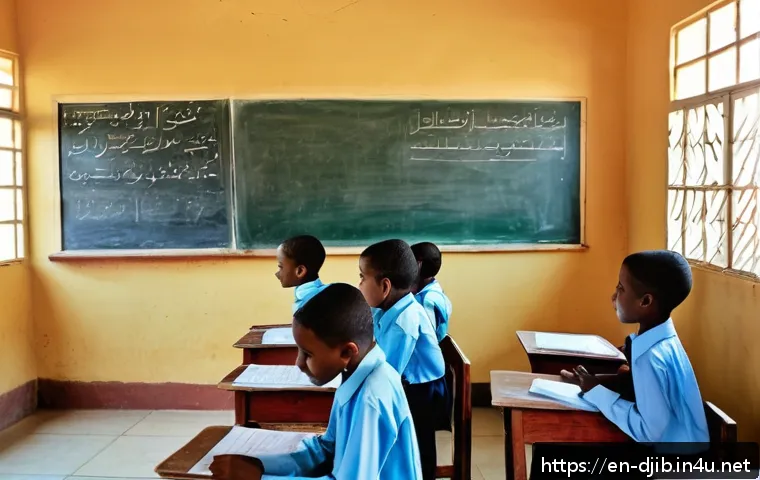
Education campaigns in schools and community centers emphasize risk reduction and preparedness from an early age. This long-term approach fosters a culture of safety that can persist across generations.
Personal stories I encountered highlight how children who learn about disasters at school often become advocates in their families, spreading knowledge and encouraging safer practices.
Investing in education is one of the most sustainable ways to fortify Djibouti’s capacity to cope with natural hazards.
글을 마치며
Djibouti’s unique geological and climatic challenges require a multifaceted approach to disaster preparedness and resilience. Through a blend of traditional knowledge, technological advances, and international cooperation, the country is gradually strengthening its capacity to face earthquakes, droughts, and floods. Community engagement remains at the heart of these efforts, ensuring that preparedness is both practical and culturally relevant. While challenges persist, ongoing initiatives offer hope for a safer and more resilient future for all Djiboutians.
알아두면 쓸모 있는 정보
1. Djibouti’s location on the East African Rift makes it prone to unpredictable earthquakes, requiring continuous community education and robust infrastructure.
2. Solar-powered desalination and rainwater harvesting are innovative responses helping to alleviate severe water scarcity in this arid region.
3. Flood risks, though less frequent, are increasingly significant due to rapid urbanization and inadequate drainage in vulnerable areas.
4. International partnerships play a crucial role in building local disaster management capacities but need alignment with community priorities for lasting impact.
5. Mobile technology and social networks are vital tools for emergency communication, especially in urban centers, but rural connectivity remains a challenge.
핵심 내용 요약
Djibouti faces significant natural disaster risks including earthquakes, drought, and flooding, each demanding tailored preparedness strategies. Community-driven education and traditional practices are key to resilience, supported by gradual improvements in infrastructure and government policies. While technology and international cooperation bolster monitoring and response systems, sustaining these efforts requires strong local ownership and inclusive engagement of vulnerable populations. Ultimately, building long-term resilience depends on integrating scientific innovation with cultural understanding and ongoing capacity development.
Frequently Asked Questions (FAQ) 📖
Q: What are the primary natural disaster risks that Djibouti faces?
A: Djibouti primarily contends with seismic activity, including earthquakes, due to its location along the East African Rift system. Additionally, its arid climate leads to drought conditions, which can severely impact water availability and agriculture.
While flooding is less common, occasional flash floods can occur during rare heavy rains. These factors combined create a unique disaster risk profile that requires tailored preparedness strategies.
Q: How does Djibouti prepare for and respond to natural disasters?
A: Djibouti has been actively strengthening its disaster management framework by investing in early warning systems and community awareness programs. The government collaborates with international organizations to improve seismic monitoring and emergency response capabilities.
Local communities are often trained in basic disaster response techniques, and infrastructure improvements aim to enhance resilience. However, resource constraints sometimes limit the speed and scale of these efforts, making international cooperation vital.
Q: What challenges does Djibouti face in building disaster resilience?
A: One of the biggest challenges is balancing limited financial resources with the need for comprehensive disaster risk reduction. The country’s harsh environment and sparse population distribution also complicate logistics and communication during emergencies.
Moreover, public awareness can vary, so continuous education is essential to ensure communities know how to act when disaster strikes. Despite these hurdles, Djibouti’s strategic location encourages ongoing support and collaboration to bolster its resilience.