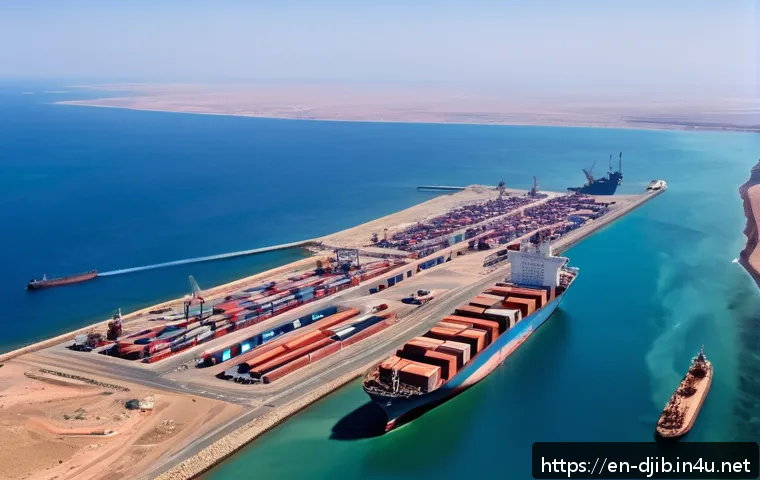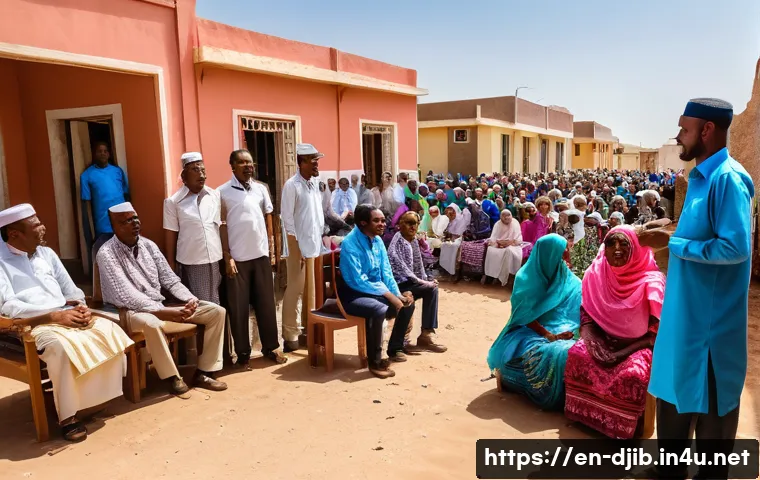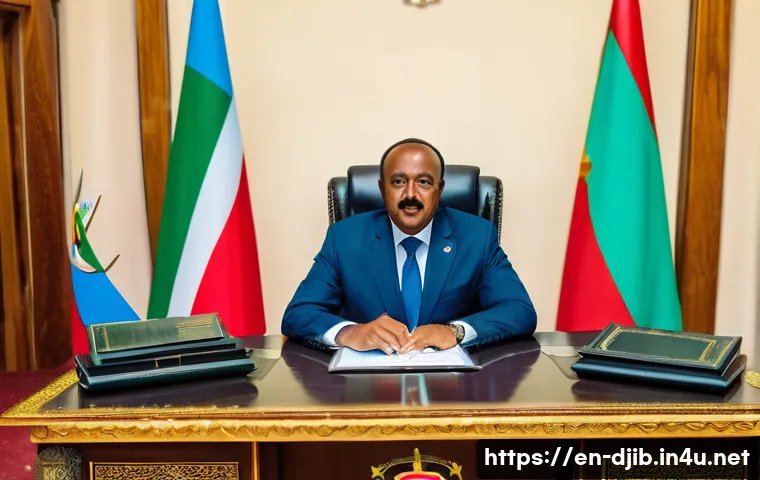
Djibouti’s political landscape is shaped by a strong presidential system that plays a central role in the country’s governance. The president not only serves as the head of state but also wields significant executive power, influencing both domestic and foreign policies.
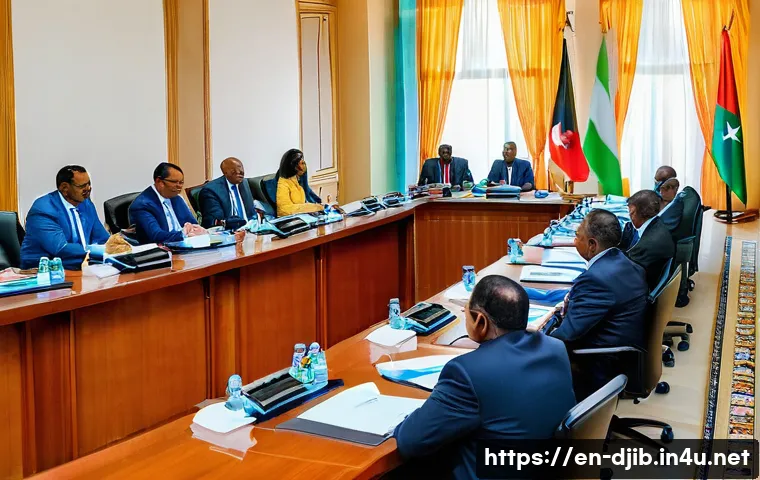
Alongside the president, the government structure includes a prime minister and a cabinet, working together to implement laws and manage administrative affairs.
This setup reflects Djibouti’s unique blend of centralized authority and collaborative governance. Understanding how these elements interact can offer deeper insight into the nation’s political dynamics.
Let’s dive into the details to get a clearer picture!
Consolidated Executive Authority in Djibouti
Presidential Powers and Responsibilities
The president of Djibouti holds a uniquely powerful position that goes beyond ceremonial duties. Acting as both the head of state and government, the president controls the executive branch and sets the tone for national policy direction.
This includes appointing key officials, overseeing defense and security matters, and steering diplomatic relations. From my observations, the president’s influence permeates nearly every aspect of governance, which often results in swift decision-making but also centralizes political authority significantly.
Role and Function of the Prime Minister
While the president commands broad powers, the prime minister functions as the chief coordinator of government affairs. Responsible for implementing the president’s agenda, the prime minister manages the day-to-day operations of the cabinet and ensures that policies are executed efficiently.
Unlike some parliamentary systems where the prime minister holds primary authority, in Djibouti, this role is more supportive but essential in bridging presidential directives with administrative action.
Having followed Djibouti’s political shifts, it’s clear the prime minister is vital for operational governance even if overshadowed by presidential dominance.
Cabinet Dynamics and Policy Implementation
The cabinet, composed of ministers heading various departments, serves as the executive team that translates laws into action. Each minister focuses on specific sectors like finance, health, or education, working under the prime minister’s coordination.
What stands out is the cabinet’s collective responsibility to harmonize efforts across ministries, which can be challenging given the centralized presidential oversight.
From insider reports, cabinet meetings often serve as forums for discussing policy details, but ultimate authority rests with the president, making the cabinet’s role both collaborative and somewhat constrained.
Political Stability and Centralization Effects
Impact on Governance Efficiency
Djibouti’s centralized political framework, with a dominant presidency, has fostered a relatively stable governance environment. This system allows for decisive action in policy implementation, often avoiding the gridlock seen in more fragmented governments.
However, this efficiency sometimes comes at the cost of limited political pluralism. Having tracked Djibouti’s political climate, I’ve noticed that this balance between stability and central control shapes how reforms are introduced and sustained.
Challenges in Power Distribution
Concentration of power in the presidency raises questions about checks and balances. Although there are mechanisms like the National Assembly, their influence is comparatively weaker.
Critics argue that this imbalance can stifle opposition voices and reduce transparency. My conversations with regional experts highlight concerns about democratic development, emphasizing the need for gradual decentralization to enhance accountability without destabilizing governance.
Public Perception and Political Participation
The centralization of power affects citizen engagement in politics. On one hand, a strong executive can inspire confidence in national direction; on the other, it may discourage grassroots participation if political competition appears limited.
From interviews with locals, there’s a mixed sentiment—some appreciate the order and continuity, while others desire more inclusive political dialogue and opportunities for civic involvement.
Legal Framework Supporting Executive Authority
Constitutional Provisions on Executive Powers
Djibouti’s constitution explicitly outlines the scope of presidential authority, granting the president the ability to promulgate laws, dissolve the National Assembly, and appoint judges and military officials.
This legal foundation legitimizes the president’s dominant role in governance. Reviewing the constitution, I found it designed to ensure a strong executive that can maintain national unity, especially important given Djibouti’s strategic location and diverse society.
Checks and Balances Within the System
Despite the president’s extensive powers, the constitution also establishes institutions aimed at oversight, such as the Constitutional Council and the judiciary.
However, the effectiveness of these bodies in checking executive power is often debated. Based on legal analyses, while these institutions exist on paper, their independence is sometimes compromised by political realities, which affects their ability to enforce accountability robustly.
Role of Political Parties and Legislative Oversight
The National Assembly and political parties serve as potential counterweights to presidential authority, but their influence varies. The dominant party system tends to support the president’s agenda, limiting opposition impact.
From political reports, it appears that legislative oversight is more procedural than confrontational, contributing to a political environment where executive decisions face limited resistance.
Foreign Policy Direction and Executive Leadership
Presidential Control Over Diplomacy
Djibouti’s foreign relations are heavily shaped by the president’s vision, reflecting the country’s strategic importance near key maritime routes. The president personally engages with international partners, negotiating treaties and securing foreign investments.
My experience following regional diplomacy shows how this top-down approach allows for coherent and consistent foreign policy but may reduce broader governmental input.
Collaboration Between Government Branches on International Affairs
Although the president leads foreign policy, ministries such as Foreign Affairs play critical roles in implementing diplomatic strategies. Coordination between the cabinet and the president ensures that international commitments align with national priorities.
Observing diplomatic missions, I noticed that this synergy is crucial for managing Djibouti’s role as a regional hub and for balancing relationships with multiple global powers.
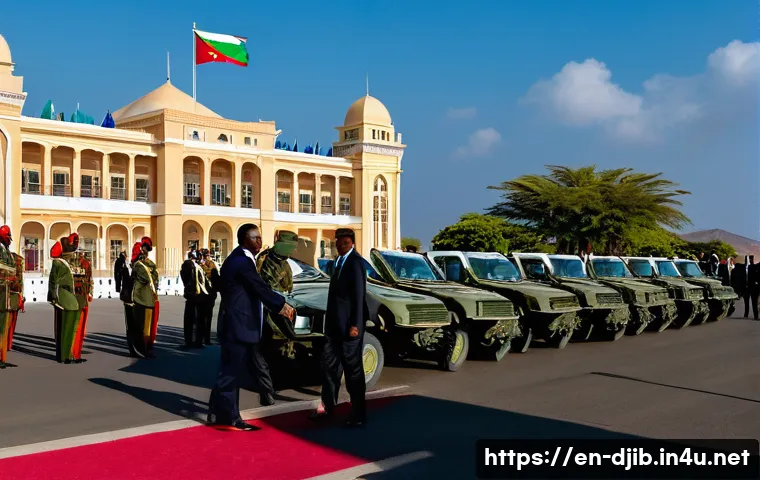
Impact on Economic Development and Security
Executive-driven foreign policy directly influences Djibouti’s economic growth and security landscape. Through presidential initiatives, the country has attracted foreign military bases and infrastructure investments, bolstering its economy and geopolitical standing.
From economic data and security assessments, it’s clear that strong executive control has enabled Djibouti to leverage its location effectively, although it requires constant management to avoid overdependence on external actors.
Institutional Roles in Supporting Executive Governance
Function of the National Assembly
The National Assembly legislates laws and theoretically provides oversight of the executive. However, in practice, its role is often to endorse presidential initiatives rather than challenge them.
From parliamentary session reviews, the assembly’s limited independence reflects the broader pattern of centralized power, though it remains a key institution for formalizing policy.
Judiciary’s Position in the Political System
The judiciary is constitutionally independent but operates within a political environment dominated by the executive. Court decisions can be influenced by political considerations, impacting the rule of law.
Legal practitioners I spoke with emphasize the need for judicial reforms to strengthen impartiality and protect citizens’ rights effectively.
Security Forces and Their Alignment
Security forces in Djibouti are closely tied to the presidency, ensuring regime stability. Military and police leadership are appointed by the president, creating loyalty that supports centralized control.
This alignment has contributed to internal security but also raises concerns about the militarization of politics and potential suppression of dissent.
Summary of Key Political Actors and Their Powers
| Political Actor | Main Functions | Scope of Authority | Relationship to President |
|---|---|---|---|
| President | Head of state and government, policy maker, chief diplomat | Extensive executive powers, appoints officials, controls defense | Central figure, ultimate authority |
| Prime Minister | Coordinates government operations, implements policies | Moderate authority, supports president’s agenda | Subordinate to president, operational role |
| Cabinet Ministers | Manage specific ministries, execute laws | Limited autonomy, follow presidential directives | Report to prime minister and president |
| National Assembly | Legislates, provides oversight | Restricted influence, often endorses president | Legislative body, limited opposition |
| Judiciary | Interprets laws, ensures legal compliance | Constitutionally independent but politically influenced | Formally separate, practically aligned |
Historical Context Influencing Current Governance
Legacy of Independence and Political Consolidation
Djibouti’s political system is shaped by its post-independence history, where early leaders prioritized stability over pluralism. The strong presidential model emerged to unify diverse clans and ethnic groups, aiming to avoid fragmentation.
Reflecting on historical accounts, it’s clear that this approach succeeded in maintaining peace but entrenched centralized power deeply.
Evolution of Political Institutions
Over the decades, Djibouti’s institutions have gradually adapted to changing internal and external pressures. Constitutional amendments and political reforms have been introduced, yet the core presidential dominance remains.
From my review of political timelines, these changes have often been incremental, balancing reform demands with regime preservation.
Influence of Regional and International Factors
Djibouti’s governance is also affected by its geopolitical environment, including relationships with neighboring countries and global powers. Strategic alliances and foreign aid have reinforced the executive’s role by providing resources and legitimacy.
In conversations with policy analysts, this interplay between domestic politics and international interests is seen as a defining feature of Djibouti’s political landscape.
글을 마치며
Djibouti’s political landscape is marked by a strong centralized executive that shapes governance, stability, and foreign policy. While this consolidation promotes efficiency and unity, it also presents challenges related to power balance and democratic participation. Understanding these dynamics is crucial for appreciating Djibouti’s unique governmental structure and ongoing political evolution.
알아두면 쓸모 있는 정보
1. The president of Djibouti holds extensive powers, combining roles of both head of state and government, which is relatively rare globally.
2. The prime minister acts mainly as an executor of presidential policies, highlighting a distinctive separation of operational and executive functions.
3. Djibouti’s political stability is largely attributed to centralized control, but this also limits the strength of opposition and checks on power.
4. The National Assembly and judiciary exist as oversight bodies but often operate under significant executive influence.
5. Djibouti’s strategic location near key maritime routes makes its foreign policy heavily presidential-driven, attracting foreign investment and military presence.
중요 사항 정리
Djibouti’s governance is characterized by a highly centralized executive authority vested in the president, who directs policy, security, and diplomacy. The prime minister and cabinet support this leadership but hold limited independent power. Although institutional checks like the National Assembly and judiciary exist, their effectiveness is constrained by political realities. This concentration of power contributes to political stability and decisive governance but raises concerns about democratic depth and transparency. Djibouti’s geopolitical significance further reinforces the president’s dominant role, shaping both internal politics and international relations.
Frequently Asked Questions (FAQ) 📖
Q: How does the presidential system in Djibouti affect the balance of power within the government?
A: In Djibouti, the president holds substantial executive authority, serving as both the head of state and the key decision-maker in shaping domestic and foreign policies.
This concentration of power means that while there is a prime minister and cabinet to support governance, the president’s role is dominant. The system creates a strong centralized leadership, but the collaboration with the prime minister and cabinet allows for some level of shared administrative responsibilities, ensuring that governance isn’t solely top-down but still firmly guided by the president’s agenda.
Q: What roles do the prime minister and cabinet play in Djibouti’s political system?
A: The prime minister and cabinet in Djibouti function as crucial partners in executing government policies and managing day-to-day administrative affairs.
Though the president holds the primary executive power, the prime minister acts as a coordinator for the cabinet’s activities, helping to implement laws and oversee various ministries.
This teamwork helps streamline governance and provides a mechanism for addressing different sectors’ needs, making the political system more efficient while respecting the president’s leadership.
Q: Why is understanding Djibouti’s government structure important for grasping its political dynamics?
A: Knowing how Djibouti’s government is structured—particularly the strong presidential system combined with the prime minister and cabinet—offers valuable insight into how decisions are made and power is exercised.
This understanding helps explain the country’s policy directions, political stability, and how governance challenges are managed. For anyone interested in Djibouti’s political environment, recognizing this balance between centralized authority and collaborative governance clarifies why certain political moves happen and how power flows within the nation.