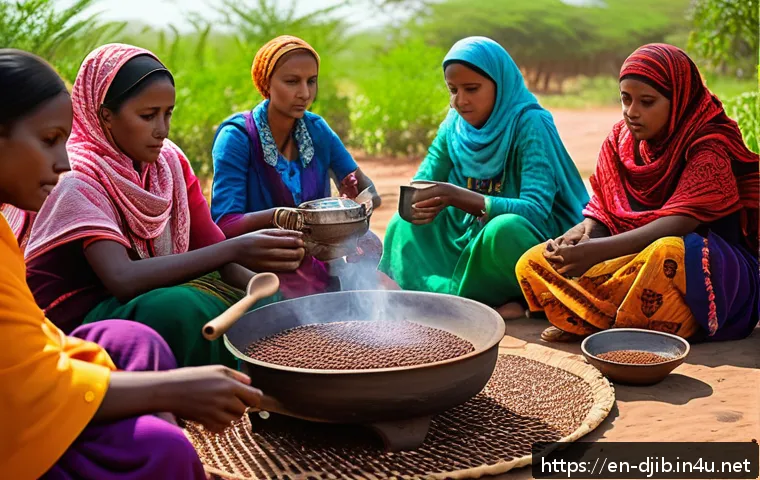
Hello, amazing readers! I’m so thrilled to share a glimpse into a corner of the world that has truly captured my heart and mind: Djibouti. This tiny nation, strategically perched at the crossroads of Africa and Arabia, is far more than just a dot on the map; it’s a vibrant tapestry woven with ancient traditions, profound faith, and a spirit of resilience that I find absolutely captivating.
If you’ve ever wondered how a rich Islamic heritage intertwines with daily life in such a unique and stunning landscape, you’re in for a real treat. I’ve personally been fascinated by how deeply Islam is integrated into every aspect of Djiboutian society, from their warm hospitality to their beautiful architecture, and trust me, it’s an experience you won’t forget.
It’s a place where history whispers through the bustling souks and the call to prayer echoes across diverse communities, creating a cultural symphony that’s both authentic and incredibly welcoming.
You might think you know the Horn of Africa, but Djibouti offers a distinct flavor, where the Shafi’i school of Islamic law promotes a balanced and moderate approach to faith, fostering a truly harmonious environment.
And let me tell you, it’s not just about the past; Djibouti is constantly evolving, yet its core Islamic traditions remain a steadfast guide, shaping everything from family values to community gatherings.
I’ve seen firsthand how these traditions foster a sense of unity and collective well-being, which is something we can all appreciate in our fast-paced world.
So, if you’re ready to peel back the layers and discover the soul of this incredible nation, prepare to be amazed. Let’s dive in and explore the fascinating world of Djibouti and its enduring Islamic traditions together.
The Daily Tapestry: Weaving Faith into Life’s Fabric
You know, one of the first things that truly captivated me when I first arrived in Djibouti wasn’t the searing heat or the stunning salt lakes, but the undeniable, pervasive sense of faith that permeates every aspect of daily existence. It’s not just something reserved for Fridays; it’s a living, breathing part of the culture, a gentle current that guides everything from how people greet each other to the pace of life itself. I remember feeling a profound sense of peace as the call to prayer, the Adhan, would gently echo across the city, five times a day. It’s an incredibly grounding experience, a reminder that amidst the hustle and bustle, there’s a deeper rhythm at play. This spiritual backbone truly sets the tone for everything, influencing interactions, fostering patience, and shaping the community’s collective heartbeat. It’s a beautiful thing to witness, and honestly, something I think many of us could learn from in our own fast-paced lives.
Morning’s Embrace: The Rhythm of Prayer
Waking up in Djibouti is an experience unlike any other, particularly with the first whisper of the Fajr prayer. Before the sun even peeks over the horizon, the melodic Adhan begins, a serene announcement that the day has begun. It’s not an abrupt jolt, but a gentle invitation to connect, to pause. I’ve personally seen how this spiritual cadence structures the day for so many. Businesses might open a little later, or families might gather for a moment of quiet reflection before the day’s demands truly kick in. It’s a testament to how deeply ingrained Islam is here, not as a rigid set of rules, but as a comforting, unifying presence. This consistent rhythm of prayer isn’t just about individual devotion; it crafts a shared schedule, a collective understanding that binds the community, offering moments of peace and reflection throughout even the busiest of days.
From Souk to Home: Islamic Principles in Commerce and Community
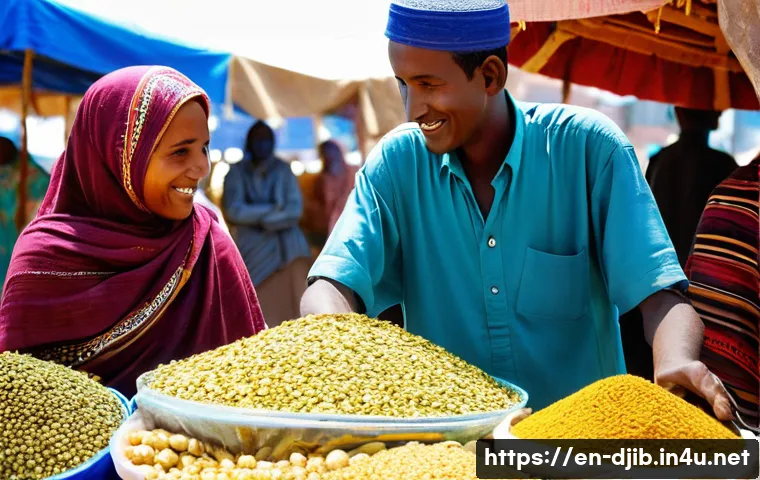
Walking through the bustling souks of Djibouti City, you’ll quickly notice that commerce isn’t just about transactions; it’s often imbued with a spirit of fairness and community, principles deeply rooted in Islamic teachings. I’ve had countless conversations with vendors who, while certainly keen to make a sale, always seem to prioritize respect and a genuine connection. There’s an emphasis on ethical dealings and trust, which really makes you feel comfortable, even as a visitor. Beyond the marketplace, in homes and neighborhoods, hospitality is an art form. It’s not uncommon to be invited for tea or a meal, even by someone you’ve just met. This isn’t just politeness; it’s an extension of the Islamic tradition of generosity and welcoming guests, a virtue I found truly heartwarming and incredibly humbling. It really makes you feel like you’re part of something bigger, a true community.
Echoes of Heritage: Djibouti’s Enduring Islamic Roots
If you’re anything like me, you love to dig into the historical layers that shape a place, and Djibouti’s Islamic heritage is incredibly rich and fascinating. It’s not just a recent addition; Islam arrived here incredibly early, practically at its inception, and has been a cornerstone of the region ever since. You can feel this history pulsating through the old quarters of towns, in the ancient graveyards, and even in the subtle architectural nuances that speak of centuries of faith. It’s a testament to the resilience and deep conviction of the Djiboutian people that these traditions have been preserved and continue to thrive, even as the world around them rapidly changes. What I found particularly striking is how this historical depth informs modern life, providing a strong sense of identity and continuity that’s truly admirable. It’s like the very stones whisper tales of prophets and pioneers.
Ancient Pathways: The Arrival of Islam
The story of Islam’s arrival in Djibouti is a truly ancient one, tracing back to the earliest days of the faith, making this region one of the first in Africa to embrace it. It’s said that early Muslim refugees, fleeing persecution in Mecca, found solace and acceptance here, long before Islam spread widely. This historical connection lends an incredible gravitas to the local Islamic practices. The indigenous Afar and Somali communities, who make up the majority of Djibouti’s population, have long been adherents of Islam, shaping its unique cultural expression. This isn’t just textbook history for them; it’s a living legacy passed down through generations, influencing everything from tribal customs to storytelling. Knowing this backstory makes every interaction and observation feel so much richer, connecting you to a lineage that spans over a millennium. It’s truly incredible how deeply rooted this faith is.
Guardians of Heritage: Preserving Djibouti’s Islamic Past
I’ve always been fascinated by how cultures safeguard their heritage, and in Djibouti, the preservation of Islamic traditions is a vibrant, ongoing effort. It’s not just about preserving old mosques, though there are many beautiful, historic ones. It’s about maintaining a way of life, an ethical framework, and a collective memory. Local scholars, community leaders, and even families play a crucial role in passing down religious knowledge, stories, and customs from one generation to the next. What really impressed me was the oral tradition—the storytelling, the poetry, and the songs that often carry deep spiritual messages and historical accounts. This commitment to continuity ensures that the profound Islamic heritage of Djibouti isn’t just relegated to museums but remains a dynamic, living force that shapes the present and guides the future. It truly feels like everyone is a custodian of their rich past.
Beyond the Facades: Islam’s Role in the Social Fabric
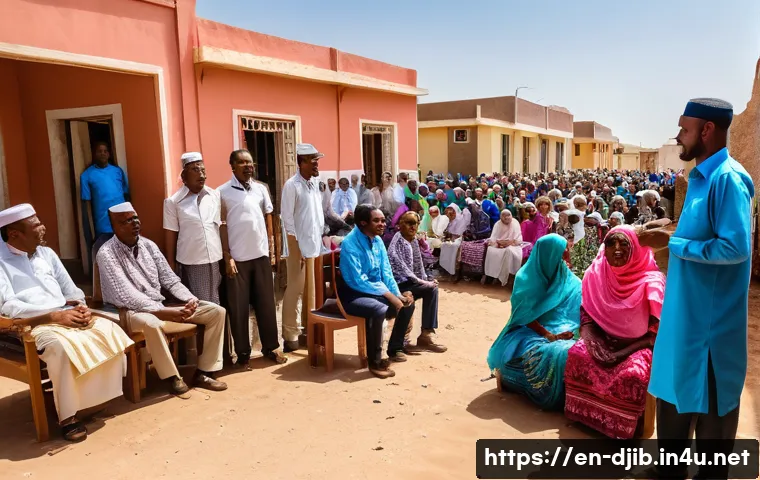
It’s easy to look at a country and see just its infrastructure or its natural beauty, but to truly understand Djibouti, you have to look beyond the surface and appreciate the intricate social fabric woven by Islam. It’s not just a personal belief; it’s a communal blueprint, guiding interpersonal relationships, fostering generosity, and establishing a strong sense of collective responsibility. I’ve often thought about how seamlessly these principles are integrated into everyday life, making it such a welcoming and cohesive society. You see it in the way neighbors look out for each other, in the immediate support offered during times of need, and in the sheer warmth of their interactions. This collective spirit, underpinned by faith, creates an environment where individuals feel truly connected and supported, which is honestly something we could all use a bit more of in today’s world. It’s a genuine, palpable sense of belonging.
Family First: The Cornerstone of Society
In Djiboutian society, much like in many Islamic cultures, the family unit is unequivocally the cornerstone, and I’ve seen firsthand how deeply this value is held. Extended families often live in close proximity, and there’s a profound respect for elders that is truly heartwarming to witness. Islamic teachings heavily emphasize family ties, reverence for parents, and the importance of nurturing children, and these values are palpable here. It’s not just about the nuclear family; cousins, aunts, uncles, and grandparents form a robust support network. This interconnectedness means that during celebrations, everyone comes together, and in times of hardship, no one is left alone. For me, coming from a more individualistic culture, it was a refreshing reminder of the strength and comfort that comes from such strong communal bonds, making you feel like you’re always part of something secure.
A Guiding Light: Sharia and Local Customs
When we talk about the influence of Islam, it’s natural to think of Sharia law. In Djibouti, the Shafi’i school of Islamic jurisprudence is prevalent, and what’s interesting is how it harmoniously coexists with local customs and traditions. It’s not a rigid, monolithic imposition but rather a framework that guides ethical behavior, personal conduct, and family matters, often with a focus on justice and community well-being. I found it fascinating to observe how these principles inform daily life, from business dealings to conflict resolution within communities. Local customs often blend seamlessly with Islamic tenets, creating a unique synthesis that reflects the specific cultural landscape of Djibouti. It’s a nuanced approach that prioritizes balance and moderation, ensuring that faith serves as a constructive force within society, guiding people toward virtuous living without stifling their rich cultural identity.
Feasts and Festivals: Celebrating Faith with Flavor
If you ask me, one of the most delightful ways to experience a culture is through its food and its celebrations, and Djibouti’s Islamic festivals are an absolute treat for both the senses and the soul! These aren’t just religious observances; they’re vibrant community gatherings, filled with joyous laughter, delicious aromas, and an incredible sense of shared happiness. I’ve had the immense pleasure of experiencing a few of these, and trust me, the energy is infectious. It’s a time when the community truly shines, opening their homes and hearts to one another, and often, to curious visitors like me. The meticulous preparations, the special dishes, and the shared prayers all contribute to an atmosphere of profound communal bonding that leaves a lasting impression. You really feel the collective spirit and generosity come alive during these times.
Sharing a Meal: The Essence of Djiboutian Generosity
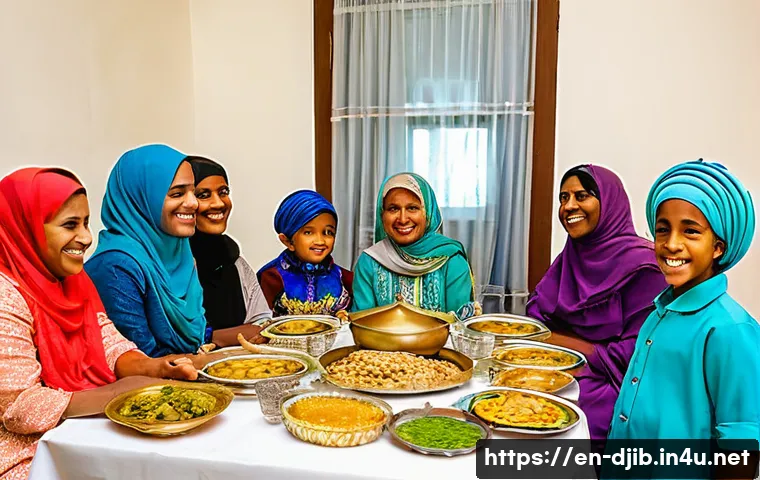
I’ve mentioned Djiboutian hospitality before, but it truly reaches its pinnacle during the celebration of Eid. The generosity extended through food is just incredible. Households prepare lavish meals, and it’s almost an expectation to share with neighbors, friends, and anyone who might drop by. I remember being overwhelmed by the sheer abundance and variety of dishes, from rich stews to aromatic rice, all prepared with such love and care. It’s more than just eating; it’s an act of giving, of connecting, and of expressing gratitude. This culinary sharing isn’t limited to large festivals either; even in daily life, inviting someone for a cup of tea or a simple meal is a common gesture of warmth. It’s a tradition that truly embodies the Islamic principle of sharing wealth and blessings with others, creating a constant flow of goodwill within the community.
Feasts and Festivals: Food as a Celebration of Faith
The major Islamic holidays, particularly Eid al-Fitr and Eid al-Adha, transform Djibouti into a kaleidoscope of celebration. Eid al-Fitr, marking the end of Ramadan, is a particularly joyful occasion. After a month of fasting and spiritual reflection, the feasting begins! Families don their finest clothes, exchange gifts, and, of course, share incredible meals. Eid al-Adha, the Festival of Sacrifice, also involves significant feasting and charitable giving, particularly of meat to those in need. What struck me most about these festivals is how food isn’t just sustenance; it’s a central component of the celebration of faith itself. It’s a tangible expression of gratitude, a means of strengthening family bonds, and a way to extend kindness and charity. Experiencing these feasts, you don’t just taste the delicious flavors; you taste the rich history and the deep-seated spiritual joy that permeates Djiboutian culture.
Navigating the New: Faith in a Changing World
It’s truly a global phenomenon how rapidly our world is changing, and Djibouti is no exception. As a strategically important nation, it’s increasingly connected to the global economy and new influences are constantly at play. What I find incredibly compelling is how Djiboutians navigate this modernity while holding steadfast to their Islamic traditions. It’s not about resisting change blindly; it’s about thoughtfully integrating new ideas and technologies in a way that aligns with their core values. I’ve seen younger generations, particularly, striking this balance beautifully, embracing education and technology while remaining deeply rooted in their faith and cultural identity. It’s a dynamic process, and frankly, it’s inspiring to witness such a thoughtful and adaptive approach to progress, ensuring that their heritage remains vibrant in a constantly evolving landscape. It’s a powerful example of how tradition can be a compass, not an anchor.
Youth and Tradition: Bridging the Generations
One of the most interesting dynamics I observed in Djibouti was how the younger generation interacts with their rich Islamic heritage. You might expect a clash, but what I saw was more of a thoughtful integration. Young Djiboutians are just as tech-savvy as their global counterparts, active on social media, and engaged with international trends. Yet, they remain deeply respectful of their elders and committed to their faith. Parents and community leaders play a vital role in imparting Islamic knowledge and cultural values, often through informal storytelling and participation in religious events. I found that many young people actively seek out ways to apply Islamic principles to modern challenges, showing a strong sense of responsibility towards their traditions. This bridging of generations, where wisdom is passed down and reinterpreted for a new age, is a crucial part of how Djibouti’s Islamic identity remains robust and relevant.
Education’s Role: Islamic Learning in Contemporary Djibouti
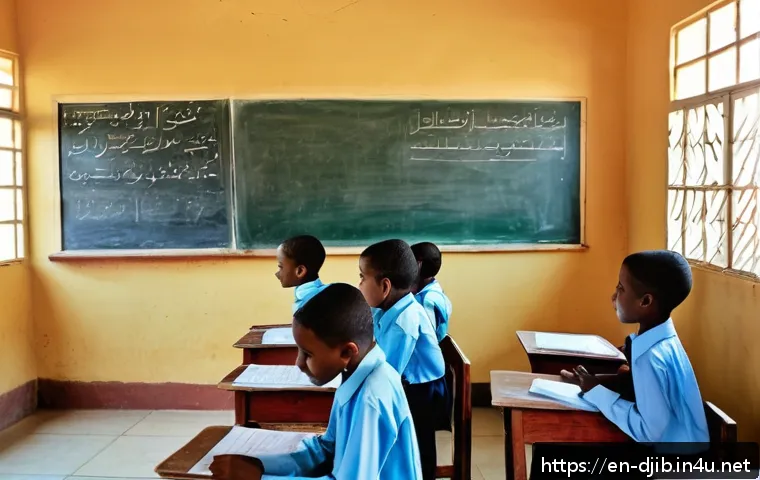
Education is a powerful tool, and in Djibouti, Islamic learning plays a significant role alongside secular education. While the formal schooling system covers a broad curriculum, religious education is deeply valued, often starting from a young age in Quranic schools (madrasas) or within the family. I’ve spoken with many parents who prioritize ensuring their children understand the Quran and the Sunnah, not just for spiritual reasons, but also for moral guidance and cultural understanding. This dual educational approach helps instill strong ethical frameworks and a deep appreciation for their heritage, even as students pursue modern academic and professional paths. It’s a pragmatic and holistic view of education, recognizing that true growth encompasses both intellectual development and spiritual grounding, preparing individuals to thrive in a complex world while remaining true to their core values.
The Art of Giving: Philanthropy and Community Spirit
There’s a beautiful, quiet hum of generosity that resonates through Djibouti, deeply rooted in the Islamic concept of charity and community support. It’s not just something that happens during major holidays; it’s an intrinsic part of daily life, a constant, gentle flow of kindness. I’ve been touched by the genuine willingness of people to help those less fortunate, often without any fanfare or expectation of recognition. This collective compassion truly strengthens the bonds between people and creates a safety net for the vulnerable. It’s a powerful reminder that community isn’t just about sharing space; it’s about sharing burdens and joys, and actively working towards the well-being of everyone. For me, witnessing this profound generosity has been one of the most heartwarming aspects of my time there, making me reflect on how we can foster a similar spirit in our own communities.
Zakat and Sadaqah: Daily Acts of Kindness
The Islamic principles of Zakat (obligatory charity) and Sadaqah (voluntary charity) are incredibly visible and active in Djibouti. It’s not just an annual calculation; it often translates into daily acts of kindness and spontaneous giving. I’ve seen individuals discreetly offering help to those in need, whether it’s sharing food, offering small financial assistance, or simply extending a helping hand. This emphasis on giving extends beyond monetary contributions; it includes offering your time, your skills, or even just a kind word. What I found particularly impactful is that it’s often done with humility and sincerity, embodying the spirit of doing good for the sake of goodness itself. This pervasive culture of philanthropy fosters a strong sense of social responsibility, ensuring that compassion remains at the forefront of community interactions, making the society feel truly interconnected and caring.
Collective Care: Supporting the Vulnerable
In Djibouti, the support for the vulnerable members of society isn’t left solely to official institutions; it’s a collective responsibility deeply embedded in Islamic teaching. Orphans, widows, and those facing hardship are often looked after by their extended families and the broader community, embodying the principle of mutual support. I’ve observed various informal networks and community initiatives that spring up to address specific needs, fueled by a collective desire to ensure no one is left behind. This ethos of collective care means that social safety nets are strengthened by active participation from individuals and groups, often driven by their faith. It’s a powerful testament to how religious principles can translate into practical, tangible support, fostering a society where empathy and solidarity are not just ideals, but lived realities, providing a true sense of security for everyone.
Beyond Borders: Djibouti’s Global Islamic Connections
You might think of Djibouti as a small nation, but its position at the Bab-el-Mandeb strait means it’s been a crossroads of cultures and ideas for centuries, and this includes its deep connections to the wider Islamic world. Its strategic location has historically made it a hub for trade, pilgrimage, and intellectual exchange, linking it seamlessly with the Arabian Peninsula, other parts of Africa, and even further afield. I found it fascinating to see how these historical ties continue to influence everything from architecture to cuisine, and even the daily conversations you overhear. It’s a beautiful example of how faith transcends geographical boundaries, creating a sense of global community and shared heritage that enriches Djiboutian society in countless ways. It truly underscores the idea that we are all part of a larger, interconnected human tapestry, especially when bound by shared beliefs and traditions.
Pilgrimage and Pan-Africanism: Ties to the Wider Muslim World
Djibouti’s connection to the wider Muslim world is palpable, not least through the annual Hajj pilgrimage to Mecca. For many Djiboutians, this journey is a lifelong aspiration, representing a profound spiritual duty and a connection to the global Ummah. The returning pilgrims bring back not only spiritual rejuvenation but also stories, cultural insights, and a renewed sense of belonging to a larger Islamic brotherhood. Beyond the Hajj, Djibouti’s geographical position has historically fostered strong ties with other Muslim-majority nations in the Horn of Africa and the Arabian Peninsula, leading to a rich exchange of ideas, traditions, and even family connections. This pan-African and pan-Arab Islamic identity is a significant aspect of Djiboutian culture, shaping its worldview and reinforcing its sense of shared heritage and destiny with a vast global community.
Cultural Exchange: Influences from Near and Far
Because of its vital position, Djibouti has always been a melting pot, absorbing influences from various Islamic cultures. This is beautifully reflected in its mosques, which often display architectural elements common in Yemen or other parts of the Arabian Peninsula, alongside unique local interpretations. The culinary scene, too, tells a story of cultural exchange, with dishes and spices that hint at historical trade routes and interactions with diverse Muslim communities. What’s truly remarkable is how these external influences are not just adopted but are seamlessly integrated and localized, creating something uniquely Djiboutian. I’ve loved spotting these subtle (and sometimes not-so-subtle) nods to broader Islamic artistry and thought, which add layers of depth and richness to the everyday landscape, making every street corner feel like a chapter in a long, captivating story of global connections.
| Aspect of Life | Islamic Tradition in Djibouti |
|---|---|
| Daily Rhythm | The rhythm of life is punctuated by the five daily prayers (Salat), a spiritual anchor that structures the day from dawn to dusk. The Adhan serves as a unifying call across the nation. |
| Community & Family | Strong emphasis on extended family ties and mutual support. Islamic teachings promote respect for elders, care for children, and a robust network of communal solidarity that truly binds people. |
| Hospitality | Generosity (Diyāfah) towards guests is a cornerstone, deeply rooted in Islamic tradition. Sharing meals, tea, and offering assistance to visitors is a common and cherished practice. |
| Dietary Practices | Adherence to Halal dietary laws is universal. This is a fundamental aspect of daily life, influencing everything from local markets to restaurant offerings. |
| Festivals | Major Islamic holidays like Eid al-Fitr and Eid al-Adha are vibrant community celebrations filled with prayer, family gatherings, feasting, and extensive charitable giving. |
| Moral Conduct | Islamic ethics guide personal and communal conduct, emphasizing honesty, integrity, and compassion in all dealings, from business to interpersonal relationships. |
Wrapping Up Our Journey
As we draw our exploration of Djibouti’s vibrant Islamic heart to a close, I find myself reflecting on the profound impact this unique nation has had on me. It’s more than just a place on a map; it’s a living testament to faith, community, and an enduring spirit that truly touches your soul. I hope that through these insights, you’ve gained a deeper appreciation for the rich tapestry woven by Islamic traditions in daily Djiboutian life. The warmth of the people, their unwavering generosity, and the graceful way they navigate a rapidly changing world while holding onto their core values—it’s truly inspiring. My time here has been an incredible lesson in humanity, reminding me of the beauty found in shared beliefs and the strength of a truly connected community. It’s an experience I’ll carry with me always, and one I sincerely hope you get to witness firsthand someday. Until then, keep an open heart and a curious mind, ready to embrace the wonders of our diverse world.
Handy Tips for Your Djiboutian Adventure
Planning a trip to Djibouti, or just curious about diving deeper into its culture? Here are a few invaluable tips I picked up along my journey that I wish I’d known from the get-go:
1. Embrace the rhythm: Life moves at a different pace here, often dictated by prayer times. Don’t rush; allow yourself to slow down and truly immerse in the local flow. You’ll find a lot more joy in letting go of your usual fast-paced expectations. It’s a wonderful lesson in patience.
2. Dress respectfully: While Djibouti is relatively relaxed, especially compared to some other Muslim-majority nations, showing respect for local customs through your attire goes a long way. For women, modest clothing, particularly covering shoulders and knees, is always appreciated. For men, shorts are generally fine in informal settings, but trousers are more appropriate for official places or religious sites.
3. Hydration is key: This one sounds obvious, but the Djiboutian heat is no joke! Always carry plenty of water. I made the mistake of underestimating it once and learned my lesson quickly. Staying hydrated helps you enjoy exploring without feeling drained, believe me!
4. Learn a few phrases: While Arabic and French are widely spoken, even a few words of Somali or Afar (like “Maalin wanaagsan” for good morning) will open doors and smiles. Locals genuinely appreciate the effort, and it’s a fantastic way to connect on a deeper level. Plus, it makes navigating markets a bit more fun!
5. Savor the cuisine: Don’t leave without trying the local dishes! From delicious Skoudehkaris (rice and meat stew) to fresh seafood and strong, sweet tea, the food here is a delightful blend of influences. Be adventurous with your palate; your taste buds will thank you. I discovered so many unexpected delights!
Key Takeaways from Djibouti’s Enduring Faith
Reflecting on my incredible journey through Djibouti, several profound insights stand out, painting a vivid picture of a nation deeply rooted in its Islamic faith. First and foremost, Islam isn’t merely a religion here; it’s the very heartbeat of daily life, shaping everything from morning greetings to evening meals, fostering a consistent rhythm that offers both structure and solace. This pervasive faith cultivates an extraordinarily strong sense of community and family, where generosity, mutual support, and profound respect for elders are not just ideals but lived realities, creating a truly interconnected society. Furthermore, Djibouti beautifully showcases how ancient traditions can gracefully adapt to the modern world, with younger generations balancing technological advancement with unwavering spiritual commitment. What truly resonated with me was the unwavering spirit of hospitality and genuine kindness that permeates every interaction, a testament to the deep-seated Islamic principles of charity and compassion. It’s a powerful reminder of how faith can unify, uplift, and create a resilient, welcoming social fabric that leaves an indelible mark on anyone fortunate enough to experience it.
Frequently Asked Questions (FAQ) 📖
Q: How does Islam weave itself into the everyday tapestry of life in Djibouti?
A: Oh, this is such a fantastic question, and one I’ve personally pondered a lot! From what I’ve seen and experienced, Islam isn’t just a religion in Djibouti; it’s the very soul of the nation, permeating nearly every aspect of daily life.
Imagine waking up to the beautiful call to prayer, the Adhan, echoing across the city – it’s a constant, comforting reminder of faith’s presence. Islam deeply influences social customs, like their incredible hospitality, which truly touched my heart.
People here are so welcoming, and I’ve felt that generosity firsthand. It shapes how families interact, the respect shown to elders, and the strong sense of community solidarity that binds everyone together.
Even the rhythm of the day is often set by Islamic practices. Businesses might pause for prayer, especially on Fridays, which is the most significant day for congregational prayers.
When you stroll through the bustling souks, you’ll notice the traditional attire – men in their jalabiyas and turbans, women gracefully wearing hijabs and diracs – reflecting a deep adherence to customs.
And oh, the food! Djiboutian cuisine is a delicious blend of local flavors and Islamic dietary laws, with mouth-watering halal dishes like ‘skoudehkaris’ (spiced rice with meat) that I absolutely adored.
Education, too, has a strong Islamic component, with children attending Madrasas to learn Arabic and study the Quran, which I think is just wonderful for preserving their heritage.
It’s a truly harmonious blend of faith and daily existence, creating a culture that is both profound and incredibly vibrant.
Q: What makes Djibouti’s approach to Islamic traditions particularly distinctive?
A: That’s a really insightful question, and something I found quite fascinating during my time there. What struck me as truly distinctive about Djibouti’s Islamic traditions is its strong adherence to the Shafi’i school of Islamic law.
This isn’t just a technical detail; it translates into a remarkably balanced and moderate approach to faith in everyday life. From my perspective, this intellectual framework fosters an environment where faith and modern living gracefully intertwine.
It’s less about rigid interpretations and more about finding a flexible path that respects both religious principles and practical realities. I also learned that while the majority are Sunni Muslims following the Shafi’i school, there’s a significant presence of non-denominational Muslims, many belonging to Sufi orders.
The beautiful thing is that these Sufi communities live in harmony with the Sunni majority, adding another rich layer to the country’s spiritual tapestry.
I observed a profound sense of religious tolerance and interfaith harmony, even though Islam is the state religion. The government actively promotes a “moderate Islam” and oversees religious institutions, which helps maintain this peaceful and inclusive atmosphere.
It’s truly a unique blend where ancient traditions meet a forward-thinking, adaptable interpretation of faith, fostering a deep sense of unity.
Q: For visitors like us, how can we respectfully immerse ourselves in Djibouti’s rich Islamic culture?
A: This is so important, and honestly, it’s one of the most rewarding parts of traveling to a place like Djibouti! From my experience, the key is always respect and an open heart.
First and foremost, modest dress is highly advisable. For women, this means covering your shoulders and knees, especially when you’re in traditional neighborhoods or visiting religious sites like mosques.
I found that dressing respectfully not only shows your appreciation for their culture but also helps you blend in more comfortably. Being mindful of prayer times is another big one.
You’ll hear the call to prayer throughout the day, and it’s respectful to avoid making a lot of noise or interrupting those who are praying. If you happen to visit during Ramadan, remember that Muslims fast from sunrise to sunset, so it’s best to avoid eating, drinking, or smoking in public during fasting hours as a sign of respect.
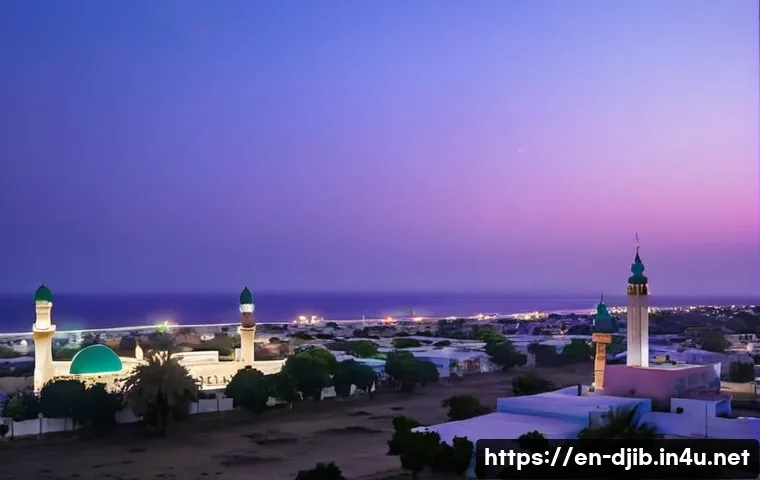
When you’re sharing a meal or shaking hands, remember to always use your right hand, as the left is considered unclean in Islamic customs. I highly recommend visiting iconic sites like the Hamoudi Mosque in Djibouti City.
While non-Muslims typically can’t enter the main prayer hall, you can certainly admire its stunning architecture from the outside and soak in the spiritual atmosphere of the surrounding area.
Exploring the local markets, or souks, is another fantastic way to experience the culture and interact with locals. Just be open, friendly, and remember to engage with curiosity rather than judgment, especially when it comes to sensitive topics like politics or religion.
The Djiboutian people are incredibly hospitable, and by showing respect for their traditions, you’ll unlock an even more enriching and unforgettable travel experience!