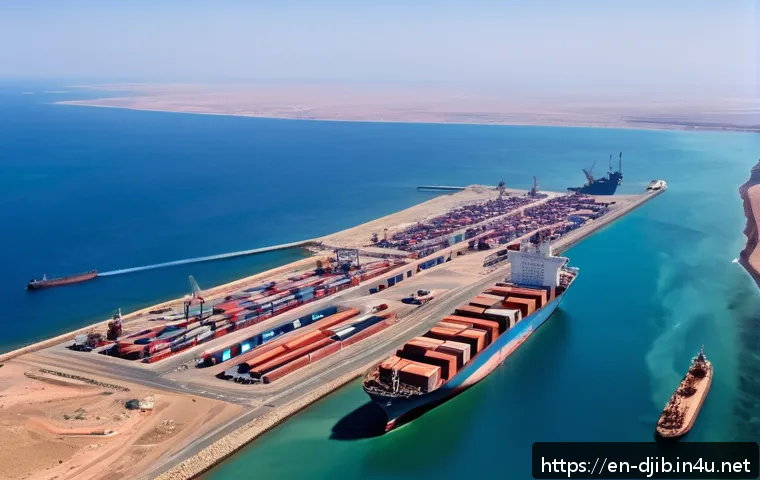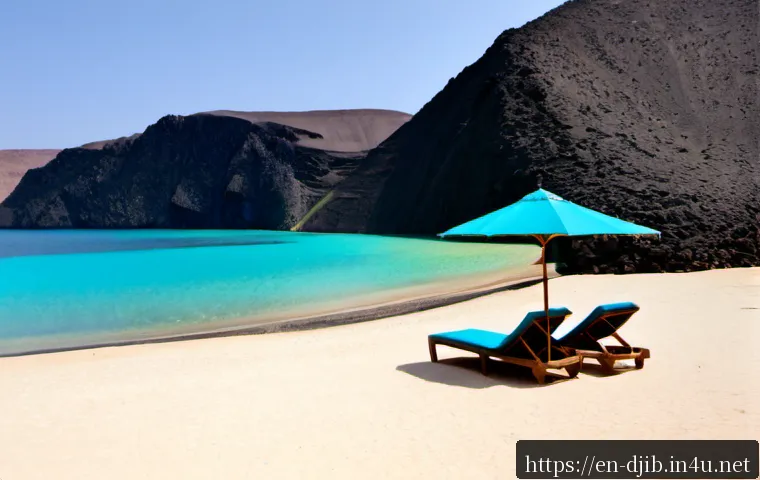
“Assal Beach” in Djibouti may describe a shoreline stop around Lake Assal, not a conventional resort beach. Confirm the exact destination, access route, and current shoreline conditions before arranging transport.

For many visitors, a shared excursion, private 4×4, or local guide service can simplify a remote day trip, but the best option depends on timing, comfort, and backup planning.
Compare what is included rather than judging a booking only by its advertised price. A reliable vehicle, clear pickup terms, water planning, and cancellation conditions can matter more than extra itinerary features.
Treat the visit as a remote salt-lake outing and prepare for limited facilities unless your provider confirms otherwise.
At a Glance
- “Assal Beach” may refer to a Lake Assal shoreline area or a tour-provider label, so confirm the exact stop before booking.
- Access, road conditions, swimming suitability, and available facilities should be verified close to your travel date.
- A guided tour or private 4×4 can be worth considering when you want clearer transport planning, local support, and a more flexible emergency plan.
| Option | Best Use Case | Main Decision Factors | Questions to Ask |
|---|---|---|---|
| Shared excursion | Travelers who prefer a simpler planned outing and do not need full control of the schedule | Group timing, included stops, pickup arrangement, guide support | Where is pickup? What is included? What happens if conditions change? |
| Private driver or 4×4 tour | Small groups, photographers, or visitors who value a flexible pace | Vehicle condition, driver experience, route flexibility, cancellation terms | Is the vehicle suitable for the route? Is water provided? Can the itinerary be adjusted? |
| Self-arranged transport | Experienced independent travelers comfortable managing logistics | Route knowledge, communication, heat preparation, backup transport | What access is currently open? Where are support points? What is the return plan? |
What Visitors Usually Mean by “Assal Beach”
The phrase Assal Beach can be unclear. It may mean a particular shoreline area around Lake Assal, a general salt-lake stop, or simply a name used by a tour operator. This matters because a visitor expecting a serviced seaside beach could arrive with the wrong expectations.
Plan for a landscape-focused visit rather than assuming there will be beach facilities, swimming services, shade structures, or easy access to freshwater. The exact experience can depend on the route, the stopping point, and current local access conditions.
Why the Location Name Should Be Confirmed Before Making Plans
A booking description alone may not explain where the vehicle stops, how long the journey takes, or whether the itinerary includes the shoreline you have in mind. Ask for the destination in practical terms: the planned route, stop names, expected departure point, and whether the operator considers the visit suitable for walking near the salt-lake edge.
Do not assume that every “Assal” itinerary offers the same stop or level of support. Current road access, weather conditions, and local restrictions may affect the plan.
What to Ask a Hotel, Driver, or Tour Operator
Ask whether the itinerary reaches the Lake Assal shoreline, what type of vehicle is used, and whether pickup is from your hotel or a separate meeting point. Confirm whether drinking water, a guide, meals, and time at each stop are included. It is also sensible to ask about shade, toilet access, freshwater rinse options, and mobile coverage—but treat all of these as items to verify, not guarantees.
Getting There: Shared Tour, Private 4×4, or Independent Transport
The right transport choice is usually about reliability, flexibility, and support, not simply the lowest upfront cost. A shared Lake Assal day tour can reduce planning work, while a private driver may give a small group more control over departure time and photo stops. Independent transport can suit confident planners, but it places more responsibility on the traveler to confirm route conditions and contingency arrangements.
Comparison Table: Cost Factors, Flexibility, Support, and Suitability
Shared tours may bundle transport and guide services into one quote, making comparisons easier if the inclusions are clearly listed. Private 4×4 arrangements may have a higher headline cost but can make sense when several people share the vehicle or when schedule control is important. Self-arranged travel can appear less expensive at first, yet the real comparison should include navigation, communication, vehicle readiness, water, and a reliable return plan.
Before choosing, compare inclusions, vehicle type, pickup terms, and cancellation conditions. A quote that is brief but vague is harder to evaluate than one that clearly states what happens during route changes or delayed returns.
When Paying More for a Guide or Driver Adds Practical Value
A guide or experienced driver may add value when you have limited time in Djibouti, are unfamiliar with local transport arrangements, or want one person responsible for coordinating the day. This can be particularly useful if plans need to change due to local conditions. The value is not automatic, however: ask what support is actually included rather than assuming every guided tour provides the same level of assistance.
Budgeting for a Lake Assal Day Trip
Because current prices and permit requirements need confirmation, build your budget from written quotes instead of estimates found in old travel discussions. Ask providers to separate the major components when possible: transport, private guide service, meals, entry or permit-related charges if applicable, and any overnight accommodation connected to the route.
Costs to Request in Writing Before Booking
Request the total price, the currency used for payment, and whether the amount covers all passengers or only one person. Ask if fuel, water, meals, pickup, driver time, and schedule changes are included. If a provider mentions an additional fee, ask what it covers and when it is collected. Clear written terms reduce the risk of comparing unlike offers.
How to Compare Quotes Without Choosing on Price Alone
Start with the transport reliability question. Then compare the vehicle type, departure timing, support during the trip, and cancellation policy. A lower-priced option may be suitable if its route and inclusions match your needs, but it may not be a good value if you still need to arrange water, backup transport, or separate guide assistance.
For travel insurance, review whether your policy applies to your planned activities and transport arrangement. Insurance terms vary, so check the policy wording directly rather than relying on a general assumption.
Heat, Water, Road, and Shoreline Precautions
Remote sightseeing requires more preparation than a short visit to an urban attraction. Heat exposure, limited water access, changing road conditions, and uncertain facilities can affect comfort and safety. Confirm current local advice before departure and adjust plans if conditions are not suitable.

Essential Packing and Vehicle-Readiness Checklist
Bring adequate drinking water, sun protection, practical footwear, and clothing appropriate for heat and wind. Keep essential items easy to reach rather than packed at the bottom of a vehicle. If using a driver or tour company, confirm that the vehicle is appropriate for the planned route and ask what communication or support plan exists if the itinerary changes.
Do not rely on finding supplies or facilities at the shoreline. If you need shade, refreshments, toilets, or a freshwater rinse point, ask whether they are available on your specific route.
Common Planning Mistakes to Avoid in Remote Conditions
A common mistake is treating a salt-lake stop like a fully equipped beach day. Another is booking transport without confirming the meeting point, return time, or vehicle type. Avoid leaving without enough water, ignoring heat protection, or assuming mobile coverage will be consistent. Also avoid making swimming plans until you have checked the suitability and any local restrictions for the exact area you will visit.
Choosing the Right Visit for Your Travel Style
There is no single best Lake Assal itinerary. The most suitable option depends on how much planning responsibility you want, whether you are traveling alone or in a small group, and how much flexibility you need during the day.
Best Approach for First-Time Visitors, Photographers, and Short-Stay Travelers
First-time visitors may prefer a supported excursion with confirmed transport and a clear itinerary. Photographers may place more value on a private 4×4 arrangement because timing and stop duration can matter. Short-stay travelers may benefit from an organized day tour if it reduces coordination, but only if the pickup time and return expectations fit their wider schedule.
When to Skip a Rushed Visit or Choose a More Supported Itinerary
If you cannot verify the location, route, or return arrangement, it may be better to choose a more supported itinerary or postpone the excursion. A rushed plan is less appealing when transport details are unclear or when you cannot prepare for heat and water needs. Flexibility is useful, but it should not replace a basic safety and communication plan.
Selection Criteria and Comparison Summary
Before paying for a Lake Assal tour, private driver, or 4×4 transport, check the exact destination, vehicle suitability, pickup and return terms, water and heat planning, what is included in the quote, and cancellation conditions. Compare providers based on the practical support they offer, not on promotional wording alone. For official guidance and detailed booking conditions, check the relevant provider or travel-service page before confirming.
Closing Thoughts
A visit described as Assal Beach can be memorable when it is planned as a remote Lake Assal shoreline experience rather than a standard beach-resort outing. Confirming the exact location is the first step. From there, choose the transport option that matches your comfort with logistics, schedule needs, and desire for local support. Good preparation is usually more valuable than a last-minute bargain.
Useful Things to Know
Ask for written details: Pickup, vehicle, inclusions, and cancellation terms are easier to compare when documented.
Prepare for limited services: Do not assume shade, toilets, freshwater, or reliable phone coverage will be available.
Check close to departure: Access, route conditions, and local restrictions can change.
Important Notes
This is a general planning guide because current information about the precise meaning of “Assal Beach,” access conditions, facilities, swimming suitability, prices, and restrictions requires local confirmation. Verify travel requirements, road conditions, insurance coverage, and provider terms before departure. A tour description should not be treated as a substitute for current local guidance.
Frequently Asked Questions
Q1. Is Assal Beach in Djibouti a normal swimming beach or a salt-lake shoreline?
A1. It may refer to a shoreline area around Lake Assal rather than a typical swimming beach. Confirm the exact location and check current swimming suitability, access rules, and local conditions before making plans.
Q2. Is a guided tour to the Assal area worth the extra cost?
A2. It can be worthwhile if you value transport coordination, route support, and a clearer plan for a remote day trip. Compare the actual inclusions, vehicle type, guide role, water provision, and cancellation terms before deciding.
Q3. What should I confirm before booking transport or a day tour from Djibouti City?
A3. Confirm the exact destination, pickup point, vehicle type, included services, water and heat arrangements, expected return plan, current access conditions, and cancellation policy. Also check whether facilities and mobile coverage are available on your chosen route.