Traveling always leaves me with the most incredible memories, but you know what truly captures the essence of a place for me? It’s the unique, handmade treasures you find off the beaten path.
I remember wandering through bustling markets, and what consistently catches my eye is the sheer artistry of local handicrafts. Djibouti, often celebrated for its breathtaking landscapes and strategic location, also holds a vibrant secret in its artisanal heritage.
Each piece tells a story, a whisper of generations of craftsmanship, and a reflection of the rich tapestry of cultures that converge in this fascinating Horn of Africa nation.
From intricately woven baskets to mesmerizing beaded jewelry, these aren’t just souvenirs; they’re tangible pieces of Djiboutian soul, made with skill and heart.
They genuinely embody the country’s spirit, blending Afar weaving techniques, Somali embroidery, and even Arab ceramic patterns. I’ve personally been captivated by the dedication behind these creations, knowing that supporting them directly empowers the artisans and helps keep these ancient traditions alive.
So, if you’re looking to bring home more than just a memory, prepare to be charmed by the authentic beauty that awaits. Let’s dive in and discover the incredible world of Djibouti’s handicrafts!
The Soulful Stitches: Weaving Tales in Every Thread
There’s something truly magical about watching an artisan’s hands transform simple fibers into a masterpiece. I’ve always been drawn to the tactile beauty of woven goods, and Djibouti’s basketry and mats are no exception. Walking through a bustling market, the vibrant colors and intricate patterns immediately caught my eye, each piece a silent narrator of a culture rich in history. The dexterity involved in creating these items, primarily from natural materials like doum palm leaves and various reeds, is simply astounding. You can feel the intention in every stitch, every interlaced strand. It’s not just a craft; it’s a living tradition passed down through generations, embodying the stories of daily life, significant celebrations, and the deep-rooted heritage of the Afar and Somali communities. I remember picking up a beautifully coiled basket, feeling the sturdy yet pliable texture, and realizing that this wasn’t just a container; it was a piece of art, imbued with the spirit of the land and the hands that shaped it. The effort and precision are genuinely humbling.
The Art of Basketry: More Than Just Storage
When you think of a basket, you might just imagine something practical for carrying goods, right? But in Djibouti, basketry elevates functionality to an art form. These aren’t just utilitarian objects; they’re often decorative pieces, used in homes for everything from serving food to adorning walls. The designs frequently feature complex geometric motifs, often in earthy tones punctuated by vibrant splashes of red, yellow, or blue. I’ve seen some with lids so perfectly fitted they seem to vanish, and others with graceful handles that speak of countless hours spent perfecting the form. What truly fascinates me is how these patterns often carry symbolic meanings, though they might be subtle to an untrained eye. It’s like a secret language woven into the very fabric of the object. They are truly an enduring testament to the artisan’s vision and skill, making each one a unique treasure to behold and cherish.
Textile Traditions: A Tapestry of Identity
Beyond baskets, the textile arts in Djibouti also tell a profound story. While perhaps not as widely known as basketry, you’ll find exquisite embroidered fabrics and woven mats that are integral to Djiboutian life. The nomadic cultures, particularly the Afar, have long relied on durable, intricately woven mats for their dwellings and for gatherings, often featuring bold stripes and patterns. Then there’s the embroidery, often seen on traditional garments or ceremonial cloths, where delicate threads create beautiful narratives. These pieces often blend practical necessity with aesthetic beauty, reflecting a deep appreciation for craftsmanship that permeates everyday existence. It’s a wonderful reminder that art isn’t confined to galleries; it’s alive and thriving in the hands of people creating beauty for their homes and communities, and each thread is a connection to their vibrant identity.
Glimmers of History: Adorning Yourself with Djiboutian Jewels
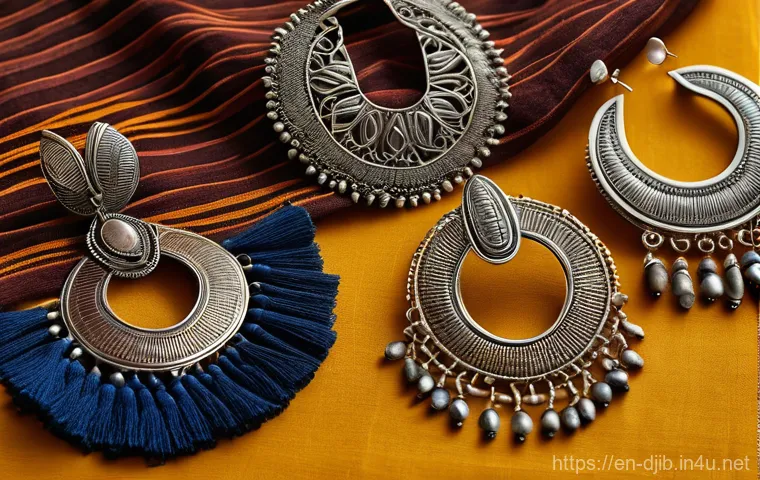
Oh, the jewelry! If you’re anything like me, a sparkle or a unique design instantly draws your eye, and Djibouti’s traditional adornments are absolutely captivating. It’s not just about aesthetics here; each piece often carries a whisper of history, cultural significance, or even protective symbolism. I remember finding myself utterly mesmerized by the intricate beadwork, especially necklaces and bracelets that combine vibrant glass beads with cowrie shells or polished stones. There’s a raw, earthy elegance to them that machine-made jewelry simply can’t replicate. The metalwork, predominantly silver, often features delicate filigree and etched patterns, sometimes incorporating small, precious, or semi-precious stones. It’s truly incredible to see how these designs, often handed down through generations, perfectly complement the traditional attire, adding an undeniable flair and personal touch. Wearing one feels like carrying a piece of Djibouti’s soul with you, a tangible link to its ancient traditions and enduring artistry.
Beaded Wonders: Crafting Personal Stories
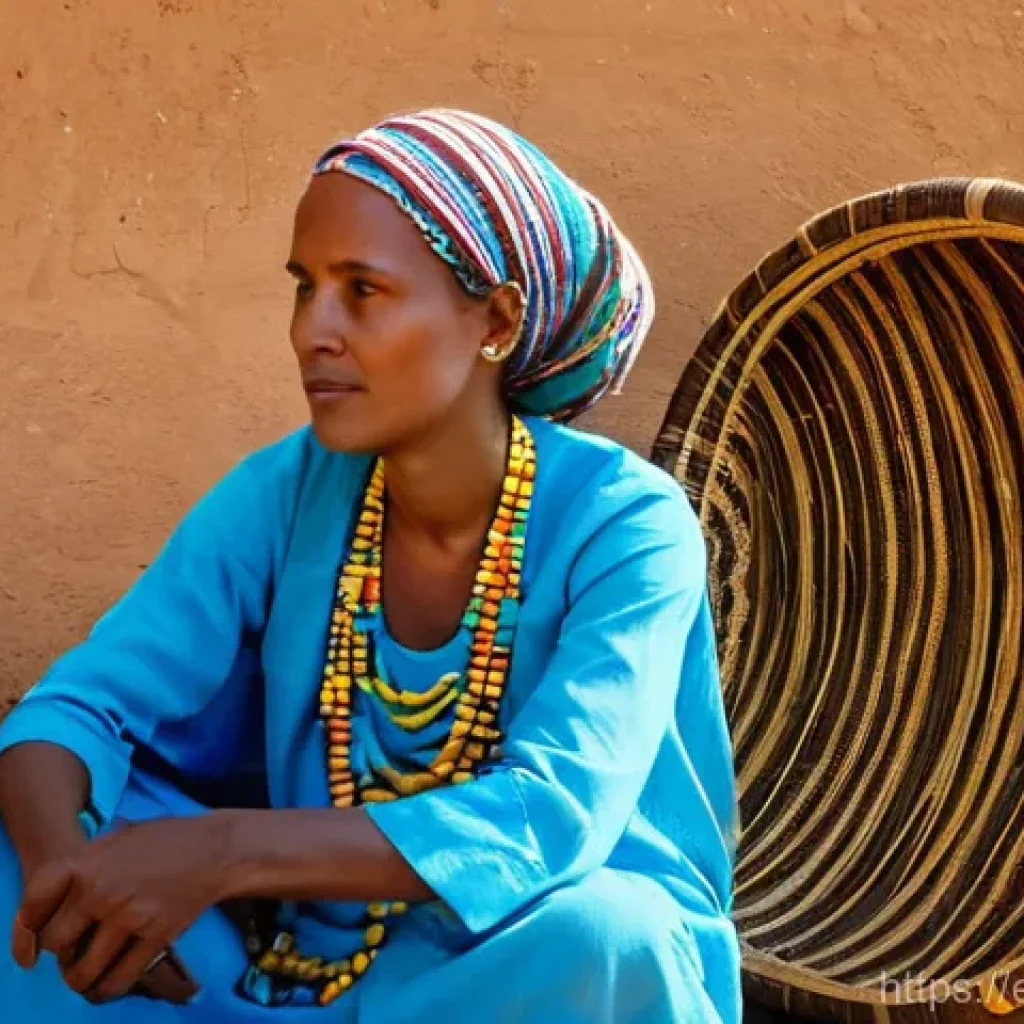
Djiboutian beaded jewelry is a feast for the eyes, bursting with color and life. What I adore about these pieces is that they are so much more than mere accessories. Many designs, particularly those with specific bead arrangements or color combinations, can denote tribal affiliation, social status, or even personal stories. The artisans, often women, meticulously string together tiny glass beads, sometimes incorporating larger, more distinctive elements like amber or horn, to create stunning necklaces, bracelets, and headpieces. I’ve spent ages admiring the precision required for such intricate work, knowing that each bead is placed with deliberate thought and skill. It’s a beautiful testament to the idea that adornment can be deeply personal and steeped in cultural narrative, making each piece a truly unique expression of identity and heritage.
Metal Magic: Adornments with Ancient Echoes
Beyond the kaleidoscope of beads, the metalwork in Djibouti offers a different kind of allure. You’ll often find exquisite silver jewelry, particularly among the Afar people, characterized by its detailed craftsmanship. Think delicate filigree earrings, chunky silver rings, or beautifully engraved pendants. These aren’t always polished to a blinding shine; sometimes, the patina of age gives them an incredible depth and character, hinting at the many hands that have worn and cherished them over the years. The designs frequently draw inspiration from nature or abstract geometric patterns, reflecting a deep connection to their environment and cultural cosmology. I’ve always been a fan of jewelry that feels like it has a soul, and these pieces, with their ancient echoes and skilled execution, definitely fit the bill. They truly stand as miniature sculptures, each telling a silent story of tradition and artistry.
Marketplace Magic: Where to Unearth Your Perfect Keepsake
For me, a trip isn’t complete without diving headfirst into the local markets, and Djibouti’s Marché Central in Djibouti City is an absolute must-visit for anyone hoping to discover these artisanal treasures. Stepping into the market is an experience in itself – a symphony of vibrant colors, the murmur of conversations, and the enticing aromas of spices and local delicacies. It’s a sensory overload in the best possible way! This is where you truly get to witness the incredible variety of handicrafts firsthand, from the smallest beaded trinket to impressively sized woven mats. Don’t be shy about chatting with the vendors; many are the artisans themselves or directly connected to the creators, and they often have wonderful stories to share about their craft. Respectful bargaining is part of the experience, and it’s a wonderful way to engage with the local culture and show your appreciation for their hard work. I’ve always found that the joy of discovery, of finding that one-of-a-kind piece amidst the bustling stalls, is one of the most rewarding aspects of travel.
Navigating the Souks: Tips for Treasure Hunting
When you’re at the market, a little preparation goes a long way. First, take your time! Don’t rush through; allow yourself to wander and really soak in the atmosphere. The most unique pieces are often found tucked away in smaller stalls or after a bit of patient searching. It’s also a good idea to have some local currency (Djiboutian Francs) in smaller denominations, as it makes transactions smoother, especially for smaller purchases. I’ve learned that a friendly smile and genuine interest in the craft can open doors to some fantastic conversations, and sometimes even a better deal. And remember, while bargaining is expected, always keep it respectful and light-hearted. The goal isn’t to get the lowest possible price, but to find a fair price that values the artisan’s skill and effort. It’s an art in itself, and one I always enjoy practicing!
Beyond the City: Discovering Regional Gems
While Marché Central is fantastic, don’t limit your artisan hunt to just the capital! If your travels take you beyond Djibouti City to the more rural areas, you might uncover even more localized and unique crafts. For instance, in Afar regions, you might find specific weaving patterns or jewelry styles distinct to those communities that aren’t as readily available elsewhere. These smaller, community-based markets or direct visits to artisan workshops offer an even deeper connection to the craft and the people who create it. It’s a chance to see the creative process unfold and to understand the cultural context of the items you’re purchasing. I personally love seeking out these less-trodden paths because that’s where you often find the most authentic and personal pieces, treasures that truly tell a specific regional story.
A Palette of Cultures: The Artistic Melting Pot of Djibouti
What truly sets Djiboutian handicrafts apart is their incredible cultural tapestry. This isn’t just one style or one tradition; it’s a vibrant confluence of influences from the Afar, Somali, Arab, and even a subtle touch of French colonial aesthetics that have all played a part in shaping this fascinating nation. You see it in the intricate patterns of a woven mat that might feature both ancient Afar geometrics and subtly incorporated Islamic calligraphy. Or in a piece of jewelry that blends traditional Somali beadwork with silversmithing techniques brought across the Red Sea. It’s this beautiful fusion that creates something genuinely unique, something you won’t encounter anywhere else in the world. I’ve always been captivated by places where cultures converge, and Djibouti’s crafts are a perfect, tangible representation of that rich blend. Each item tells a multi-layered story of migration, trade, and shared heritage, making every piece a miniature ambassador of this Horn of Africa crossroads.
Afar and Somali Roots: Distinctive Styles
At the heart of Djiboutian craftsmanship are the strong artistic traditions of the Afar and Somali peoples. The Afar are renowned for their intricate weaving, particularly their vibrant, durable mats and baskets, often characterized by bold, contrasting colors and repetitive geometric motifs that are both striking and deeply symbolic. The Somali influence, on the other hand, often manifests in more figurative designs, intricate embroidery on fabrics, and distinct styles of beadwork that incorporate natural elements like shells or animal teeth. There’s a raw, authentic energy to these root styles that I absolutely adore, reflecting their nomadic heritage and deep connection to the land. It’s amazing how these two primary cultural streams flow together, sometimes merging seamlessly, sometimes standing proudly distinct, to form the broader landscape of Djiboutian art.
Arabesque Inspirations: Echoes from Across the Red Sea
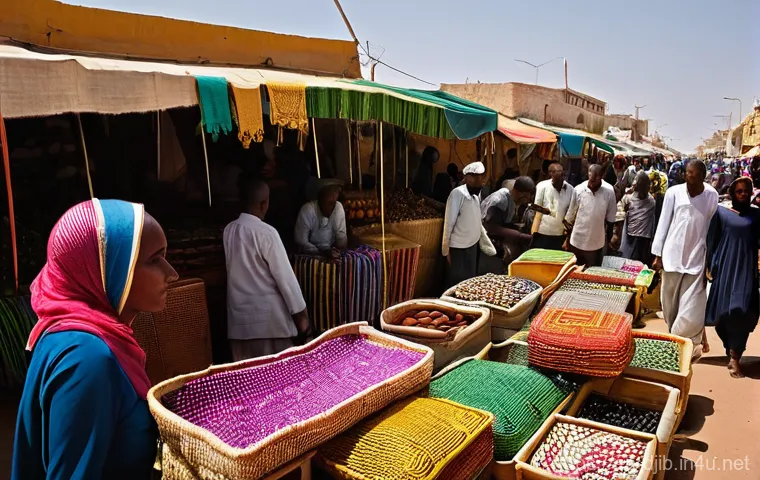
Given Djibouti’s strategic location on the Red Sea, it’s no surprise that Arab influences have also profoundly shaped its artisanal heritage. You can often spot Arabesque patterns in certain metalwork, particularly in delicate silver filigree or etched decorative plates. The elegant curves, symmetrical designs, and sometimes subtle use of calligraphy or abstract floral motifs bring a different kind of sophistication to the crafts. This isn’t always overt; sometimes it’s a subtle flourish, a particular finishing technique, or a material choice that hints at the historical trade routes and cultural exchanges that have enriched this region for centuries. It’s truly fascinating to see how these varied artistic vocabularies have been interpreted and re-imagined by Djiboutian artisans, creating a harmonious blend that is both familiar and distinctly local.
| Craft Type | Primary Cultural Influence | Common Materials | Key Characteristics |
|---|---|---|---|
| Woven Baskets/Mats | Afar, Somali | Doum palm leaves, reeds, grasses | Intricate geometric patterns, vibrant natural dyes, practical and decorative |
| Beaded Jewelry | Afar, Somali | Glass beads, shells, sometimes amber or horn | Bold colors, symbolic designs, often tribal motifs, worn for celebration or status |
| Metalwork/Silver | Arab, Afar | Silver, copper, sometimes brass | Filigree, etched patterns, often abstract or nature-inspired, used for adornment or functional items |
| Wood Carvings | Somali, local | Local hardwoods (e.g., acacia) | Animal figures, functional items like bowls, decorative panels, often simple but elegant forms |
Beyond the Souvenir: The Heart of Artisan Empowerment
When I pick up a handmade item, my mind instantly goes to the person who created it. In Djibouti, this connection feels even more profound. These aren’t mass-produced trinkets; each piece represents hours of labor, skill, and cultural pride, often by individuals or small cooperatives striving to make a living. The truth is, buying these crafts goes so much deeper than just acquiring a souvenir for your shelf. It’s a direct lifeline, a way to empower local artisans and their families, providing them with a sustainable income and enabling them to continue practicing their ancestral skills. I’ve personally experienced the immense satisfaction of knowing my purchase directly supports someone’s livelihood, seeing their gratitude, and understanding that I’m playing a small part in preserving something truly special. It fosters a connection that extends far beyond the transaction, making every item a symbol of hope and empowerment.
Direct Impact: Empowering Communities
Imagine the ripple effect: your purchase helps an artisan send their children to school, put food on their table, or invest in better tools to refine their craft. Many artisans, particularly women in rural areas, rely heavily on the sale of their handicrafts as a primary source of income. By choosing to buy directly from them or from fair-trade initiatives, you’re not just getting a beautiful object; you’re contributing to community development and poverty alleviation in a very tangible way. I always make it a point to seek out these direct connections because it feels more meaningful. It’s about recognizing the human effort and value behind each piece, and knowing that your support enables these talented individuals to thrive and continue sharing their cultural heritage with the world.
Preserving Heritage: Keeping Traditions Alive
In a world increasingly dominated by mass production, traditional handicrafts face the risk of fading away. The skills required to create these intricate pieces are often passed down orally and through practice, generation to generation. When demand for these items dwindles, so too does the incentive for younger generations to learn and continue these precious traditions. By consciously choosing to buy Djiboutian handicrafts, we’re actively participating in the preservation of cultural heritage. We’re telling the artisans that their skills are valued, that their history is important, and that their art deserves to endure. I find immense joy in knowing that a piece I bring home isn’t just an object, but a small shield against the erosion of cultural identity, helping to keep ancient techniques and stories alive for years to come.
Crafting Futures: How Every Purchase Makes a Difference
The act of choosing a Djiboutian handicraft is, in many ways, an investment in a future. It’s not just about a pretty item; it’s about participating in a cycle of sustainable development and cultural pride. When we, as travelers and conscious consumers, actively seek out and support these unique creations, we’re doing more than just filling our suitcases. We’re providing consistent opportunities for artisans, helping them to innovate while staying true to their roots. I’ve seen how even small efforts can lead to big changes, like a cooperative gaining enough momentum to start a workshop where skills can be formally taught to younger generations, ensuring the legacy continues. This conscious consumption creates a positive ripple effect, nurturing local economies and empowering communities to build a brighter future for themselves, preserving their unique identity in an increasingly globalized world. It truly feels good to know that my love for beautiful, handcrafted items can have such a profound and positive impact.
Investing in Artistry: A Sustainable Choice
Think about it: when you purchase a handcrafted item, you’re essentially investing in human skill, creativity, and tradition, rather than just raw materials processed by a machine. This kind of investment is inherently more sustainable, both environmentally and socially. Artisans often use locally sourced, natural materials and employ traditional, eco-friendly techniques that have a minimal impact on the environment. Furthermore, the economic benefits of these purchases directly flow back into the local community, promoting self-sufficiency and reducing reliance on less sustainable industries. It’s a powerful way to put your money where your values are, choosing quality, authenticity, and ethical production over convenience or cheap alternatives. For me, knowing that I’m making a responsible choice makes the item itself even more precious and meaningful.
The Artisan’s Legacy: Passing Down Skills
Perhaps one of the most heartwarming aspects of supporting traditional handicrafts is contributing to the continuation of a vital legacy. Each time an artisan sells a piece, it validates their skill and encourages them to pass that knowledge down. These aren’t skills learned in a textbook; they are embodied wisdom, honed over decades, and taught through observation and practice within families and communities. By creating a sustainable market for their goods, we help ensure that these intricate techniques, unique designs, and cultural stories don’t disappear with the current generation. It’s like being a part of a much larger story, a protector of artistic heritage, ensuring that the beautiful, tangible expressions of Djiboutian identity continue to thrive and inspire for countless generations to come. And that, to me, is truly priceless.
Wrapping Up Our Creative Journey
And just like that, we’ve journeyed through the enchanting world of Djiboutian handicrafts! I hope you’ve felt the passion in every stitch, the history in every bead, and the soulful stories woven into each piece. It’s truly been an inspiring dive into a culture that celebrates artistry in such a profound way. For me, these aren’t just objects; they’re echoes of a vibrant heritage, waiting to tell their tales. So, next time you’re dreaming of an adventure, remember the incredible hands behind these treasures and the difference your appreciation can make. Keep exploring, keep connecting!
Handy Tips for Your Djiboutian Artisan Adventure
1. Cash is King at the Markets: While some larger stores might accept cards, cash (Djiboutian Francs) is definitely preferred and often essential at local markets like Marché Central. Have smaller denominations ready for smoother transactions!
2. Embrace Respectful Bargaining: Haggling is a customary part of the market experience, but always do so with a friendly smile and respect for the artisan’s work. It’s about finding a fair price, not just the lowest one.
3. Look for Authenticity: Seek out items that feel genuinely handmade. Don’t be afraid to ask about the materials or the crafting process – it’s a great way to learn and ensure you’re getting an authentic piece.
4. Explore Beyond the Capital: If your itinerary allows, venturing into rural areas can reveal unique regional crafts and offer a more direct connection with the artisans themselves, providing truly one-of-a-kind finds.
5. Support Local, Make a Difference: Remember that your purchase directly supports local artisans, empowering their communities and helping to preserve invaluable cultural traditions. It’s more than just a souvenir; it’s a direct impact.
Key Highlights to Remember
Djiboutian handicrafts offer a unique window into a rich cultural tapestry, blending Afar, Somali, and Arab influences into exquisite artistry. From the intricate basketry and woven mats to the captivating beaded and metal jewelry, each piece tells a story of heritage, skill, and enduring tradition. More than just beautiful objects, purchasing these crafts directly supports local artisans, empowers communities, and helps preserve a vital cultural legacy for future generations. It’s an opportunity to connect deeply with the heart of Djibouti and bring home a piece of its soulful spirit, making every acquisition a meaningful investment in artistry and community. Your conscious choices contribute significantly to a vibrant and sustainable future for these precious traditions.
Frequently Asked Questions (FAQ) 📖
Q: What kinds of beautiful handicrafts can I actually find in Djibouti, and what makes them so special?
A: Oh, this is one of my favorite questions! When I think about Djiboutian handicrafts, my mind immediately floods with vibrant colors and intricate textures.
What truly captivates me is the sheer variety and the stories each piece carries. You’ll definitely want to look out for their incredible handwoven baskets.
These aren’t just practical items; they’re works of art, often crafted from palm fibers, dyed in stunning hues, and woven with techniques passed down through generations.
I remember finding a particularly gorgeous one with a tight coil pattern that just seemed to hum with history. Then there’s the beaded jewelry – Djibouti’s artisans are truly renowned for it.
The necklaces, bracelets, and earrings are so vibrant, made with an array of colorful beads that reflect the rich cultural heritage, often blending Afar and Somali influences.
It’s like wearing a little piece of the country’s soul! And trust me, the textiles and fabrics are a must-see. You’ll find everything from richly patterned scarves and shawls to traditional dresses, like the ‘diri’ worn by Djiboutian women, which are just dazzling.
Men also wear ‘foutas,’ often striped loincloths that are both comfortable and stylish. The beauty is in how these fabrics often incorporate traditional patterns and designs that evoke ancient symbols—some even meant for protection!
I was so mesmerized by the delicate embroidery on a ‘Gadha’ shawl I saw once; it felt like a whisper of tradition. Don’t forget the wood carvings, either, from decorative masks and figurines to practical kitchen utensils and even traditional knives and daggers.
Each item, whether it’s a piece of hand-painted pottery or even unique pumice toys shaped like camels or cars, genuinely embodies the country’s spirit, reflecting that incredible blend of cultures at the crossroads of Africa and Arabia.
It’s not just pretty stuff; it’s tangible history made with skill and heart.
Q: Where are the best spots to hunt for these authentic Djiboutian treasures, and any tips for a smooth shopping experience?
A: Finding these unique pieces is half the adventure, and Djibouti City absolutely bursts with incredible places to explore! From my own experiences, the Central Market, or Marché Central as the locals call it, is definitely a bustling hub and a treasure trove.
It’s right in the heart of the city and absolutely overflows with colorful textiles, traditional clothing, intricate handicrafts, and dazzling handmade jewelry.
It’s such a lively spot; I always make sure to carve out plenty of time to wander, soak in the atmosphere, and chat with the vendors. You can also head to Les Caisses Market, which spreads along Blvd de Bender.
This market has a vibrant energy and is another fantastic place to discover handwoven baskets and traditional pottery. Beyond the big markets, keep an eye out for smaller, charming boutiques.
I personally loved Boutique Artisanaux on Blvd du General de Gaulle; it’s a delightful spot specifically for home goods and artisanal products, and the staff there are often keen to share the stories behind the items, which really enriches the whole experience.
Other great places include the African Village Market. My top tip for a smooth shopping experience? Don’t rush!
Take your time to really explore the stalls and engage with the artisans or sellers. A friendly smile and a little curiosity go a long way. While bargaining is part of the fun in some market settings, always do so respectfully and good-naturedly.
And here’s a little insider secret: sometimes, the best finds are in the quieter corners of these markets or even at smaller, local events like the annual Djibouti Art Festival, where artisans often showcase their latest work.
Bring cash, especially for smaller vendors, as card payments aren’t always an option. Trust me, the joy of discovering that perfect, unique souvenir makes the hunt absolutely worth it!
Q: How can I be sure I’m buying genuine local handicrafts and truly supporting the artisans?
A: That’s a fantastic question and one that’s close to my heart, because supporting the artisans directly is what makes these purchases so meaningful! In my experience, the best way to ensure authenticity and make a real impact is to buy directly from the artisans themselves or from reputable local markets and shops that clearly champion local craftsmanship.
When you’re wandering through places like the Central Market or Les Caisses Market, or even smaller shops like Boutique Artisanaux, you’re often interacting with the creators or their immediate families.
I always make it a point to ask about the piece – who made it, what materials they used, and if there’s a story behind the design. Not only do you learn something incredibly cool about Djiboutian culture, but their responses also give you a strong sense of whether the piece is genuinely handmade locally.
You’ll find that the artisans are often so proud to share their heritage! Sometimes, if an item feels mass-produced or is identical across many stalls without a unique story, it might be an import.
I tend to shy away from those. Also, look for places that proudly display their local origins. The Djiboutian government actually encourages handicrafts, and there are even national workshops held to promote these skills, especially among women, so your purchase directly contributes to sustaining livelihoods and keeping these ancient traditions alive.
When you see artisans carefully weaving baskets or meticulously beading jewelry, you can feel that direct connection. It’s truly heartwarming to know that your souvenir isn’t just a memento for you, but it’s also a direct way to empower these talented individuals and help ensure their incredible artistry thrives for generations to come.