Hey fellow adventurers! You know, sometimes it feels like the whole world has been discovered, every secret cove explored, every epic dive spot plastered all over Instagram.
But let me tell you, as someone who practically lives underwater and is constantly chasing those truly unforgettable marine encounters, there are still incredible frontiers out there just waiting to blow your mind.
The diving world is buzzing with talk of sustainable travel and finding those genuinely unique, unspoiled destinations where you can connect with nature on a whole new level.
We’re moving beyond crowded reefs and searching for places where the raw beauty of the ocean is still paramount, and the ecosystems are thriving. It’s about finding that pristine escape, that vibrant underwater world that hasn’t been over-commercialized, where you feel like you’re part of something truly special and rare.
This quest for the extraordinary is exactly what led me to one of the most surprising and utterly breathtaking diving destinations I’ve ever had the pleasure of exploring.
Imagine a place where the earth itself is pulling apart, creating dramatic underwater landscapes, and where crystal-clear waters teem with gentle giants and kaleidoscopic coral.
That’s Djibouti for you – an East African gem that remains largely off the radar for many, yet offers some of the planet’s most unique and spectacular diving experiences.
From swimming alongside magnificent whale sharks in azure bays to exploring volcanic chimneys and vibrant reefs, my trips there have consistently redefined what I thought was possible underwater.
If you’re ready to swap the usual for the truly exceptional and dive into an adventure unlike any other, you’ve come to the right place. Let’s uncover the secrets of Djibouti’s incredible underwater world and find out exactly what makes it a diver’s paradise!
An Undiscovered Arena for Ocean’s Gentle Giants
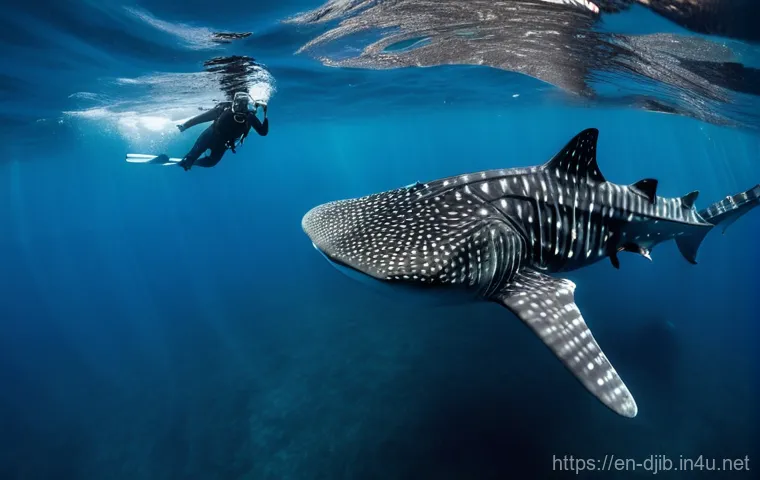
You know, there’s nothing quite like that moment you first glimpse a whale shark. It’s an almost spiritual experience, seeing these magnificent, polka-dotted titans glide effortlessly through the water. In Djibouti, this isn’t just a possibility; it’s a common, breathtaking reality that truly sets it apart. The Gulf of Tadjoura, particularly the Goubbet al Kharab area, becomes a vibrant nursery for juvenile whale sharks between October and February, creating an unparalleled opportunity to swim alongside them. I’ve been fortunate enough to visit during peak season, and let me tell you, those encounters are etched into my memory forever. Imagine slipping into the warm, clear waters and finding yourself just a few meters from a creature that can be five or six meters long – it’s humbling, exhilarating, and a little bit surreal all at once. The sheer numbers of these gentle giants here suggest it might even be a vital breeding ground for the species, which just adds to the magic.
Seasonal Spectacle: Swimming with Giants
When I first heard about the plankton blooms attracting whale sharks to Djibouti, I was skeptical. I’d chased whale sharks in other famous spots, often with mixed success. But my very first trip to Djibouti utterly convinced me. The conditions are just perfect during those cooler months, roughly from October through February, when the waters become rich with the microscopic organisms these filter-feeders adore. The water temperatures, a lovely 26-30°C (79-86°F), make for incredibly comfortable snorkeling and diving. My most unforgettable moment was observing a pod of juvenile whale sharks, barely out of their infancy, gracefully navigating the nutrient-rich currents, seemingly unfazed by our respectful presence. They move with such serene power, and you can’t help but feel a profound connection to the ocean. It’s not just about seeing them; it’s about experiencing their world up close, a truly immersive encounter that few places on Earth can offer with such consistency.
Beyond the Whale Sharks: Other Pelagic Wonders
While the whale sharks might be the headline act, the pelagic life in Djibouti doesn’t stop there. My dives have often been graced by the majestic presence of manta rays, swooping and rolling with incredible elegance. It’s like watching an underwater ballet, a mesmerizing performance you never want to end. I’ve also spotted various species of sharks, like grey reef sharks and nurse sharks, often just cruising along with a playful curiosity that puts a smile on your face. The strong currents, especially around areas like the Seven Brothers Islands, act like a superhighway for these larger marine animals, bringing in pilot whales and beaked whales too. The sheer diversity here is staggering, a testament to the thriving ecosystem. Every dive feels like a lottery, in the best possible way, because you never know what incredible creature will emerge from the blue to surprise and delight you.
Witnessing Earth’s Raw Power: Diving Between Continents
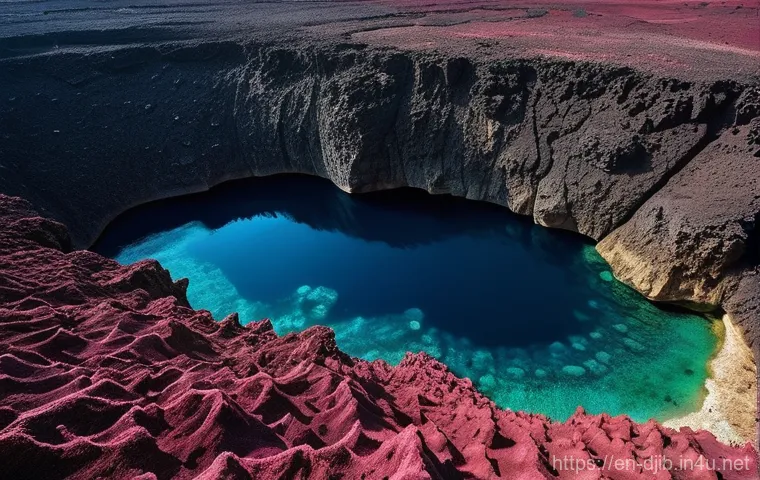
Okay, prepare for something truly mind-blowing. Djibouti isn’t just about incredible marine life; it’s a geological wonderland. You’re literally diving in a place where the African and Arabian tectonic plates are pulling apart! This ongoing seismic dance has sculpted the seabed into dramatic, otherworldly landscapes you simply won’t find anywhere else. Forget your typical reef dives; here, you’re exploring volcanic rock formations, deep fissures, and underwater chimneys that tell a story of Earth’s immense, shifting power. It’s a humbling thought, isn’t it? To be submerged in waters where the very crust of our planet is in a state of constant, slow-motion upheaval. My first experience diving “The Crack” in Goubbet al Kharab was surreal. Imagine descending into a narrow fissure, corals clinging to the rocky walls, knowing you’re suspended between two continents. It’s an experience that truly redefines what a “dive site” can be.
Exploring the Tectonic Rift: La Faille
The infamous “La Faille,” or “The Crack,” within Goubbet al Kharab, is a site I’ve returned to time and again. It’s a shallow dive, usually around 26 feet (8 meters), making it accessible to divers of varying experience levels, but the impact is profound. You literally swim down into a submerged rift, a diagonal crack formed by the separation of continental plates. The currents can be strong here, reminding you of the geological forces at play, but the sight of the coral-covered walls plunging into the abyss is absolutely mesmerizing. It’s an ever-changing environment, too, as earthquakes cause the fault to shift over time. I remember one dive where a ray glided out from a shadowy crevice, adding another layer of magic to an already incredible geological spectacle. It’s not about big fish here; it’s about connecting with the raw, ancient heartbeat of the planet, a unique geology lesson that leaves you speechless.
Volcanic Vistas and Submerged Peaks
Beyond the direct rifts, Djibouti’s volcanic history paints the underwater landscape with dramatic flair. Sites like “The Dome” showcase incredible volcanic structures and caverns, providing a glimpse into the region’s fiery past. And then there are the Seven Brothers Islands, a chain of volcanic islands off the coast. These islands are surrounded by stunningly healthy reefs, often with deep drop-offs that plunge into the blue. I’ve found that the volcanic rock provides a fantastic substrate for vibrant coral growth, leading to some incredibly rich and diverse ecosystems. The stark, dark volcanic rock contrasting with the vivid colors of the coral and fish is an aesthetic dream for any underwater photographer. It’s truly a testament to nature’s resilience, how life thrives in such a geologically active and dynamic environment.
Navigating the Kaleidoscope: Djibouti’s Thriving Reefs
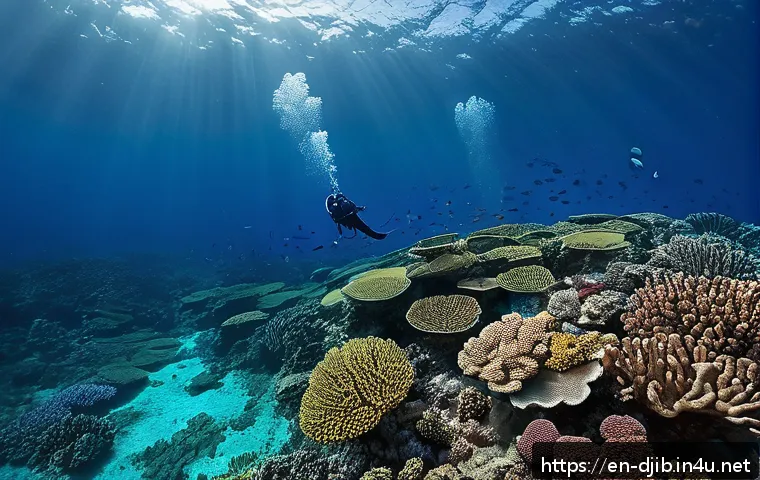
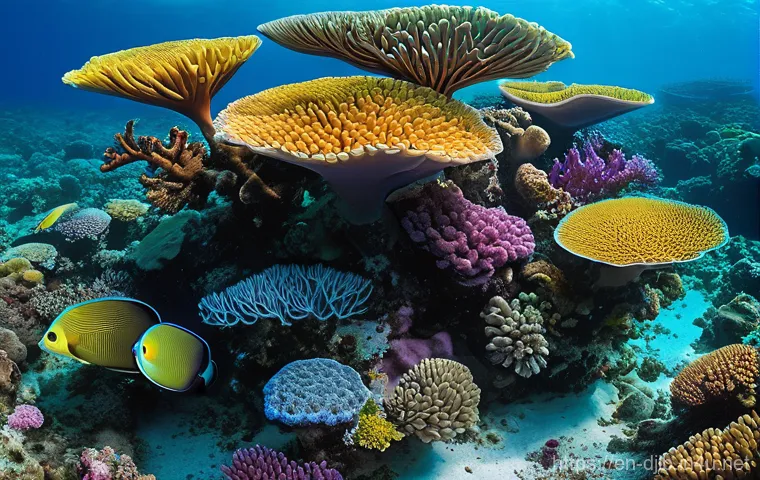
When you picture the Red Sea, you probably think of Egypt or Sudan, right? But let me tell you, Djibouti offers something truly special: remarkably untouched, pristine coral reefs that burst with life. Because it’s still relatively off the mass tourism radar, many of Djibouti’s reefs remain largely free from the impacts of overcrowding, making for an incredibly vibrant and intimate diving experience. I’ve explored reefs across the globe, and the sheer health and diversity of the corals here genuinely blew me away. We’re talking about over 200 species of coral, both hard and soft, creating kaleidoscopic gardens that are a haven for countless marine creatures. It’s like swimming through a living, breathing artwork, with every turn revealing new colors and textures. From the bustling life around Moucha Island to the deeper walls of the Seven Brothers, the reef systems here are truly something to behold, a thriving underwater metropolis.
Moucha Island and its Coral Gardens
Moucha Island, nestled in the Gulf of Tadjoura, is a personal favorite for its accessibility and incredible biodiversity. It’s perfect for all levels of divers, from beginners to advanced, offering everything from shallow coral gardens to impressive walls. I particularly love the “Coral Gardens” site; it’s a shallow, vibrant expanse where you can spend ages just watching parrotfish nibble on coral, butterflyfish flit past, and anemones sway with their resident clownfish. The clarity of the water here, often with visibility ranging from 15 to 30 meters, is fantastic for photography. On one dive, I spent almost an entire hour just hovering, observing a busy school of snappers weaving through a particularly dense patch of soft corals. It felt like I was peeking into a secret world, undisturbed and flourishing, exactly what I look for in a pristine dive destination.
The Seven Brothers Archipelago: A Diver’s Dream
Further out, at the mouth of the Red Sea, lies the Seven Brothers Islands, a collection of volcanic islets that are simply legendary among those in the know. These islands are famous for their deep diving spots, dramatic drop-offs, and walls absolutely carpeted in vibrant corals. The tidal shifts here create strong currents, which, while challenging for some, bring in a constant supply of nutrients, fueling an explosion of marine life. I’ve had some truly epic drift dives here, soaring along coral-covered slopes with schools of barracudas and jacks speeding alongside me. It’s a rush, an exhilarating ride through a marine wonderland where you’re constantly surrounded by action. The rich ecosystems here support everything from tiny macro creatures in hidden crevices to larger pelagics passing by in the blue. It’s a wild, dynamic place that reminds you just how powerful and beautiful the ocean can be.
Beyond the Beaten Path: Unconventional Underwater Adventures
One of the things I absolutely adore about Djibouti is its capacity for surprise. It’s not just stunning reefs and whale sharks; this place offers a medley of unique experiences that push the boundaries of what you might expect from a dive trip. I’ve always been drawn to the stories hidden beneath the waves, and Djibouti delivers these in spades. Think of the excitement of exploring a sunken vessel, now teeming with life, or discovering a landscape shaped by geological forces few ever get to witness. It’s about more than just checking off a dive site; it’s about embarking on an expedition into the truly extraordinary, where every descent holds the promise of a fresh, awe-inspiring discovery. This is where Djibouti truly shines for the adventurous diver looking for something beyond the ordinary.
Unearthing Maritime History: Wreck Diving
For those of us who feel a pull towards history and the allure of sunken treasures, Djibouti has some fantastic wreck diving to offer. The country’s strategic location as a historic maritime hub means its waters are home to a surprisingly impressive collection of shipwrecks. I’ve had the privilege of exploring the “Faon Wreck” (also known as MV Priamos) near Moucha Island, a cargo vessel now completely enveloped by corals and sponges. It’s become an artificial reef, a bustling apartment building for everything from snappers and lionfish to intricate nudibranchs. On another occasion, I explored the remains of the “Evangelista Torricelli,” a WWII Italian submarine, sitting upright at 25 meters, virtually camouflaged by the marine life that has claimed it. These wrecks are not just metal carcasses; they’re vibrant, living ecosystems, silent witnesses to history that now serve as incredible homes for the ocean’s creatures. Each dive tells a story, and I find that absolutely captivating.
The Mystique of Devil’s Cauldron: Goubbet al Kharab
Goubbet al Kharab, or “The Devil’s Cauldron,” is more than just a whale shark hotspot; it’s a truly unique geological marvel. Enclosed by towering cliffs, this bay boasts incredibly deep waters, plummeting to almost 200 meters in some areas. The entire atmosphere is dramatic – the black lava bottom of the lake, the surrounding mountains, it all feels incredibly powerful. It’s also where you can find “Devil’s Island,” which is actually the crater of an underwater volcano. I remember diving there, feeling the immense pressure of the depths and marveling at how life thrives in such an extreme environment. The currents can be quite strong, making it best suited for more experienced divers, but the reward is immense. It’s an experience that truly highlights Djibouti’s raw, untamed beauty, a place where the ocean’s mysteries feel very close to the surface.
Diving with a Conscience: Embracing Sustainable Exploration
As divers, we share a deep love for the ocean, and that comes with a responsibility to protect it. What I’ve really come to appreciate about Djibouti is its emerging commitment to sustainable tourism and marine conservation. It’s not about over-commercialization; it’s about preserving these pristine environments for generations to come. The Djiboutian government, along with local and international organizations, is actively working on initiatives to monitor and protect its coral reefs and marine biodiversity. They’re learning from the mistakes of other, more heavily touristed destinations, which I find incredibly refreshing. My personal philosophy is always to leave no trace, and in Djibouti, you can genuinely feel that collective effort to safeguard its natural wonders. It’s a place where responsible diving isn’t just encouraged; it feels like an intrinsic part of the experience.
Protecting the Pristine Reefs
I’ve seen firsthand the dedicated efforts going into protecting Djibouti’s incredible coral reefs. Despite occasional reports of past degradation, current scientific missions highlight that many of Djibouti’s corals are in excellent health, thriving even in high water temperatures. There are projects like the Coral Reef Monitoring of Djibouti (CRMD) developing scientific and technological solutions to track reef health and implement effective conservation strategies. When I choose a dive operator in Djibouti, I always look for those who actively participate in clean-up dives, reduce plastic use on their liveaboards, and educate divers on responsible interactions with marine life. It’s about making conscious choices, from the reef-safe sunscreen I pack to how I approach a whale shark. It’s truly rewarding to know that my visit contributes to a country striving for environmentally friendly and ethically responsible tourism.
Community and Conservation
Sustainable tourism in Djibouti also extends to empowering local communities. By choosing to visit, we’re supporting a growing industry that provides jobs and a vested interest in protecting their natural heritage. The emphasis on ecotourism aims to create economic opportunities while preserving the unique ecosystems. I’ve had wonderful interactions with local guides and crew members on liveaboards; their knowledge of the local marine environment and their passion for protecting it is infectious. They truly understand the value of their pristine waters. It’s not just about what we see underwater; it’s about how our presence supports a future where these natural wonders continue to thrive, benefiting both the environment and the people who call this unique corner of the world home. It’s a holistic approach to travel that resonates deeply with me.
Planning Your Unforgettable Djiboutian Dive Escape
Alright, so you’re convinced, right? You’re ready to trade the everyday for the extraordinary and plunge into Djibouti’s underwater paradise. Planning a trip to a lesser-known destination can feel a little daunting, but trust me, it’s absolutely worth it. My best advice is to embrace the adventure and do your homework! Djibouti might not have the sprawling resorts of some dive hotspots, but what it offers is authenticity, exclusivity, and an unparalleled connection with nature. From sorting out your visa to choosing the perfect time to visit, a little preparation goes a long way in ensuring your Djiboutian dive expedition is smooth, safe, and utterly unforgettable. I’ve learned a few things over my trips, and I’m happy to share the practicalities to help you on your way.
When to Go and How to Get There
For me, the sweet spot for diving in Djibouti, especially if you’re hoping for whale shark encounters, is between October and February. The water temperatures are fantastic, and the plankton blooms bring in those incredible pelagic visitors. While land-based operators exist, I’ve found that a liveaboard safari is truly the best way to experience Djibouti’s diverse dive sites, especially since many of the best spots, like the Seven Brothers Islands, are quite spread out. Most liveaboard trips run for about eight days, typically starting and ending in Djibouti City. Getting there is becoming increasingly straightforward, with direct international flights from some European cities and connections through major hubs like Qatar and Turkey. Remember to sort out your e-Visa beforehand; it’s a necessary step that ensures a smooth arrival.
Essential Gear and Local Insights
When packing, think light and versatile. The water is warm, so a 3mm or 5mm wetsuit is usually perfect. Don’t forget your logbook and certification cards, as operators will need to verify your experience. While most liveaboards offer rental equipment, I always prefer bringing my own mask, fins, and regulator – comfort makes a huge difference, especially on multi-day trips. I also highly recommend bringing an action camera with good low-light capabilities for those whale shark encounters; flashes are a no-go with marine life. Between dives, keep your eyes peeled on the surface; I’ve often spotted dolphins and pilot whales during surface intervals! And definitely carve out some time to explore Djibouti City and its vibrant culture, savoring the local cuisine and interacting with the incredibly welcoming Djiboutian people. It’s a fantastic way to immerse yourself in the country beyond its underwater wonders.
Here’s a quick overview to help you plan your Djiboutian adventure:
| Aspect | Details |
|---|---|
| Best Dive Season | October to February (for whale sharks & mantas) |
| Water Temperature | Average 26-30°C (79-86°F) |
| Visibility | Can exceed 20 meters; may drop during plankton blooms but worth it for pelagics |
| Key Marine Life | Whale sharks, manta rays, pilot whales, dolphins, various reef sharks, barracudas, groupers |
| Unique Dive Features | Tectonic rifts (“The Crack”), underwater volcanoes, pristine coral reefs, shipwrecks |
| Recommended Accommodation | Liveaboards for optimal dive site access |
Why Djibouti Will Forever Hold a Piece of My Diver’s Heart
Looking back at all my diving escapades, there are only a handful of places that truly resonate with me long after I’ve resurfaced, and Djibouti is unequivocally one of them. It’s not just the incredible whale shark encounters or the thrill of diving between continental plates; it’s the entire package. It’s the feeling of discovering a truly unique, unspoiled destination, far removed from the bustling crowds of more famous dive spots. There’s a raw, untamed beauty to Djibouti, both above and below the water, that sparks a deep sense of adventure and wonder. I’ve found that the unpretentious nature of the experience here, combined with the sheer biological and geological marvels, creates memories that genuinely last a lifetime. It’s a place that challenges your perceptions of what a dive destination can be and leaves you yearning to return. That’s why, for me, Djibouti isn’t just another stamp in the passport; it’s a profound connection to the heart of the ocean, a true diver’s paradise that I carry with me wherever I go.
The Unforgettable Echo of the Deep
Every time I close my eyes and think back to Djibouti, it’s not just a single image that floods my mind, but a symphony of sensations. I remember the immense, silent shadows of whale sharks drifting past, the vibrant explosion of color on the coral reefs, and the almost eerie quiet as I descended into “The Crack.” It’s these profound moments of connection, with both marine life and the Earth’s ancient processes, that make Djibouti so utterly captivating. There’s a certain intimacy you feel when you’re diving in a place that hasn’t been overwhelmed by tourism, where the ecosystems are still thriving and the encounters feel genuinely wild. It truly stands out as a destination that offers something deeply authentic and utterly unique for the discerning underwater explorer. It’s a place that whispers to your adventurous spirit and calls you back again and again.
A Call to the Undiscovered
So, if you’re like me – constantly seeking that next extraordinary adventure, that truly unspoiled frontier where you can connect with the ocean on a whole new level – then please, add Djibouti to your diving bucket list. It’s a country that’s making strides in sustainable tourism, offering world-class diving without sacrificing its pristine natural beauty. You’ll be part of a select few who get to witness its incredible underwater world, from the gentle giants of the Gulf of Tadjoura to the dramatic landscapes shaped by tectonic forces. Believe me, the stories you’ll bring back from Djibouti won’t just be about incredible dives; they’ll be about experiencing a place where nature still reigns supreme, where every moment underwater feels like a privilege. It’s an adventure that will not only redefine your diving experiences but will also leave an indelible mark on your soul. Go, explore, and let Djibouti surprise you!
Wrapping Up Our Djiboutian Adventure
And there you have it, folks! My heart always swells a little when I think back to my journeys to Djibouti. It’s truly a destination that’s far more than just a pin on a map; it’s a vibrant, living testament to the ocean’s enduring magic and the Earth’s raw power. From those gentle giants, the whale sharks, gracing us with their presence, to the humbling experience of diving between continents, Djibouti offers an underwater tapestry woven with unparalleled natural wonders. If you’re seeking a dive destination that promises discovery, adventure, and a deep connection to nature, trust me, this is the place. It’s an escape that will not only redefine your diving experiences but will also leave you with stories that you’ll be eager to share for years to come.
Handy Tips for Your Djibouti Trip
1. Best Time to Visit: Aim for October to February! This is prime whale shark season, and the water temperatures are wonderfully mild, making for comfortable dives and surface intervals. It’s when the ocean truly comes alive with pelagic activity.
2. Visa Essentials: Don’t forget your e-Visa! It’s super important to sort this out before you travel to ensure a smooth entry into the country. A quick online application will save you any hassle upon arrival, letting you get straight to the good stuff.
3. Pack Smart, Dive Happy: Think light and versatile. A 3mm to 5mm wetsuit is usually perfect for the warm waters. Always bring your own mask, fins, and regulator if you prefer your gear, and definitely pack a good action camera to capture those unforgettable moments!
4. Liveaboard Life is the Best Life: While there are land-based options, I wholeheartedly recommend a liveaboard. It truly offers the best access to Djibouti’s scattered dive sites, especially the legendary Seven Brothers Islands, maximizing your time underwater.
5. Embrace Local Culture: Don’t just stick to the water! Take a day or two to explore Djibouti City. Sample the local cuisine, visit the bustling markets, and engage with the incredibly warm and welcoming Djiboutian people. It adds a whole other layer to your adventure.
Key Takeaways for Your Djibouti Dive
Djibouti is an absolute gem for divers, offering a unique blend of experiences from swimming with majestic whale sharks to exploring geological wonders like “The Crack” where continents diverge. Its pristine, untouched coral reefs boast incredible biodiversity, far from the madding crowds, ensuring an intimate connection with marine life. Prioritizing sustainable and responsible tourism, Djibouti ensures your visit helps preserve its natural beauty. For an unforgettable adventure, plan your trip between October and February, consider a liveaboard for optimal diving, and remember to secure your e-Visa in advance. This extraordinary destination promises not just dives, but profound experiences that will etch themselves into your memory.
Frequently Asked Questions (FAQ) 📖
Q: Why choose Djibouti for diving when there are so many more well-known destinations out there?
A: Oh, that’s a fantastic question and one I get asked a lot! For me, it all boils down to that feeling of genuine discovery, of being somewhere truly special before the crowds descend.
While places like the Red Sea or the Maldives are undeniably stunning, Djibouti offers something inherently different. It’s not just about the incredible marine life, though trust me, it’s spectacular.
It’s about the unique geological setting where three tectonic plates meet, creating dramatic underwater landscapes you won’t find anywhere else. I remember my first dive there, thinking, “Wow, this feels like an entirely new planet!” The reefs are still so vibrant, so untouched, and the sheer sense of exploration you get is unparalleled.
If you’re tired of dive sites feeling a bit “worn out” or overly commercialized, Djibouti is that pristine escape. It’s for the adventurer who wants to connect with the ocean on a deeper, more authentic level, and honestly, it provides an experience that resonates long after you’ve surfaced.
Q: I’ve heard amazing things about swimming with whale sharks in Djibouti. When is the best time to go if I want to experience that?
A: Absolutely, the whale sharks are a huge draw, and for good reason! Swimming alongside those gentle giants in the warm, clear waters of Djibouti is an experience that will genuinely give you goosebumps.
From my many trips, I can tell you that the prime season for whale shark encounters in Djibouti typically runs from late October through February. During these months, the Gulf of Tadjoura becomes a veritable buffet for them, attracting a significant number of these magnificent creatures to feed.
I’ve had some truly unforgettable moments during this window, often seeing multiple whale sharks on a single outing. While nature always has its own schedule, aiming for November, December, or January generally gives you the best chances for those incredible, up-close interactions.
You’ll want to book your trip around this time to maximize your chances of making those once-in-a-lifetime memories!
Q: Beyond the whale sharks, what other kinds of unique diving experiences can Djibouti offer?
A: This is where Djibouti really shines, beyond its star attraction! While the whale sharks are epic, the diversity of the underwater world here is truly astounding.
I’ve been fortunate enough to explore some truly otherworldly sites. Imagine diving around active underwater volcanic chimneys, where hot vents release minerals, creating a unique ecosystem that looks like something out of a sci-fi movie.
It’s an incredibly rare geological phenomenon to witness firsthand. Then there are the vibrant coral reefs, bursting with kaleidoscopic colors and teeming with an abundance of reef fish, moray eels, turtles, and even reef sharks.
The visibility is often phenomenal, making these explorations even more breathtaking. From intricate labyrinthine reef systems to dramatic drop-offs and encounters with manta rays, dolphins, and even dugongs in certain areas, every dive feels like a fresh adventure.
It’s a place where the unexpected is always just around the corner, and I promise you, you’ll leave with a camera full of memories and a heart full of awe.