Hey there, fellow adventurers and wanderlusters! Have you ever found yourself scrolling through endless travel feeds, dreaming of a destination truly off the beaten path, a place that whispers tales of ancient trade routes and dazzling landscapes untouched by mass tourism?
That’s exactly how I felt before my incredible journey to Djibouti, a hidden gem nestled in the Horn of Africa. Forget the usual hotspots; this tiny nation is quickly becoming a go-to for intrepid travelers seeking raw beauty, unparalleled diving experiences, and a vibrant culture that truly captivates.
It’s a place where you can float effortlessly in saline lakes, witness spectacular volcanic landscapes, and feel like you’ve stepped onto another planet, all while experiencing the genuine warmth of its people.
I know, it sounds a little intimidating, right? But trust me, getting there is part of the adventure, and with a bit of savvy planning, it’s far more accessible than you might think.
We’re seeing a definite shift in travel trends, with more people actively seeking unique, experiential trips over conventional vacations, and Djibouti fits that bill perfectly.
So, if you’re ready to swap crowded beaches for stunning desert vistas and discover a destination that will utterly redefine your idea of exotic, then you’re in the right place.
Let’s find out exactly how to make your Djibouti dream a reality.
Embarking on Your Djiboutian Odyssey
Okay, so you’re itching to experience Djibouti, just like I was! The first hurdle, and let’s be honest, often the biggest, is figuring out how to actually *get* there. It’s not like catching a hop to Paris, but it’s also not an insurmountable challenge. Most international flights land at Djibouti–Ambouli International Airport (JIB), which serves as the country’s main aviation hub. When I was planning my trip, I found that flights from major hubs like New York (JFK) often take around 18 to 19 hours, sometimes a bit more depending on layovers, typically through airlines like Ethiopian Airlines, Qatar Airways, or Emirates. I personally opted for a route that connected through a Middle Eastern hub, and while the journey was long, the anticipation made every minute worth it. The key here is definitely planning ahead; those cheaper fares tend to disappear fast, and who wants to pay more for the same seat, right? Skyscanner and Kayak can be your best friends for spotting those deals., Don’t forget to factor in potential layovers; sometimes a longer layover means a cheaper flight, and if you’re clever, you can even turn it into a mini-exploration of another city!
Navigating Visa and Entry Essentials
Now, let’s talk about the nitty-gritty: visas. Nobody wants to arrive at their dream destination only to be turned away! For most international travelers, including U.S. citizens, a visa is required to enter Djibouti., The good news is that you can often apply for an eVisa online, which is usually the quickest and easiest way to secure your entry permit., I remember meticulously filling out my application, double-checking every detail – trust me, it’s worth the effort to avoid any hiccups. Generally, your passport needs to be valid for at least six months beyond your intended stay and have at least two blank pages for stamps., While some sources mention the possibility of a visa upon arrival, I always advise securing it beforehand if an eVisa option is available. It just takes away that extra layer of stress when you land, letting you jump right into the adventure. You’ll typically need a recent passport-sized digital photo, proof of onward travel, and confirmed accommodation. Also, if you’re coming from a country with a risk of yellow fever, a vaccination certificate is mandatory.,
When to Unpack Your Bags: Timing Your Visit
Timing your trip to Djibouti can significantly impact your experience. From what I’ve personally felt and researched, the best time to visit is generally during the cooler months, which run from November to March.,, During this period, temperatures are much more pleasant, hovering around 25°C to 30°C (77°F to 86°F) during the day, making it perfect for exploring the surreal landscapes without feeling like you’re melting into the desert floor., The summer months, from May to October, can be intensely hot, with temperatures often exceeding 40°C (104°F), which can really limit outdoor activities. However, if you’re specifically hoping to swim with the magnificent whale sharks, the prime season is from October/November to January/February, when these gentle giants congregate in the Gulf of Tadjoura due to plankton blooms.,,,, I was lucky enough to go in December, and let me tell you, seeing those massive creatures glide effortlessly through the water was an absolute highlight – a truly humbling and unforgettable encounter!
Diving into Djibouti’s Ethereal Landscapes
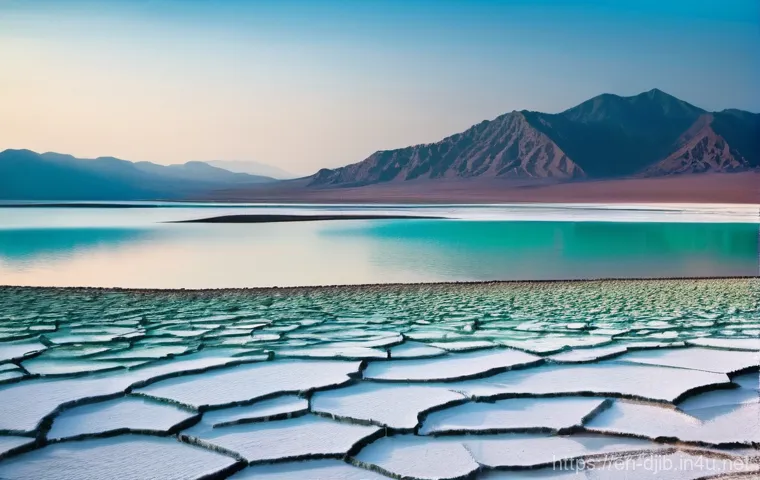
Djibouti’s landscape is something straight out of a sci-fi movie, a rugged, stark beauty that honestly took my breath away. It’s a place where the earth seems to be actively telling its ancient stories through dramatic geological formations. I remember my first glimpse of Lake Assal; the vibrant emerald green water against the blinding white salt flats and dark volcanic rock was unlike anything I had ever seen. This hypersaline crater lake is the lowest point in Africa and the third lowest on Earth, truly making you feel like you’re on another planet., You can even walk on a crust of salt so thick you could probably drive a car on it, and yes, I absolutely dipped my toes in the incredibly salty water – it’s an experience! It’s a perfect spot for photography, capturing the raw, untamed essence of the land.
Exploring Otherworldly Salt Lakes and Volcanic Vistas
Beyond Lake Assal, another jewel in Djibouti’s crown is Lac Abbé, a place that looks like it was plucked from a lunar landscape., Imagine towering limestone chimneys, some spewing sulfurous steam, scattered across a vast salt lake where flamingos often gather. It’s no wonder this surreal setting was chosen as a filming location for “Planet of the Apes.” Visiting at sunrise or sunset offers the most dramatic views, as the changing light casts long shadows and paints the chimneys in fiery hues. The journey to get there can be a bit rugged, usually requiring a 4×4, but the destination is well worth the adventure. I felt like a true explorer, navigating through what felt like an untouched wilderness. The sheer scale and geological activity here really put things into perspective, making you feel tiny in the face of such ancient power.
Discovering Hidden Green Oases and Coastal Charms
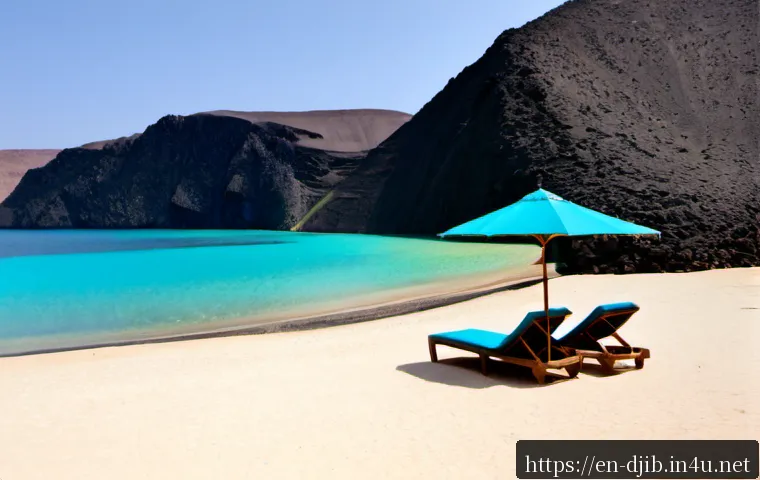
Despite its largely arid appearance, Djibouti also harbors surprising pockets of greenery. The Day Forest National Park, nestled in the Goda Mountains, is one of the country’s few remaining juniper forests and offers a refreshing contrast to the desert., While it’s suffered from climate change, it still provides a unique opportunity for birdwatching, with endemic species like the Djibouti francolin., I really enjoyed the cooler air and the chance to spot some rare birds. Then there are the coastal areas, which provide a different kind of natural beauty. Beaches like Khor Ambado, just a short drive from Djibouti City, are perfect for swimming and snorkeling in clear, warm waters teeming with marine life. I spent an afternoon there, just relaxing and soaking in the sun, watching local boats gently bobbing on the waves. It’s a lovely, more relaxed vibe after the intensity of the desert landscapes.
Diving into Djibouti’s Underwater Wonders
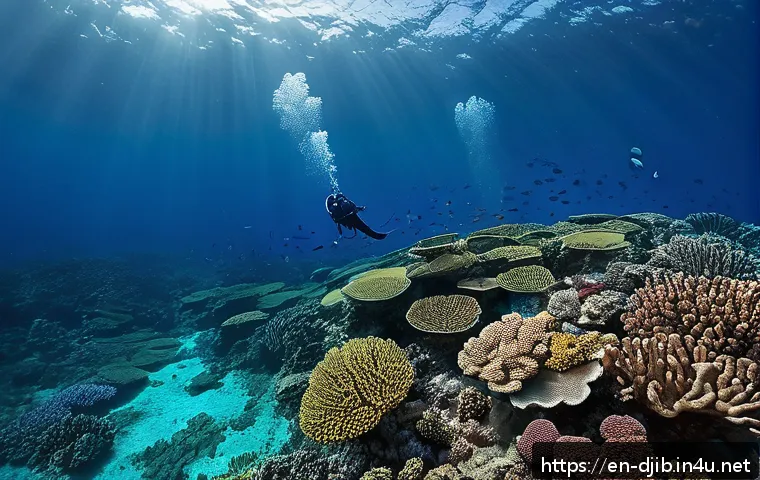
If you’re anything like me, the call of the ocean is irresistible, and Djibouti answers with some truly spectacular underwater experiences. It’s often called the “Gateway to the Red Sea,” and for good reason! The waters here are a vibrant, thriving ecosystem, an unspoiled paradise compared to some of the more crowded dive destinations. I’ve been fortunate enough to dive in many places around the world, and Djibouti’s marine life definitely stands out. The currents between the Red Sea and the Gulf of Aden create a rich environment that attracts a dazzling array of species, making it a dream for divers and snorkelers alike.,
Encountering Gentle Giants: Whale Sharks and More
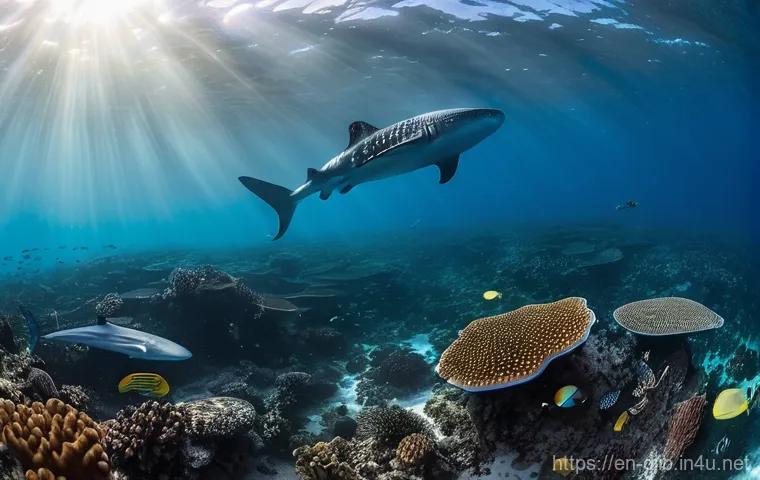
My absolute top recommendation for anyone visiting Djibouti with a love for the ocean is to experience the whale shark season. From November to January, these magnificent, gentle giants gather in the plankton-rich waters of the Gulf of Tadjoura.,, I vividly remember the feeling of slipping into the water and seeing a whale shark, easily 10 meters long, slowly cruise by. It was surreal, almost meditative, and an experience that truly connects you to the raw beauty of nature. It’s completely safe; these are filter feeders, not predators, and their presence is just awe-inspiring., Beyond whale sharks, the waters are home to manta rays, various species of dolphins playfully swimming alongside boats, and an abundance of reef fish in every color imaginable. It’s a bustling underwater metropolis that truly comes alive.
Exploring Vibrant Coral Gardens and Mysterious Wrecks
Djibouti’s dive sites are diverse, offering everything from shallow, protected bays perfect for beginners to dramatic drop-offs and intriguing shipwrecks for more experienced divers. The Seven Brothers Islands archipelago, for instance, is famous for its relatively untouched soft and hard coral reefs, which burst with life and color., I spent a day exploring these islands, marveling at the sheer biodiversity, from tiny nudibranchs to large schools of barracuda. Another fascinating spot is the wreckage of “La Dame Blanche,” a well-preserved shipwreck lying at about 25 meters, offering a glimpse into history alongside vibrant marine growth. For those who prefer to stay closer to the surface, snorkeling around places like Moucha Island offers crystal-clear waters and colorful coral formations that are easily accessible., The volcanic origins of some areas have even created unique lava reefs, providing nutrient-rich environments for thriving soft corals.
Immersing in Djiboutian Life: Culture and Cuisine
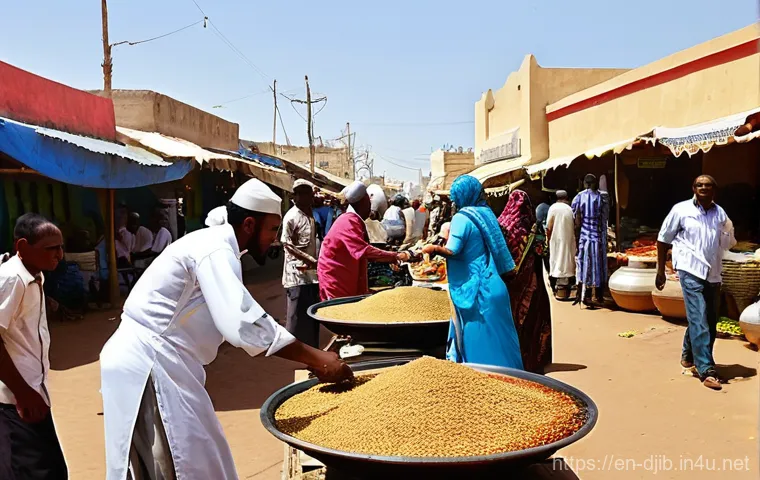
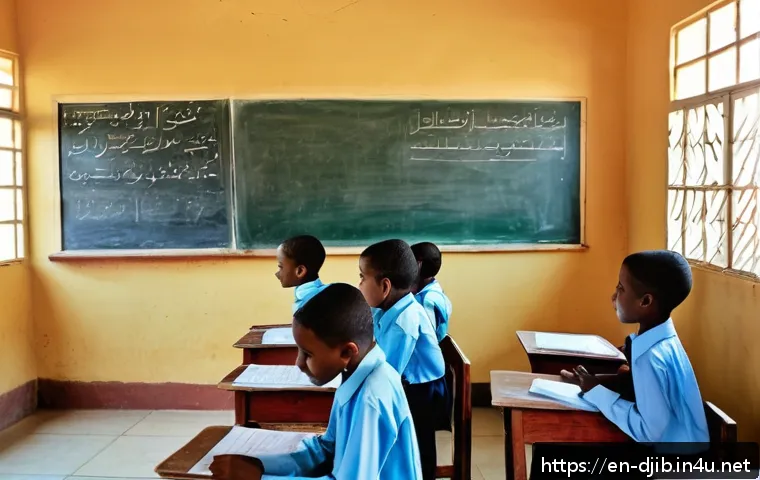
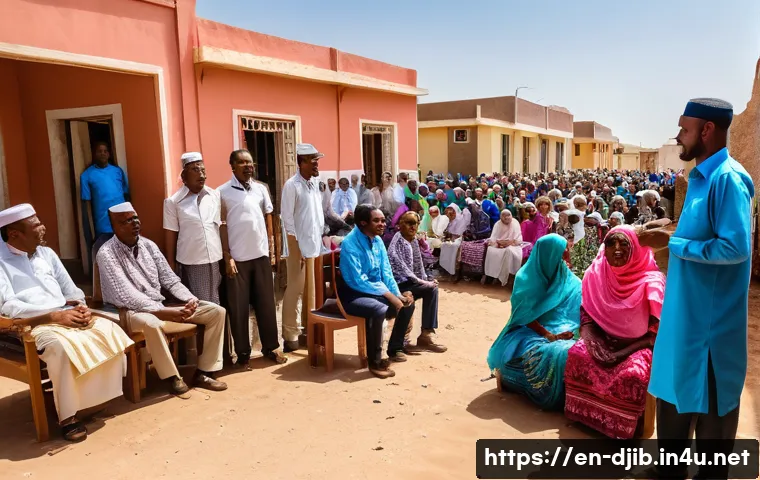
Beyond the incredible landscapes and marine adventures, what truly enriched my trip to Djibouti was connecting with its people and experiencing their vibrant culture. Djibouti is a fascinating melting pot, a crossroads of African, Arab, and French influences that have shaped everything from its architecture to its incredibly flavorful cuisine., Walking through the bustling streets of Djibouti City, you can feel this blend in the air—the smells of spices from local markets, the sound of different languages, and the sight of colonial-era buildings standing alongside traditional mosques. It’s a sensory experience that really draws you in.
Savoring the Flavors of the Horn of Africa
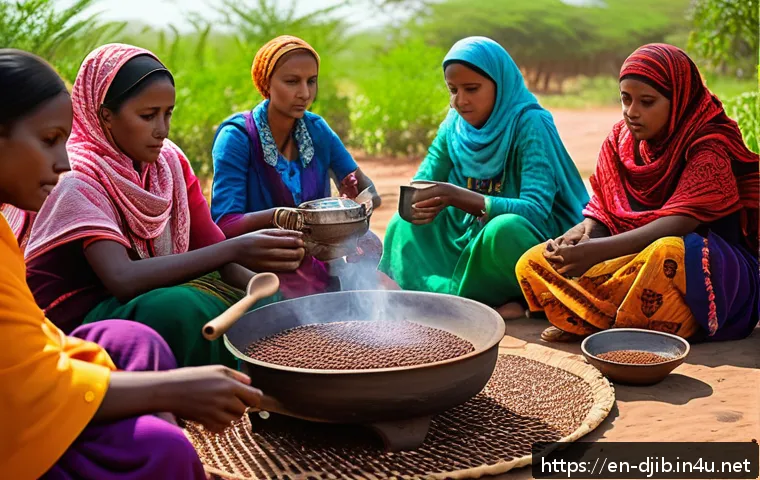
Oh, the food! Djiboutian cuisine is a delightful surprise, a mosaic of flavors influenced by its strategic location and historical trade routes., I quickly fell in love with dishes like “skoudehkaris,” a fragrant, spiced rice often cooked with tender lamb or goat. It’s hearty, flavorful, and incredibly satisfying after a day of exploring., You’ll also find “lahooh,” a pancake-like bread, which is perfect for scooping up stews and sauces., Fresh seafood is, of course, a staple, given Djibouti’s coastline. I had some incredibly delicious grilled fish in Djibouti City’s souk (marketplace) that was seasoned with local spices – an absolute must-try! Don’t be shy about trying street food; I found some fantastic “geel” (grilled meat) and “soor” (porridge) from local vendors that were authentic and delicious. And if you’re a coffee lover, you’re in for a treat; the strong Djiboutian coffee, often served with a hint of cardamom, is an experience in itself.
Embracing Local Customs and Connections
Djibouti is a predominantly Muslim country, and I found the local people to be incredibly welcoming and hospitable., Respecting local customs goes a long way in fostering positive interactions. Dressing modestly, especially when visiting religious sites or more rural areas, is always a good idea.,, For women, this means covering shoulders and knees, and for men, avoiding shorts in public. I always made sure to have a scarf handy, just in case. Learning a few basic phrases in French or Arabic (the official languages) or even Somali and Afar can also be really appreciated by locals., Beyond the language, simply being open and friendly, asking for advice, and showing genuine interest in their way of life can create some truly memorable moments. I had a wonderful conversation with a shopkeeper about his family’s history in the spice trade, which gave me such a personal insight into the country’s heritage. It’s these small, genuine connections that make travel so rewarding.
Practicalities for a Seamless Djiboutian Adventure
As much as we love the spontaneous side of travel, a little practical planning can make a world of difference, especially when you’re venturing to a place like Djibouti. Trust me, having your ducks in a row helps you truly relax and soak in the experience without unnecessary worries. From managing your money to staying safe and healthy, I’ve got a few insights from my own journey that I think will be super helpful.
Money Matters and Staying Connected
The local currency in Djibouti is the Djiboutian Franc (DJF). While credit cards are accepted in some larger hotels and restaurants in Djibouti City, cash is king, especially when you venture outside the capital or visit local markets., I found that ATMs aren’t as widely available or reliable as you might expect in other countries, so having some local cash on hand is crucial., You can exchange currency at major banks, but be cautious of street exchangers – there can be scammers., It’s wise to keep an eye on the exchange rates; typically, 1 USD is roughly equivalent to 177-178 DJF. For staying connected, while Wi-Fi is available in hotels, having a local SIM card can be a lifesaver for navigation and quick communication, though I made sure to download offline maps beforehand just in case. Don’t forget that Djibouti uses 220 volts and European sockets, so pack your adapters!
Here’s a quick overview of some essential Djiboutian travel facts:
| Category | Details |
|---|---|
| Official Languages | French, Arabic |
| Local Currency | Djiboutian Franc (DJF) |
| Best Time to Visit | November to March (cooler weather); October to January (whale sharks),,, |
| Voltage / Sockets | 220V / European (Type C, E, F) |
| Visa for US Citizens | Required, eVisa available, |
| Key Attractions | Lake Assal, Lac Abbé, Day Forest National Park, Gulf of Tadjoura (diving), |
Health and Safety: Your Peace of Mind
When it comes to health and safety, Djibouti is generally considered safer than some of its immediate neighbors, but like any travel destination, it pays to be vigilant., I always recommend exercising a high degree of caution, especially due to the threat of terrorism in the region, and being particularly aware of your surroundings, especially in crowded areas like markets where petty crime can occur.,, Avoid walking alone at night and keep valuables out of sight. I always carried a copy of my passport and visa, keeping the originals in a secure place. When you’re out exploring, especially in rural areas, stick to designated paths and sealed roads, as landmines can still be a risk near borders., Health-wise, medical facilities are limited, so comprehensive travel insurance that covers emergency medical evacuation is an absolute must-have., Staying hydrated is critical in the hot climate – always drink bottled water. And of course, consult your doctor well before your trip about recommended vaccinations; yellow fever is often mandatory if you’re coming from certain areas, and vaccines for Hepatitis A and B, Typhoid fever, and Polio are often recommended.,
글을 마치며
As I reflect on my incredible journey through Djibouti, I can honestly say it’s etched itself into my soul as one of the most uniquely enriching travel experiences I’ve ever had. It’s not just a destination; it’s an adventure that awakens your senses and truly broadens your perspective on what travel can be. From floating in the eerily beautiful, hypersaline Lake Assal to coming face-to-face with a majestic whale shark in the plankton-rich waters of the Gulf of Tadjoura, every single moment felt like a profound discovery. I came to Djibouti seeking something genuinely different, and it delivered in spades, offering a vibrant tapestry of ancient geological wonders, thriving marine life, and a culture that blends traditions from across continents. This trip wasn’t just about seeing new places; it was about feeling the pulse of a truly untamed corner of the world, connecting with genuine hospitality, and creating memories that feel utterly personal and irreplaceable. If you’ve been yearning for a travel experience that transcends the ordinary, a place that promises both profound natural beauty and deep cultural immersion, then trust me when I say, Djibouti should absolutely be at the very top of your list. It’s more than just a trip; it’s an invitation to explore the extraordinary within yourself and the world around you, leaving you with stories and a sense of wonder that will last a lifetime.
알아두면 쓸모 있는 정보
1. Visa Requirements are Key: Don’t leave your visa to chance! While options like an eVisa exist for many nationalities, including US citizens, always secure your entry permit well in advance of your travel date. It saves a significant amount of stress upon arrival and ensures a smooth, hassle-free start to your Djiboutian adventure. Double-check your passport’s validity – it generally needs to be valid for at least six months beyond your planned departure, and have those crucial blank pages for official stamps.
2. Timing Your Trip Wisely: For the most comfortable exploration of Djibouti’s stunning desert landscapes and vibrant city life, aim for the cooler months between November and March. The temperatures are far more forgiving during this period, making desert excursions and city explorations genuinely enjoyable without the intense heat. However, if your heart is truly set on swimming with the awe-inspiring whale sharks – a truly bucket-list experience – mark your calendar for October/November through January/February. That’s when these gentle giants make their grand appearance in the plankton-rich waters of the Gulf of Tadjoura, offering an utterly unforgettable encounter that will redefine your connection to marine life.
3. Cash is Your Best Friend: While you might increasingly rely on credit cards in many parts of the world, Djibouti still operates primarily on a cash basis, especially once you step outside the main hotels and larger establishments in Djibouti City. The Djiboutian Franc (DJF) is the local currency, and it’s always a prudent idea to have a healthy stash of it on hand. ATMs can be scarce and sometimes unreliable, so plan to exchange currency at reputable banks upon arrival at the airport or in the capital. Keeping smaller denominations handy will prove incredibly useful for local markets, street vendors, and small purchases.
4. Prioritize Health and Safety: Djibouti, while generally considered safer than some of its immediate neighbors, requires a mindful and vigilant approach to personal security, particularly in crowded areas. Always be aware of your surroundings and consider avoiding walking alone at night, especially in less familiar parts of the city. More importantly, comprehensive travel insurance, including emergency medical evacuation, is an absolute non-negotiable due to limited local medical facilities. Consult your doctor for necessary vaccinations well before your trip – yellow fever is often mandatory if you’re coming from certain areas, and vaccines for Hepatitis A & B, Typhoid fever, and Polio are commonly recommended.
5. Embrace the Culture with Respect: Djibouti’s rich blend of African, Arab, and French cultures is truly fascinating and a key part of its charm. As a predominantly Muslim nation, dressing modestly is a significant sign of respect, particularly when visiting religious sites or more rural communities. For women, this typically means covering shoulders and knees; for men, avoiding shorts in public is often appreciated. Learning a few basic phrases in French or Arabic can open doors to more genuine interactions with locals, and a friendly, open demeanor will almost certainly be met with the renowned Djiboutian hospitality. Immerse yourself, be respectful, and you’ll find the cultural exchanges incredibly rewarding and memorable.
중요 사항 정리
In a nutshell, Djibouti is a captivating and increasingly sought-after destination tailor-made for the adventurous soul seeking something truly extraordinary and off the beaten path. It promises a unique blend of surreal, otherworldly landscapes, from the hypersaline, vibrantly colored Lake Assal to the lunar-like Lac Abbé with its towering limestone chimneys, all paired with unparalleled underwater adventures, including incredible opportunities to swim alongside magnificent whale sharks. Culturally, it offers a fascinating glimpse into a dynamic crossroads of African, Arab, and French civilizations, seasoned with delicious, diverse cuisine and warm, welcoming people. While it undeniably requires careful planning regarding visas, local currency management, and health precautions, the profound rewards of exploring this Horn of Africa gem far outweigh any logistical considerations. It’s a journey that guarantees not just beautiful photos for your feed, but truly profound experiences and a deeper connection to our planet’s diverse wonders, leaving you with stories that will inspire and resonate for years to come.
Frequently Asked Questions (FAQ) 📖
Q: How do you actually get to Djibouti, and what’s the deal with visas for international travelers?
A: This is always the first hurdle for any off-the-beaten-path destination, right? But trust me, getting to Djibouti is far more accessible than you might initially think.
Most international travelers fly into Djibouti-Ambouli International Airport (JIB). While there aren’t many direct flights from North America or Europe, you’ll find excellent connections through major hubs like Addis Ababa with Ethiopian Airlines, Istanbul with Turkish Airlines, or even Paris with Air France.
I’ve personally flown through Dubai and Addis Ababa, and the connections were surprisingly smooth. Always check for layovers that work best for your schedule!
Now, about the visa – this is where Djibouti has really made things easier! For many nationalities, you can actually apply for an electronic visa (eVisa) online before you travel.
It’s a fantastic system that streamlines the process and replaces the old visa-on-arrival for many. I remember the relief of getting my eVisa approved quickly.
You’ll typically need to submit a scanned copy of your passport (which needs at least six months of validity, by the way!), a recent passport-sized photo, and a copy of your flight itinerary and accommodation bookings.
The eVisa is usually for single entry and can grant you a stay of either 14 or 90 days for tourism purposes. Just make sure all your documents are clear and accurate, and you’re good to go!
Q: I’m ready to dive in! What are the absolute must-do experiences once I’m there? What shouldn’t I miss?
A: Oh, you are in for a treat! Djibouti truly offers experiences that will make your jaw drop and challenge your perception of “exotic.” From my own travels, these are the absolute must-dos:First up, you have to visit Lake Assal.
This isn’t just any lake; it’s the lowest point in Africa and one of the most saline lakes in the world, even saltier than the Dead Sea! The landscape around it is utterly otherworldly – think shimmering white salt flats stretching as far as the eye can see, contrasting with the vibrant turquoise water and volcanic rock formations.
Floating effortlessly in its hypersaline waters is a sensation you won’t forget. It felt like stepping onto another planet! Next, prepare for the surreal beauty of Lake Abbe.
Located on the border with Ethiopia, this place is often described as resembling a lunar landscape, and for good reason. It’s famous for its towering limestone chimneys that spew steam, a stark, dramatic backdrop often dotted with pink flamingos.
Catching a sunrise or sunset here is a truly unforgettable experience; the way the light plays on the formations is just magical. And for all my fellow marine life lovers, if you’re there between November and March, snorkeling or diving with whale sharks in the Gulf of Tadjoura is an absolute game-changer.
These gentle giants congregate in these waters, offering an incredible opportunity to swim alongside them. It was easily one of the most profound wildlife encounters of my life!
Of course, take some time to explore Djibouti City itself – its bustling markets, historic mosques like Hamoudi Mosque, and the charming European Quarter offer a fascinating blend of cultures.
Q: Is Djibouti safe for solo travelers or families, and when is the best time of year to plan a trip to avoid extreme heat?
A: I totally get this question, especially when venturing to less-traveled destinations. From my perspective and what I’ve experienced, Djibouti is generally considered safe for travelers, often more so than some of its immediate neighbors in the Horn of Africa.
Like anywhere, common sense goes a long way. In crowded areas like markets in Djibouti City, it’s wise to be mindful of petty theft like pickpocketing, so keep your valuables secure.
I always recommend a cross-body bag or a money belt for peace of mind. While violent crime is low, it’s best to avoid walking alone in isolated areas, especially after dark.
Also, stick to main roads and consider local guides when venturing into remote regions, as there are still some areas with unremoved landmines, particularly near borders.
Respecting local customs, like dressing modestly, especially when visiting religious sites, is always appreciated and helps you connect more genuinely with the friendly Djiboutian people.
Now, for the best time to visit to beat the heat: You definitely want to aim for the cooler, dry season, which runs from roughly November to March or early April.
During these months, temperatures are much more pleasant, typically ranging from the mid-70s to mid-80s Fahrenheit (around 25-30°C), which is ideal for exploring all those incredible landscapes without feeling overwhelmed.
If you go in December, January, or February, you’ll also hit the prime whale shark season, which is a fantastic bonus! Believe me, you want to avoid the hot season from May to October; temperatures can soar well over 100°F (40°C), making outdoor adventures a real challenge.
Planning your trip for the cooler months will significantly enhance your experience and allow you to truly immerse yourself in all the wonders Djibouti has to offer!