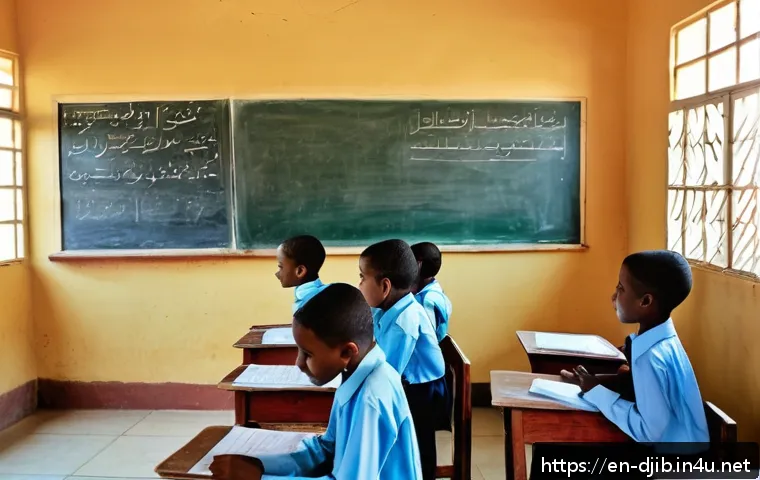
Djibouti may suit students who want a Djibouti-based higher-education experience and are prepared to verify program details directly before applying. The University of Djibouti is the country’s public higher-education institution, while language, tuition, entry requirements, and program availability require current confirmation.

French is important in many formal education and administrative settings, and Arabic is also an official language. Local and international applicants should compare degree level, teaching language, credential recognition, and full living costs—not tuition alone.
For students relocating from abroad, document preparation, housing planning, and residence procedures should be addressed early. A clear comparison plan can also help when considering language courses, student housing, or credential evaluation support.
At a Glance
- The University of Djibouti is a public higher-education institution established in 2006.
- French matters: it is important in many formal education and administrative contexts in Djibouti.
- Confirm the current program, teaching language, admissions rules, tuition, and recognition status directly before applying.
| Decision Area | What to Compare | What to Confirm Before Applying |
|---|---|---|
| Institution type | Public university study versus any private or specialized option you are considering | Current availability, program status, and admission route |
| Program fit | Degree level, subject area, career relevance, and future study plans | Course content, award level, and qualification recognition |
| Language | French and Arabic needs, plus any stated language support | Exact language of instruction and document-language requirements |
| Budget | Tuition, housing, health coverage, transport, and document expenses | Current costs in Djiboutian franc (DJF) and payment timing |
What Higher Education in Djibouti Looks Like
Higher-education planning in Djibouti should begin with a practical question: does the available program match your academic and career direction? The country’s public higher-education landscape includes the University of Djibouti, which was established in 2006. Applicants should treat online summaries and older brochures as starting points, not final admissions evidence.
The Role of the University of Djibouti
The University of Djibouti is a public higher-education institution in Djibouti. For many applicants, it will be the first institution to review when looking for a local university pathway. However, a university name alone does not answer the most important decision questions. You still need to check whether the relevant subject area, degree level, teaching language, and entry route are currently offered.
This is especially important if you expect to use the qualification abroad later. A program that fits your immediate interests may not automatically meet the recognition expectations of another university, employer, or professional body. Ask for current, institution-specific information before treating a program as a firm option.
What Prospective Students Should Verify Before Shortlisting Programs
Make a shortlist only after checking four points: the degree level, the subject area, the teaching language, and the qualification’s intended use. Then ask about current admissions requirements, tuition, application timing, and required documents. These items may change by academic year.
If you are comparing study-abroad planning services or application-support options, use them for organization rather than assumptions. The final source for an admission decision is the institution itself.
Comparing Programs, Language Requirements, and Study Costs
A useful comparison is not simply “which option costs less?” It is “which option is suitable after language needs, academic goals, and relocation costs are included?” This approach helps prevent an attractive tuition figure from becoming an incomplete budget.
Degree Level, Subject Area, and Career Relevance
Start with the qualification you need: an undergraduate pathway, further study, or a program connected to a specific career goal. Compare the stated curriculum or program description with your previous education and your next intended step. If you plan to seek work or continue studying outside Djibouti, check how the qualification may need to be evaluated in that destination.
Credential evaluation can be a useful planning tool when future recognition matters. Do not wait until graduation to find out that a receiving institution or employer needs specific documents, translations, or verification.
French and Arabic Language Considerations
Djibouti’s official languages are Arabic and French. French is important in many formal education and administrative contexts. That means an applicant should not assume that a program is taught in English, even if they find an English-language description online.
Before applying, ask which language is used for lectures, examinations, course materials, student services, and official communication. If French preparation is needed, compare language courses based on practical factors: level placement, schedule, location, and whether the course supports academic communication. Arabic may also be relevant depending on the setting and administrative process.
Tuition, Living Expenses, and Budget Categories in DJF
Build your study budget in DJF, the Djiboutian franc, and separate one-time costs from ongoing expenses. Tuition is only one category. A complete plan should include housing, utilities where applicable, food, local transport, health coverage, communication, learning materials, and document-related costs.
For international applicants, add potential expenses for document translation, credential checks, legalization where required, travel, and entry or residence procedures. Exact tuition, scholarship availability, residence costs, and deadlines can change, so request current figures directly from the institution and relevant providers. When comparing student housing, look beyond the monthly amount and ask what is included and what must be arranged separately.
Admissions Steps and Documents to Prepare
Admissions preparation is easier when handled as a document project rather than a last-minute form submission. Keep original academic records secure, make clear copies, and prepare a list of questions for each institution.
Academic Records, Translations, and Credential Checks
Applicants may need academic records and supporting documents that can be understood by the receiving institution. If your documents are in a different language, confirm whether a translation is needed, which languages are accepted, and whether any particular format or verification is required. Never assume a translation completed for one school or country will be accepted everywhere.
A credential check can be particularly relevant for applicants whose prior education was completed abroad. Confirm what the institution needs before paying for translation or evaluation services. This reduces the risk of ordering documents in the wrong format.
Application Timelines and Direct Institution Confirmation
Application deadlines and intake schedules may change. Contact the institution directly to confirm the current application period, document deadline, processing steps, and any language-related requirements. Keep written records of the information you receive, including the date and the program name discussed.
Do not make housing or travel commitments based only on an expected admission outcome. Wait for the appropriate confirmation and review all conditions attached to the offer or enrollment process.
International Student Entry and Residence Planning
International students should plan early for entry and residence arrangements. Visa, residence-permit, and document legalization requirements depend on nationality and individual circumstances. The appropriate requirements should be confirmed through official channels and the institution’s current international admissions guidance.

Keep your planning sequence simple: confirm program fit, understand the admissions process, prepare documents, review the budget, then address travel and residence steps. This order helps avoid paying for services before you know they are needed.
Choosing the Right Path for Your Situation
The best route depends on where you studied previously, the language you use confidently, and what you want the qualification to support next.
Local Secondary-School Graduates
Local applicants can begin by matching their secondary-school background with the current entry requirements for the intended degree level. Focus on subject fit, application documents, and the language used in the learning environment. Ask early about the current admissions process rather than relying on information from a previous academic year.
Regional Applicants and French-Speaking Students
Regional applicants who are comfortable using French may find that language preparation is a central comparison point rather than an afterthought. Even then, confirm the exact teaching language and administrative requirements for the individual program. Prior study completed in another country may also require document review or recognition checks.
International Applicants Seeking a Djibouti-Based Study Experience
For applicants relocating to Djibouti, academic suitability and daily-life planning must work together. Review student housing options, local transport needs, health coverage, document translation, and residence planning alongside tuition. A lower apparent academic cost does not necessarily mean a lower total cost once relocation expenses are included.
Common Planning Mistakes to Avoid
Assuming a Program Is Taught in English
English-language web content does not confirm English-language instruction. Since French is important in formal education and administration in Djibouti, verify the language of lectures, assessments, documents, and student support directly with the institution.
Comparing Tuition Without Calculating Living Costs
Tuition should be compared with the complete cost of studying in Djibouti. List every category in DJF: tuition, housing, health coverage, food, local transport, communication, learning materials, and document expenses. For overseas applicants, include travel and any required administrative preparation.
Skipping Qualification-Recognition Checks
If your long-term goal involves another country, employer, or university, do not assume the recognition process will be simple. Check what documents may be requested later and whether translation or credential evaluation could be relevant. This is a planning step, not a guarantee of recognition.
Choosing a University and Planning Your Budget
Before making a final choice, compare program relevance, teaching language, current entry rules, total DJF budget, document needs, and future recognition plans. Confirm whether the program supports your next goal, whether you can meet the language demands, and whether your budget includes both tuition and daily living costs.
For a clearer final comparison, review student housing options, French or Arabic language-course choices, and application-support or credential-evaluation services only after confirming what the institution actually requires. Official guidance and detailed current conditions should be checked on the relevant institution or service page.
In Closing
Studying in Djibouti begins with accurate, current information rather than assumptions. The University of Djibouti is an important public institution to consider, but every applicant should verify the specific program and admissions details that apply to them. Language planning deserves special attention because French is significant in formal education and administration. A realistic DJF budget and an early document plan can make the application process more manageable.
Useful Information to Keep in Mind
1. Use DJF when organizing your local study budget.
2. Confirm the exact language of instruction rather than assuming English availability.
3. Separate tuition from housing, health coverage, transport, and document expenses.
4. Check qualification recognition before committing if you plan to use the degree abroad.
5. Ask institutions for current deadlines, fees, and entry requirements.
Important Notes
Tuition fees, scholarships, deadlines, residence costs, program availability, and teaching languages may change by institution and academic year. Visa, residence-permit, document legalization, and qualification-recognition requirements depend on nationality, destination, and personal circumstances. Always confirm current conditions directly with the relevant institution and official authorities before applying or making payments.
Frequently Asked Questions
Q1. What is the main public university in Djibouti?
A1. The University of Djibouti is a public higher-education institution in Djibouti. It was established in 2006. Applicants should contact the institution directly to confirm current programs, admissions requirements, and teaching language.
Q2. How much does it cost to study and live in Djibouti as an international student?
A2. Current tuition and living costs should be confirmed directly because they may vary by institution and academic year. Plan in Djiboutian franc (DJF) for tuition, housing, health coverage, food, local transport, communication, learning materials, travel, and document-related expenses.
Q3. Do students need French to attend university in Djibouti?
A3. French is important in many formal education and administrative contexts in Djibouti. The exact language of instruction and assessment can vary by program, so students should confirm the current language requirements directly with the institution before applying.