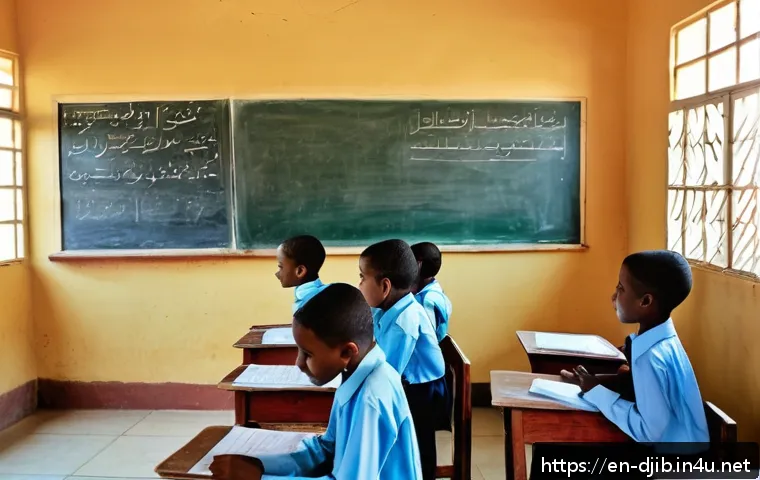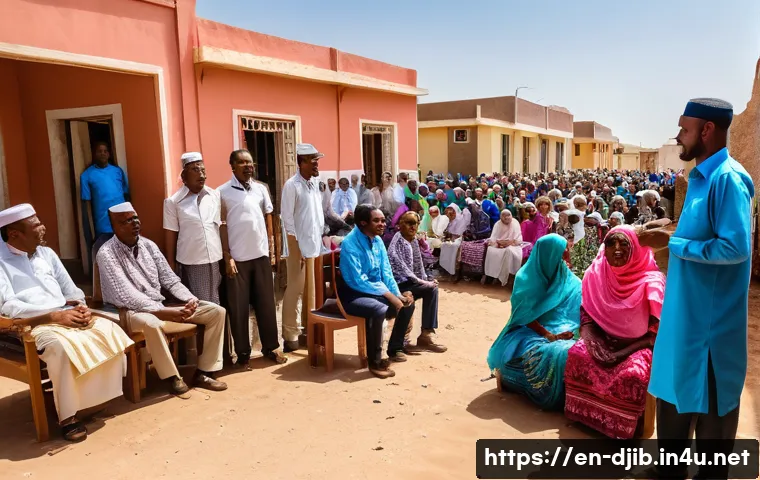
Djibouti, a nation often overlooked, holds secrets whispered on the windswept plains and etched into ancient rock. Beyond its strategic port and bustling markets lies a treasure trove of history and culture, recognized by UNESCO’s World Heritage designation.
These aren’t just old stones; they’re echoes of empires, crossroads of trade, and silent witnesses to the evolution of humanity. From what I’ve gathered, based on recent trends, we’re seeing increased interest in lesser-known World Heritage sites, with travelers seeking unique and authentic experiences.
Plus, studies predict a rise in cultural tourism focused on understanding the interconnectedness of global heritage. My initial thoughts are, Djibouti is perfectly positioned to become a hot spot for this new wave of exploration.
Let’s delve deeper and uncover the wonders of Djibouti’s World Heritage!
Alright, let’s dive into Djibouti’s hidden gems!
Unveiling the Tapestry of Ancient Trade Routes
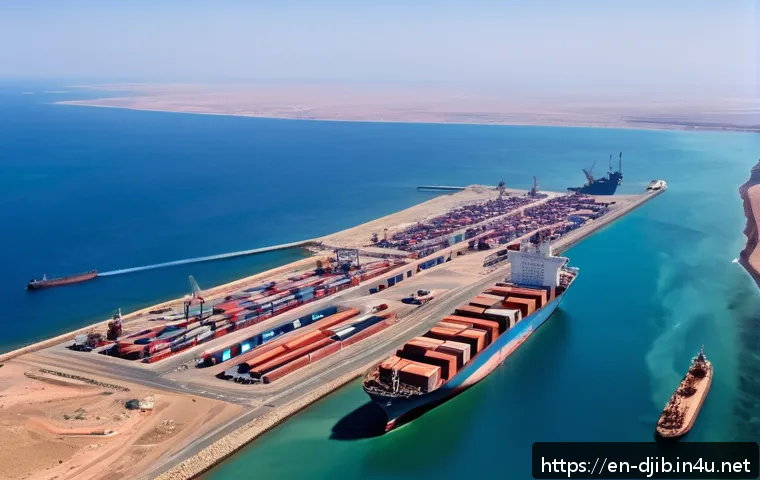
It’s crazy how many people think Djibouti is just a pit stop on the way to somewhere else. I mean, sure, its location is strategic, but underneath that modern veneer lies a story etched in centuries of trade winds and cultural exchange.
Think about it: for millennia, ships laden with spices, silks, and stories have passed through these waters, leaving their mark on the land and its people.
It’s like, you can practically feel the history humming in the air when you walk through the old port. What I’m getting at is, it’s not just a port; it’s a living museum, and we need to treat it that way!
The Maritime Silk Road’s Echoes
I was reading up on this, and it turns out Djibouti was a key point on the Maritime Silk Road. Imagine the hustle and bustle! Ships from China, India, and Arabia all converged here, swapping goods and ideas.
The place must have been a melting pot, and that cultural fusion is still visible today in the architecture, the food, and the very faces of the people.
Honestly, I wish I could go back in time and witness it firsthand.
Gateways to the African Interior
Djibouti didn’t just connect East and West; it was also a vital gateway to the African interior. Caravans laden with gold, ivory, and slaves would trek across the desert, passing through Djibouti on their way to faraway lands.
It’s a sobering thought, but it’s also an essential part of the story. These routes weren’t just about commodities; they were about people, their journeys, and the incredible resilience it took to survive in such harsh conditions.
I’m telling you, it’s a much deeper history than you’d expect.
Journey to the Depths of Lake Assal: A Geological Marvel
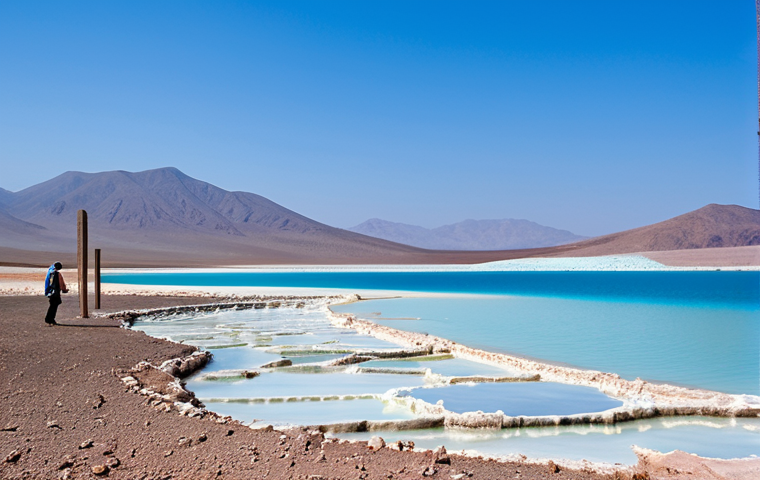
Okay, so picture this: you’re standing at the edge of a massive salt lake, shimmering under the relentless African sun. The air is dry, and the landscape is stark and otherworldly.
This, my friends, is Lake Assal, one of the lowest points on Earth and a geological marvel to behold. But it’s not just about the extreme conditions; it’s the surreal beauty of the place that really gets you.
The vibrant colors of the salt crystals, the bizarre rock formations, and the sheer scale of the landscape are mind-blowing. For me, Lake Assal is a prime example of why Djibouti is more than just a transit hub; it’s a destination in its own right.
The Science Behind the Scenery
Here’s the nerdy bit: Lake Assal is a hypersaline lake, meaning it’s way saltier than the ocean. This extreme salinity creates all sorts of weird and wonderful geological formations.
Think salt pillars, crystal encrustations, and mineral deposits that look like alien landscapes. It’s like stepping onto another planet! I’ve heard some scientists even think that studying Lake Assal can give us clues about the conditions on early Earth or even on other planets with similar saline environments.
Mind. Blown.
Beyond the Salt: Life’s Tenacity
What’s really cool about Lake Assal is the fact that life, in its own weird way, finds a way to flourish even in this extreme environment. You’ve got these extremophile microorganisms that thrive in the salty waters, and unique desert plants and animals adapted to survive the harsh conditions.
It’s a testament to the resilience of life and the incredible ability of organisms to adapt to even the most inhospitable environments. It makes you wonder what else is out there, right?
Echoes of French Colonialism in Djibouti City
Djibouti City is a fascinating mix of old and new, and one of the most noticeable influences is its French colonial past. You can see it in the architecture, the language, and even the way people interact with each other.
Exploring the city, you’ll find grand colonial buildings standing alongside bustling markets and modern developments. It’s kind of like walking through time, witnessing the layers of history that have shaped this unique place.
Architecture as a Time Capsule
What I find fascinating is the colonial architecture. Buildings like the Presidential Palace and the old train station are like relics of a bygone era, telling stories of French influence and Djibouti’s transformation.
I’m not a historian, but you can’t help but wonder about the power dynamics and the lives of the people who lived and worked in these buildings. The architecture itself becomes a way to connect with the past and understand the city’s evolution.
The Lingering Legacy: Language and Culture
The French influence extends beyond just the buildings; it’s woven into the fabric of Djibouti’s culture. French is still an official language, and many Djiboutians speak it fluently.
You’ll hear it in the shops, in the streets, and in government offices. It’s a reminder of the close ties that still exist between Djibouti and France, and the complex relationship that has shaped the country’s identity.
I guess you could say it’s a reminder that history is never truly gone, it’s always present in some form or another.
Diving into the Red Sea’s Underwater Paradise
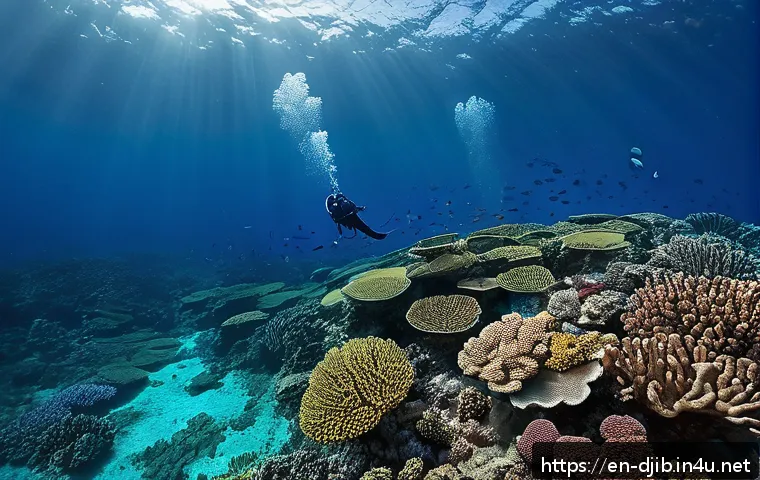
Okay, this is where things get really exciting! Djibouti isn’t just about deserts and history; it’s also got some killer underwater scenery. The Red Sea is renowned for its incredible marine biodiversity, and Djibouti is right in the heart of it.
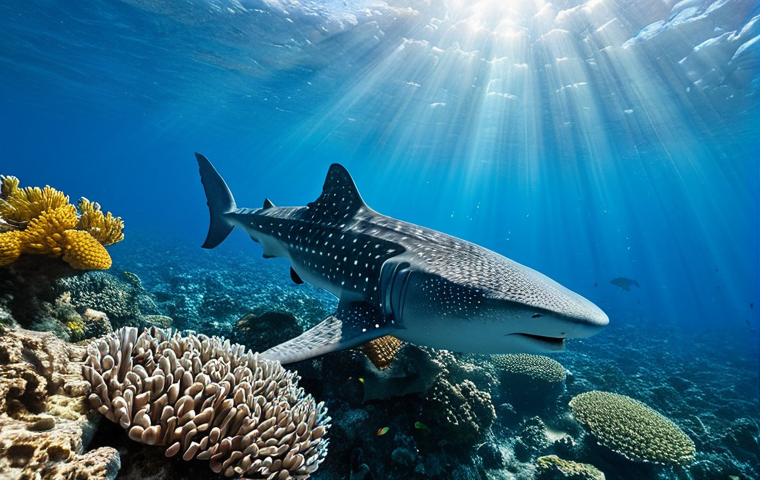
Imagine yourself diving into crystal-clear waters, surrounded by vibrant coral reefs, colorful fish, and maybe even a whale shark or two. It’s an experience that’ll stay with you long after you’ve surfaced.
Coral Reefs: A Burst of Color
What really blows me away is the coral reefs. They are teeming with life, offering a kaleidoscope of colors and shapes. You’ll find everything from delicate branching corals to massive brain corals, all providing habitat for a dazzling array of fish and invertebrates.
Honestly, it’s like swimming through an underwater garden.
Whale Sharks: Gentle Giants of the Deep
Now, if you’re really lucky, you might encounter a whale shark. These gentle giants are the largest fish in the world, and they’re often seen off the coast of Djibouti.
Swimming alongside these magnificent creatures is an absolutely unforgettable experience. Seriously, just imagine gliding through the water next to something that’s bigger than your car!
It’s humbling and awe-inspiring at the same time.
Embracing Nomadic Traditions: A Glimpse into Afar Culture
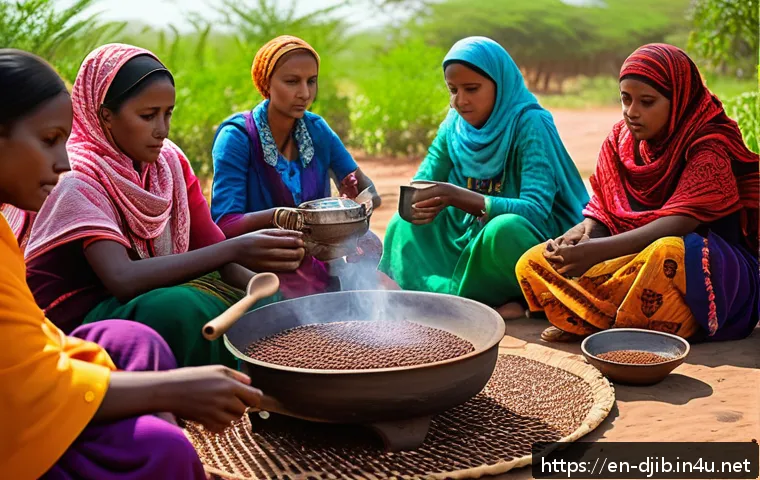
Djibouti isn’t just a geographic crossroads; it’s a cultural one. The Afar people, with their nomadic traditions, have shaped the landscape and the very soul of Djibouti for centuries.
Getting to know their culture is like stepping back in time, experiencing a way of life that’s deeply connected to the land and its rhythms. It’s a reminder that there are other ways of living, other ways of seeing the world.
Living in Harmony with the Desert
What’s fascinating about the Afar is how they’ve adapted to the harsh desert environment. They’ve developed ingenious ways to find water, to herd livestock, and to navigate the vast expanses of the desert.
Their knowledge of the land is incredible, and it’s something we could all learn from. I mean, talk about resilience!
Hospitality and Storytelling
When you get the chance to interact with the Afar, you’ll find that hospitality is a big part of their culture. They are incredibly welcoming and generous, always willing to share what they have.
And they are amazing storytellers. Sitting around a campfire, listening to their tales of desert life and ancient traditions, is an experience you won’t soon forget.
I’m telling you, it’s like opening a window into another world.
The Day Forest National Park: An Oasis of Green
Let’s be real, when you think of Djibouti, you probably picture a desert. But did you know that Djibouti actually has a forest? The Day Forest National Park is a surprising oasis of green, nestled in the Goda Mountains.
It’s a completely different landscape from the rest of the country, offering a refreshing escape from the arid plains. Think lush vegetation, rare bird species, and stunning mountain views.
It’s the perfect place to reconnect with nature and appreciate the diversity of Djibouti’s landscapes.
A Sanctuary for Wildlife
What’s amazing about the Day Forest is that it’s home to a number of endemic species, meaning they’re found nowhere else on Earth. Think the Djibouti spurfowl, a critically endangered bird that calls this forest home.
Protecting these unique species and their habitat is crucial, and it’s something that Djibouti is actively working on. I’d recommend you to grab your binoculars!
Hiking and Exploration
If you’re looking for a bit of adventure, the Day Forest offers some fantastic hiking opportunities. You can trek through the forest, climb to the top of the mountains, and enjoy panoramic views of the surrounding landscape.
It’s a great way to get some exercise, breathe in the fresh mountain air, and discover the hidden beauty of this unexpected oasis. Just be sure to wear sturdy shoes!
| Location | Highlights | Activities | Best Time to Visit |
|---|---|---|---|
| Lake Assal | Salt lake, volcanic landscape, extreme environment | Photography, geological exploration | October to April (cooler months) |
| Djibouti City | Colonial architecture, bustling markets, cultural experiences | City tours, shopping, dining | October to April (cooler months) |
| Red Sea | Coral reefs, whale sharks, marine biodiversity | Diving, snorkeling, boat trips | October to May (whale shark season) |
| Day Forest National Park | Lush forest, endemic species, mountain views | Hiking, birdwatching, nature walks | October to April (cooler months) |
Wrapping Up
Djibouti, often overlooked, reveals itself as a fascinating blend of history, nature, and culture. From the ancient trade routes that shaped its identity to the stunning landscapes of Lake Assal and the vibrant marine life of the Red Sea, there’s so much to discover. It’s a place that challenges your expectations and leaves you with a deeper appreciation for the diversity of our planet. So, ditch the stereotypes, pack your bags, and prepare to be amazed by the hidden gems of Djibouti.
Good to Know
1. Currency: The Djiboutian Franc (DJF) is the official currency. Credit cards are accepted in major hotels and restaurants, but it’s best to have cash for smaller establishments and local markets.
2. Language: French and Arabic are the official languages, but Somali and Afar are also widely spoken. Learning a few basic French phrases can be helpful.
3. Visa: Most nationalities require a visa to enter Djibouti. It’s advisable to check the latest visa requirements with your embassy or consulate before traveling.
4. Health: Consult your doctor about recommended vaccinations and malaria prophylaxis before your trip. It’s also important to drink bottled water and practice good hygiene to avoid illness.
5. Transportation: Taxis are the most common mode of transportation in Djibouti City. For exploring outside the city, consider hiring a car with a driver or joining a guided tour.
Key Takeaways
Djibouti’s strategic location has made it a hub for trade and cultural exchange throughout history.
Lake Assal is one of the lowest points on Earth and a geological wonder.
The Red Sea offers world-class diving and snorkeling opportunities, including the chance to see whale sharks.
The Afar people maintain a rich nomadic culture deeply connected to the desert environment.
The Day Forest National Park is a surprising oasis of green, home to unique wildlife.
Frequently Asked Questions (FAQ) 📖
Q: What specific UNESCO World Heritage site(s) is Djibouti home to, and what makes them so special?
A: Okay, so Djibouti doesn’t have a site currently inscribed on the official UNESCO World Heritage List. It does, however, have several sites on the Tentative List, which basically means they’re being considered for nomination in the future.
Thinking back, it’s easy to see why people think it does have a site, given the rich history in that area of the world. While I couldn’t find the exact reason why, the “Day Forest National Park” has been put forward, with the ancient rock art sites nearby, which would be fantastic!
They showcase the incredibly old human presence in the region and offer a glimpse into the lives of past civilizations, similar to the Lascaux caves in France but with a distinctly African flavor.
The park is home to some of the most fascinating archaeological sites in the region which makes it a natural, and cultural, treasure. It’s these sorts of places that can really transport you and make you reflect on human evolution.
Q: If I’m planning a trip to Djibouti focused on its potential World Heritage sites, what kind of experience can I realistically expect?
A: Well, imagine yourself stepping back in time! Though the sites are not yet official UNESCO locations, you can still experience the raw, untouched beauty and historical significance.
Don’t expect perfectly manicured trails or fancy visitor centers. It’s more of an adventurous, off-the-beaten-path kind of thing. You’ll probably need to hire local guides who really know the land and can interpret the rock art for you (since there’s likely limited signage in English).
Think of it like discovering a hidden gem before everyone else does. You’d be experiencing the genuine, authentic Djibouti, and that’s far more rewarding than visiting an over-touristed location, in my view.
In terms of modern-day conveniences, be prepared for a truly immersive experience. So, make sure you pack everything you may need.
Q: Why is Djibouti’s potential World Heritage status important, not just for tourism but for the country itself?
A: From what I understand, beyond just drawing in more tourists (which is definitely a plus), a World Heritage designation can be a real game-changer for Djibouti.
I’ve seen this happen in other small countries. It brings attention to the country’s unique cultural and natural heritage, encouraging preservation efforts.
Think of it like getting a global spotlight on the importance of protecting these sites for future generations. It can also lead to increased funding for conservation and sustainable development projects.
Plus, it gives local communities a sense of pride and ownership in their heritage. Honestly, I feel like it’s a win-win for everyone involved. It helps Djibouti share its story with the world, and in turn, the world learns a little something from Djibouti.
📚 References
Wikipedia Encyclopedia
구글 검색 결과
구글 검색 결과
구글 검색 결과
구글 검색 결과
구글 검색 결과