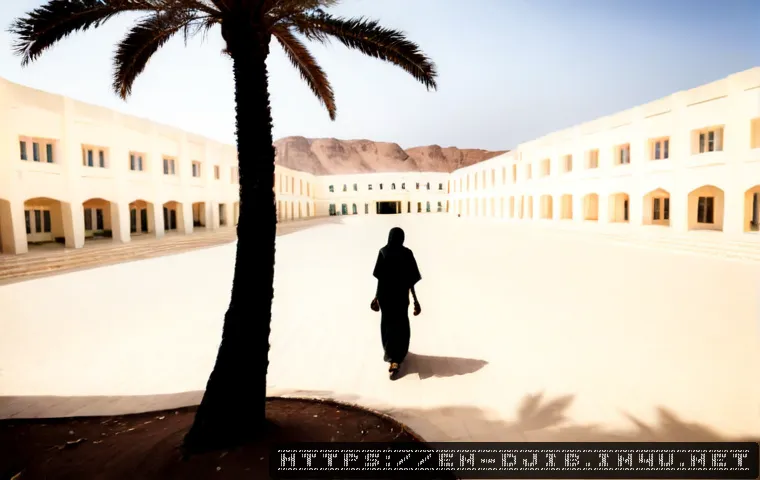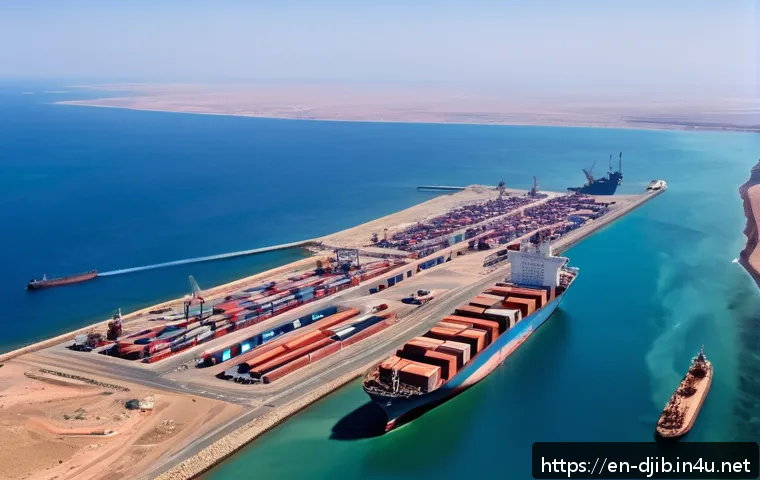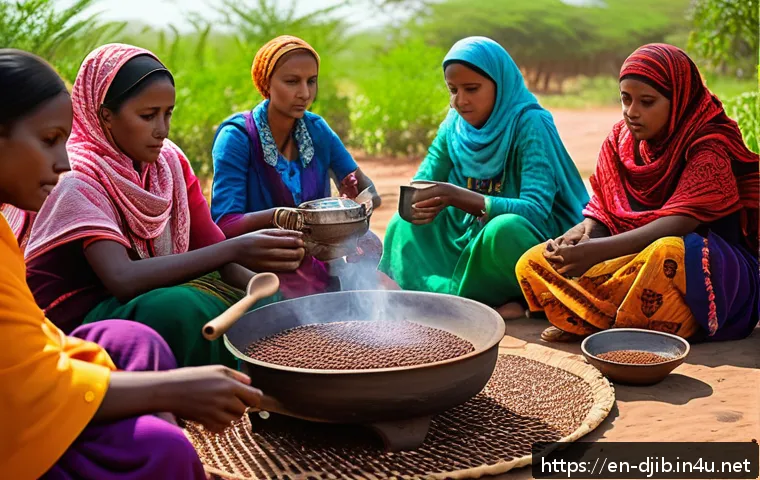
Djibouti is tropical by latitude, but it is not an equatorial country: it lies in the Horn of Africa, roughly 11–13 degrees north of the Equator. Its generally hot, arid conditions are very different from the wetter conditions many people associate with equatorial destinations.
The key is to separate location from climate, because being in the tropics does not automatically mean rainforest weather. For travelers, this comparison helps narrow down the right mix of scenery, outdoor comfort, accommodation, tours, and insurance considerations.
For students and geography readers, it shows why latitude is only one part of a country’s climate story. Exact weather, transport, entry conditions, and trip prices should always be checked for the specific place and travel date.
At a Glance
- Djibouti is north of the Equator, although it is located within the tropical latitudes.
- Djibouti is generally hot and arid, while many equatorial areas receive more regular rainfall.
- Travel planning should focus on local climate, terrain, activities, and current logistics, not latitude alone.
| Comparison Point | Djibouti | Countries on or Near the Equator |
|---|---|---|
| Location | Horn of Africa, roughly 11–13 degrees north latitude | The Equator crosses parts of South America, Africa, and Southeast Asia |
| Climate pattern | Generally hot and arid, with low and irregular rainfall in much of the country | Often wetter, but conditions vary greatly by altitude, coast, forest cover, and winds |
| Humidity and rain planning | Sun, dry conditions, and dust may be major planning factors | Rain, humidity, wet ground, and mosquito exposure may require more attention in some areas |
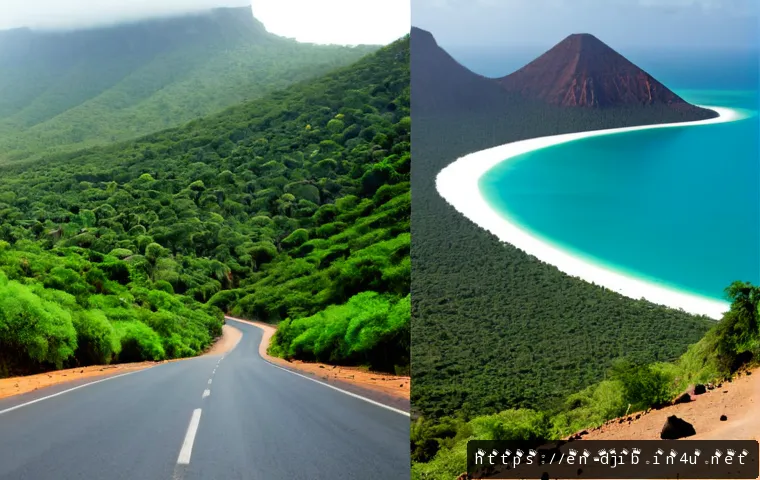
| Landscape | Volcanic terrain, salt lakes, coastal areas, and dry plains | Can include rainforest, rivers, highlands, coasts, dry zones, and wildlife areas |
| Trip planning focus | Heat tolerance, outdoor timing, guided access, and suitable lodging | Regional weather, transport connections, rainforest or highland conditions, and activity access |
| Likely trip costs | Varies by route, accommodation type, transport, tours, and booking timing | Also varies widely; compare the full itinerary rather than country labels alone |
Is Djibouti an Equatorial Country?
Quick Answer: Tropical Location, but North of the Equator
No, Djibouti is not on the Equator. It is located in the Horn of Africa at roughly 11–13 degrees north latitude. That position places it in the tropics, but “tropical” and “equatorial” are not interchangeable terms. An equatorial country is crossed by, or sits very close to, the Equator itself.
The Equator crosses countries including Ecuador, Colombia, Brazil, Gabon, the Republic of the Congo, the Democratic Republic of the Congo, Uganda, Kenya, Somalia, and Indonesia. Djibouti is farther north than this equatorial belt, even though its daylight length changes relatively little across the year compared with places at higher latitudes.
Why Latitude Alone Does Not Determine Climate
Latitude is a useful starting point, but it does not provide a complete weather forecast. Djibouti’s generally hot, dry setting differs from the frequent-rain image often linked with equatorial rainforest regions. Rainfall, humidity, elevation, ocean influence, forests, and seasonal winds can all shape the experience of a destination.
This matters when comparing a Horn of Africa trip with a journey to Central Africa, northern South America, or Southeast Asia. Two places may both be tropical, yet one may call for strong sun protection and dry-weather planning while another may require rain gear, quick-drying clothing, and more flexible outdoor scheduling.
Three Key Differences Travelers and Students Should Know
First, location is not climate: Djibouti is tropical in latitude but is not equatorial. Second, dry heat and humid heat feel different in practical travel terms, especially during long outdoor activities. Third, landscapes are not determined by latitude alone. Djibouti is known for dry plains, coastal areas, salt lakes, and volcanic terrain rather than extensive equatorial rainforest.
A useful comparison begins with the exact region, not a broad label such as “Africa,” “the tropics,” or “near the Equator.”
Latitude, Climate, and Landscape Compared
Djibouti’s Hot, Arid Setting in the Horn of Africa
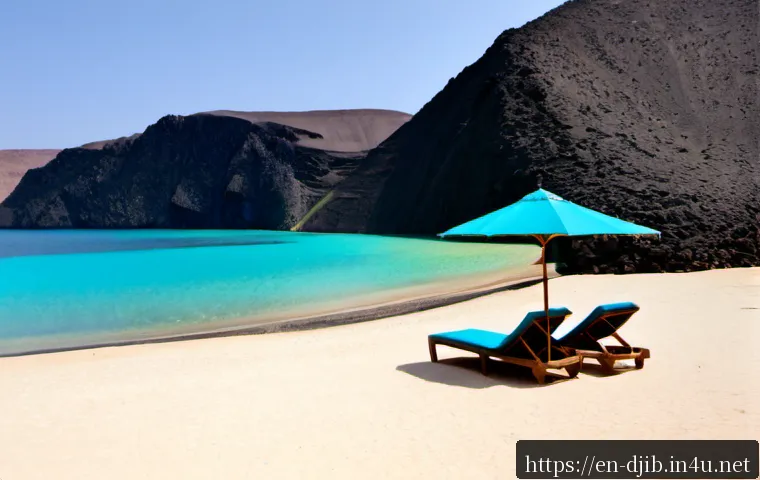
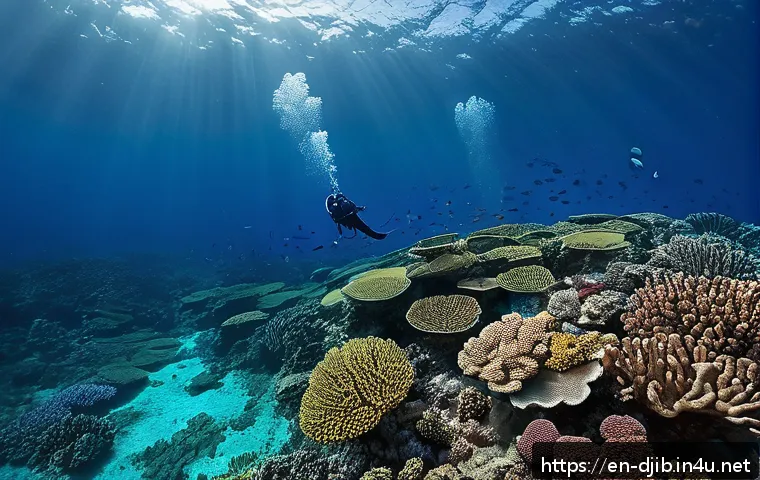
Djibouti generally has a hot, arid climate, with low and irregular rainfall across much of the country. For travelers, that can make hydration, sun exposure, outdoor timing, and comfortable transport more important than planning around daily rain. It also makes the landscape part of the appeal: volcanic features, salt lakes, dry plains, and coastal environments create a visual contrast with the rainforest image many people expect from tropical regions.
Do not assume every part of Djibouti will feel the same. Exact temperature, wind, humidity, and local conditions can vary by town and travel date. Check current forecasts and operator guidance before building a day around hiking, coastal activities, diving, or long road travel.
Common Climate Patterns Near the Equator
Many places close to the Equator receive more regular rainfall than Djibouti. This is one reason equatorial travel is often associated with green vegetation, rivers, rainforest environments, and humid conditions. However, it is not a rule that applies evenly across every destination.
For example, an equatorial itinerary may include rainforest, a river system, a coast, or elevated terrain. Each setting can affect what travelers need from accommodation, transport, and guided tours. A rainforest-focused trip may benefit from lodging that supports wet-weather comfort, while a highland-based itinerary may require planning for a different outdoor feel than a nearby lowland area.
Why Rainforests, Highlands, Coasts, and Dry Zones Can Exist at Similar Latitudes
Altitude, ocean currents, forests, and seasonal winds can create major local differences even at similar latitudes. Higher ground may feel different from lowland forest. A coast can have different conditions from inland areas. A dry zone may sit relatively close to a wetter one.
This is why a country-level comparison should be treated as an introduction, not a final booking decision. Before choosing flights, hotels, regional tours, or local transport, compare the actual places you plan to visit. A capital city, a remote lake, a coastal town, and a wildlife area may all require different expectations.
Travel Value Comparison: Weather, Comfort, and Trip Costs
Heat and Humidity Planning
Djibouti may suit travelers who prefer dry landscapes and bright, hot conditions, provided they are prepared for sun and heat. Equatorial destinations may suit travelers looking for lush vegetation, river environments, forest experiences, or highland scenery, but comfort planning can involve rain and humidity as well.
Neither style is automatically easier. Dry heat can make long outdoor days demanding, while humid and wet conditions can affect clothing, walking routes, equipment, and activity timing. In both cases, pack according to the specific itinerary rather than relying on a general idea of “tropical weather.”
Accommodation, Guided-Tour, and Transport Considerations
Travel value is more than the room rate or airfare. A well-located accommodation option can reduce exposure to difficult weather and make early departures easier. In Djibouti, travelers may prioritize lodging with practical access to planned coastal, volcanic, or salt-lake routes. In an equatorial rainforest or river region, the priorities may include wet-weather convenience, dependable local transfers, or support for activity scheduling.
Guided tours can be worth comparing when a route depends on local access, timing, terrain knowledge, or coordinated transport. This is not a guarantee of a better trip, but it can help travelers assess what is included and what they would need to arrange independently. Compare pickup details, activity conditions, transport arrangements, and cancellation terms before choosing.
When Travel Insurance and Flexible Bookings Matter More
Weather is only one reason to read booking conditions closely. Remote activities, multi-step transport, changing local conditions, and limited flexibility can all increase the value of reviewing travel insurance coverage and flexible accommodation or transport terms. The right coverage depends on the traveler, itinerary, and policy details.
Do not assume a policy covers every activity, delay, route, or medical situation. Review the policy wording, exclusions, activity coverage, and assistance process. Likewise, check current entry, health, security, and transport guidance rather than using a geography comparison as a substitute for live travel information.
Practical Planning Mistakes to Avoid
Assuming “Near the Equator” Means Constant Rain
Equatorial regions are often wetter than Djibouti, but near the Equator does not mean identical weather everywhere. A destination can include wet forest, cooler highlands, coastal conditions, or relatively dry areas. Plan around the specific region and season instead of a single climate stereotype.
Packing for Temperature but Overlooking Sun, Dust, Rain, or Mosquitoes

A traveler headed to Djibouti may focus on heat but overlook sun exposure, dry conditions, and dust. A traveler heading to an equatorial destination may think only about warmth and overlook rain, humidity, wet trails, or mosquitoes. The better approach is simple: match clothing, footwear, bags, and day plans to the activities and local conditions you expect.
For both destination types, confirm what operators provide and what guests need to bring. This is especially useful for diving, boating, long drives, hiking, rainforest visits, and other outdoor experiences.
Comparing Countries Without Checking Regional and Seasonal Variation
“Djibouti versus an equatorial country” is a helpful geography question, but it is too broad for final travel decisions. A country may contain several climates and landscapes. Exact rainfall, humidity, transport reliability, and lodging availability must be checked for the exact town and date.
Use broad comparisons to choose a travel style first. Then compare practical details: the route, nights needed, transportation between stops, accommodation standards, tour logistics, and current requirements.
Which Type of Destination Fits Your Trip?
Choose Djibouti for Dry Landscapes, Salt Lakes, Diving, and Volcanic Scenery
Djibouti may be the stronger match if your ideal trip centers on dry volcanic-coast scenery, salt lakes, coastal experiences, diving, and open arid landscapes. The planning question is not simply whether you like warm weather. Ask whether you are comfortable organizing a trip around heat, sun, dry terrain, and the logistics of reaching the places you want to see.
Compare accommodation location, local transport options, and the structure of guided excursions. A trip can feel more manageable when daily travel time and outdoor exposure are considered before booking.
Choose an Equatorial Destination for Rainforest, River, Wildlife, or Highland Experiences
An equatorial destination may be a better fit if you want rainforest settings, river travel, wildlife-oriented activities, dense green landscapes, or highland experiences. The destination itself matters more than the label “equatorial,” because countries crossed by the Equator can offer very different environments.
Look beyond photographs. Check the likely local conditions, the activity level required, the need for guided access, and whether your preferred accommodation supports the kind of trip you want. A forest-based route and a highland route may create very different packing and transport needs.
Matching Trip Length, Budget, and Comfort Expectations
Trip length, total budget, and comfort expectations should guide the final choice. A shorter trip may benefit from simpler routing and fewer transfers. A longer itinerary may allow time to combine coast, inland scenery, or multiple landscapes. Costs can vary substantially with flights, hotels, tours, visas, insurance, and local transport, so avoid assuming one region is automatically cheaper.
Before paying for a package or separate bookings, compare what is included. A low initial price may not reflect transfer needs, activity access, luggage limits, flexibility, or insurance requirements.
Selection Criteria and Comparison Summary
Use these final checks before deciding between a dry volcanic-coast trip and a humid equatorial rainforest trip:
- Climate tolerance: Would you rather manage dry heat and sun, or rain and humidity?
- Landscape preference: Are salt lakes, volcanic terrain, and coastlines more appealing than forests, rivers, or highlands?
- Activity style: Compare the practical needs of diving, coastal outings, hiking, wildlife experiences, or rainforest excursions.
- Logistics: Review the transport links, local transfers, tour access, and time needed between stops.
- Total trip budget: Compare flights, lodging, guided tours, local transport, and travel insurance as one itinerary.
- Flexibility: Check cancellation terms and current conditions before committing to non-flexible bookings.
When you are ready to compare options, review the detailed conditions on the relevant tour, accommodation, transport, and insurance pages rather than choosing from climate labels alone.
Final Thoughts
Djibouti and equatorial countries can both offer tropical travel experiences, but they should not be treated as climate equivalents. Djibouti is north of the Equator and is generally far drier than many equatorial regions. The most useful choice is based on the landscape and conditions you want to experience. Start with geography, then verify the current details for your exact route and travel dates.
Useful Things to Know
1. Daylight: Both Djibouti and equatorial locations generally have relatively little annual variation in day length compared with higher-latitude countries.
2. “Tropical” is broad: It can describe dry, coastal, forested, or elevated places.
3. Regional detail matters: A country can contain multiple weather patterns and very different travel experiences.
4. Current checks matter: Confirm entry, transport, health, security, and weather information close to departure.
Important Notes
This comparison explains broad geographic and climate patterns, not exact conditions for a particular town or date. Rainfall, temperature, humidity, transport availability, accommodation prices, visa requirements, tour operations, and insurance coverage can change. Check current official guidance and the specific terms of any booking or policy before making travel decisions.
Frequently Asked Questions
Q1. Is Djibouti on the Equator?
A1. No. Djibouti is located in the Horn of Africa, roughly 11–13 degrees north of the Equator. It is tropical by latitude, but it is not an equatorial country.
Q2. Why is Djibouti much drier than many countries near the Equator?
A2. Djibouti generally has a hot, arid climate with low and irregular rainfall in much of the country. Climate is shaped by more than latitude, including ocean influence, altitude, forests, and seasonal winds. Many equatorial areas receive more regular rainfall, but conditions still vary locally.
Q3. Is Djibouti or an equatorial country better for a nature-focused trip?
A3. It depends on the type of nature experience you want. Djibouti may suit travelers interested in dry plains, salt lakes, volcanic scenery, coastal areas, and diving. An equatorial destination may suit travelers looking for rainforest, rivers, wildlife, or highland environments. Compare the exact region, season, logistics, and current travel conditions before deciding.